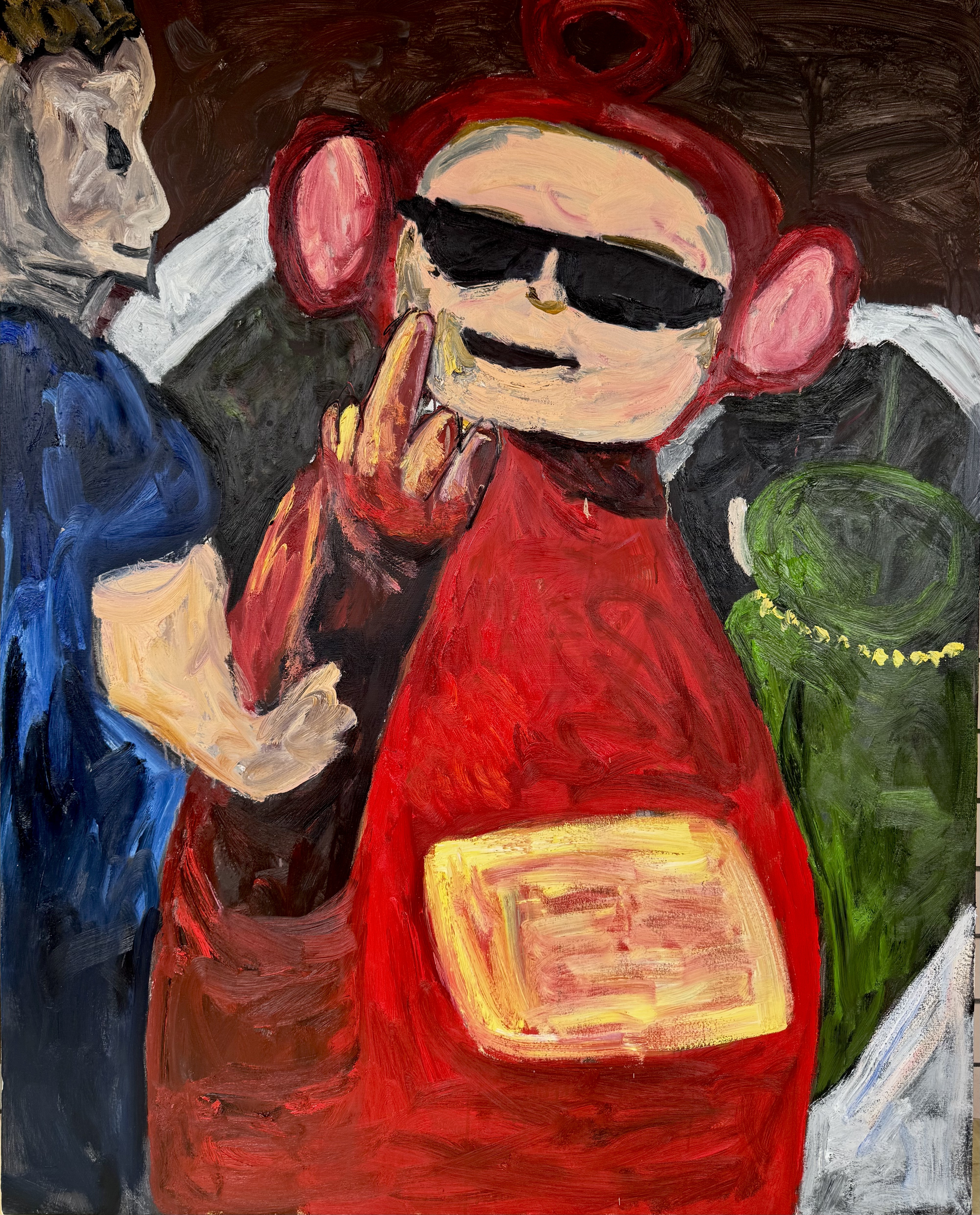
Thug Po
oil on canvas, 150 x 120 cm, 2026
hengzhig@gmail.com
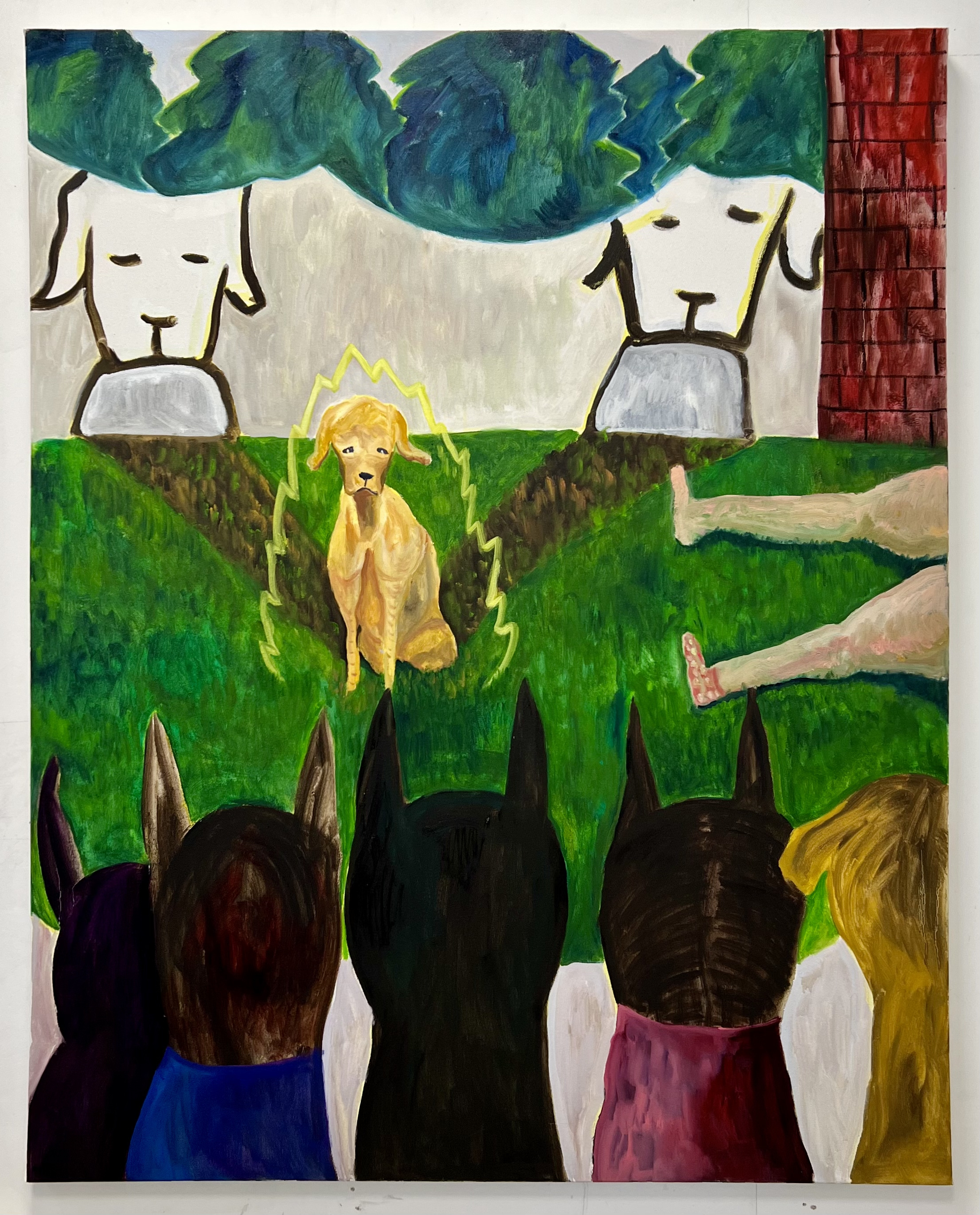
Selected Paintings
oil on canvas, 150 x 120 cm, 2026
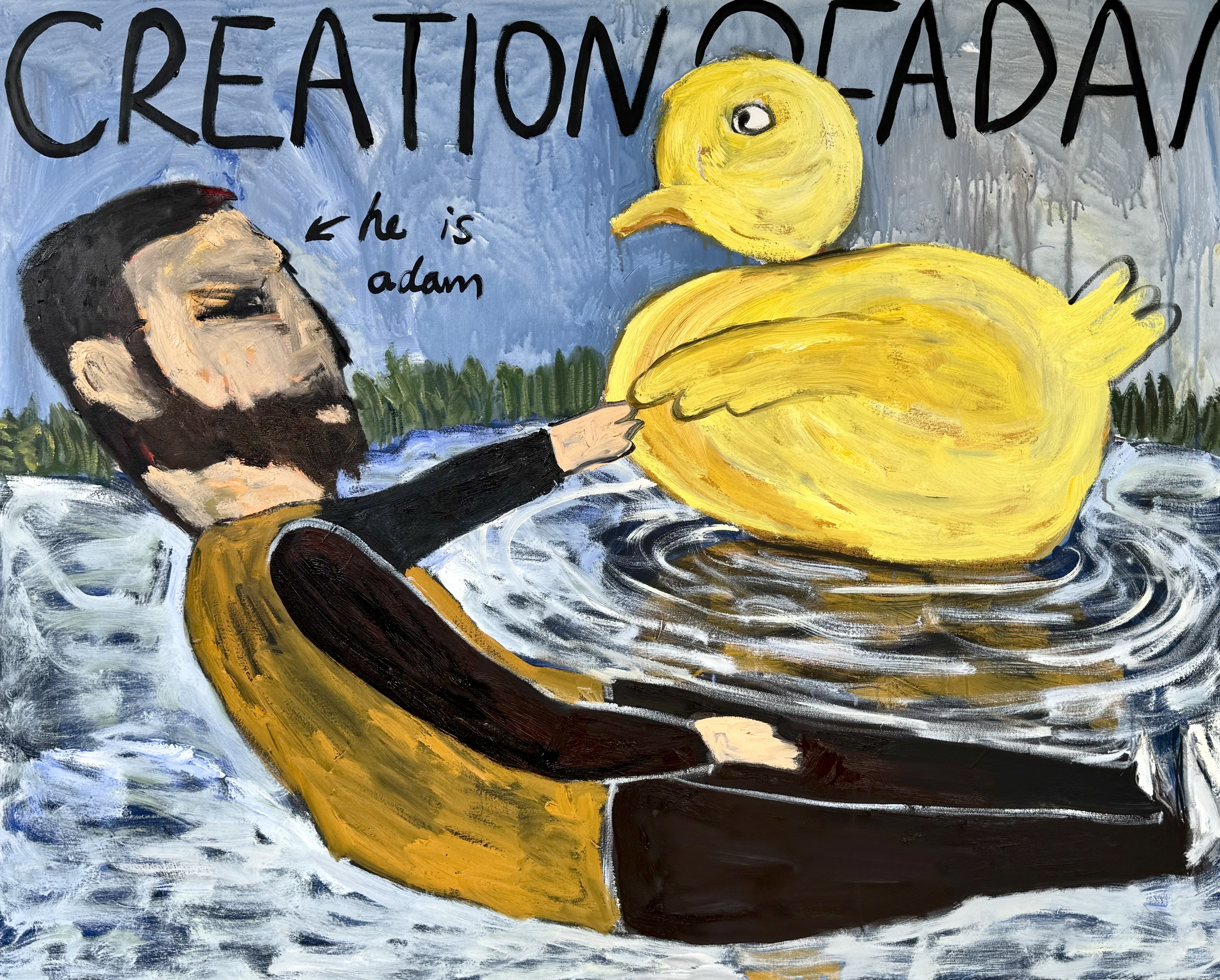
oil on canvas, 120 x 150 cm, 2026
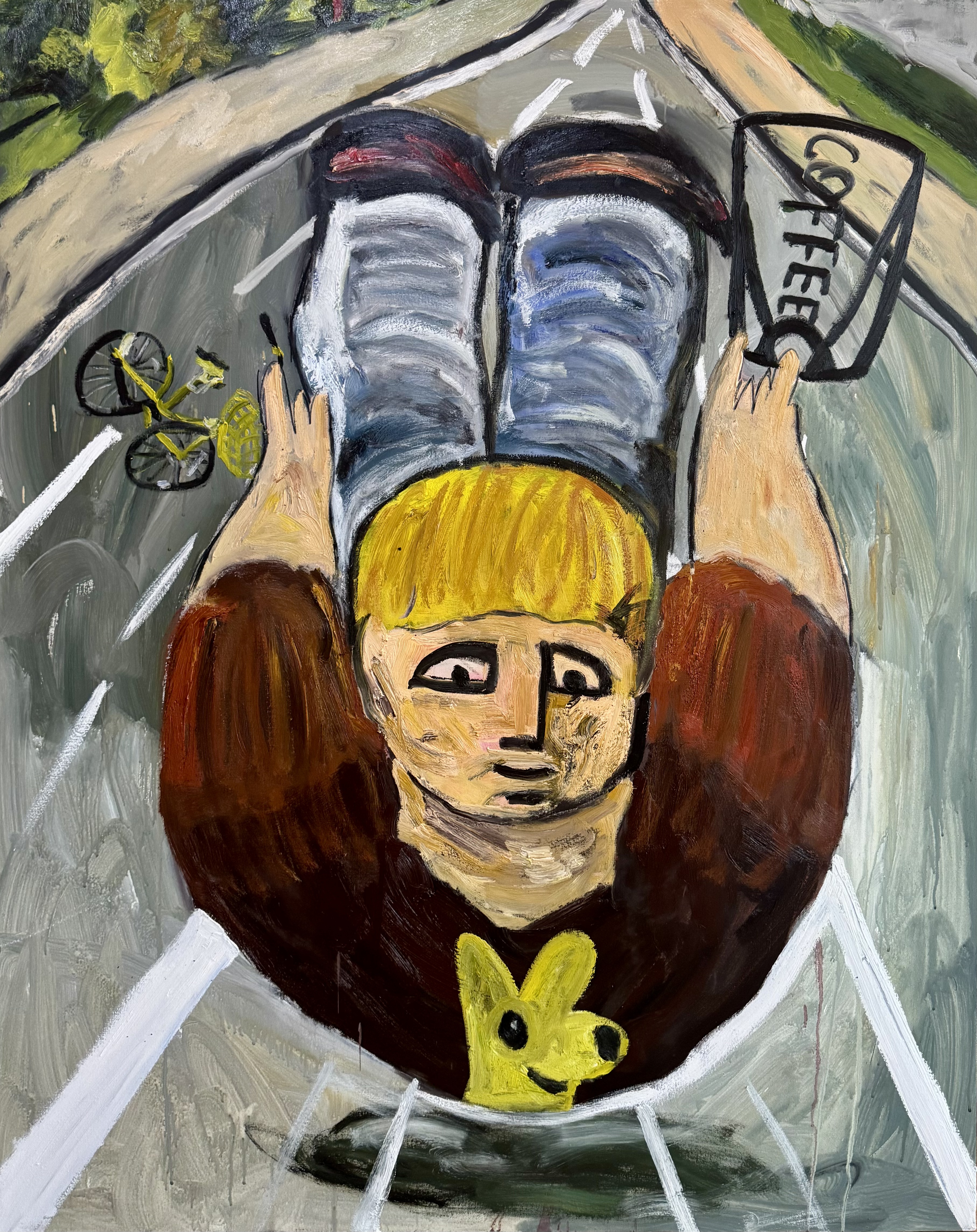
oil on canvas, 150 x 120 cm, 2026
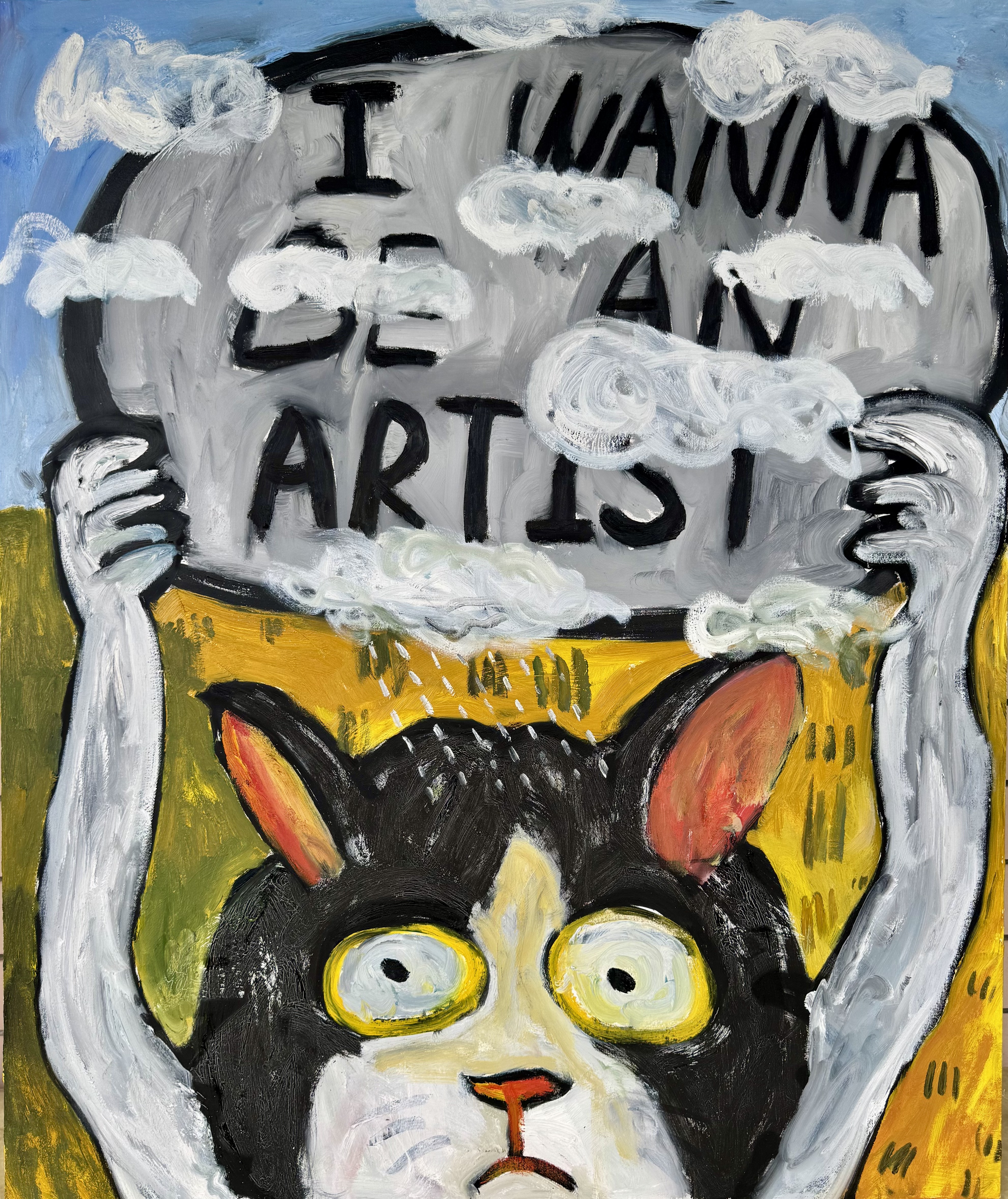
oil on canvas, 120 x 100 cm, 2026
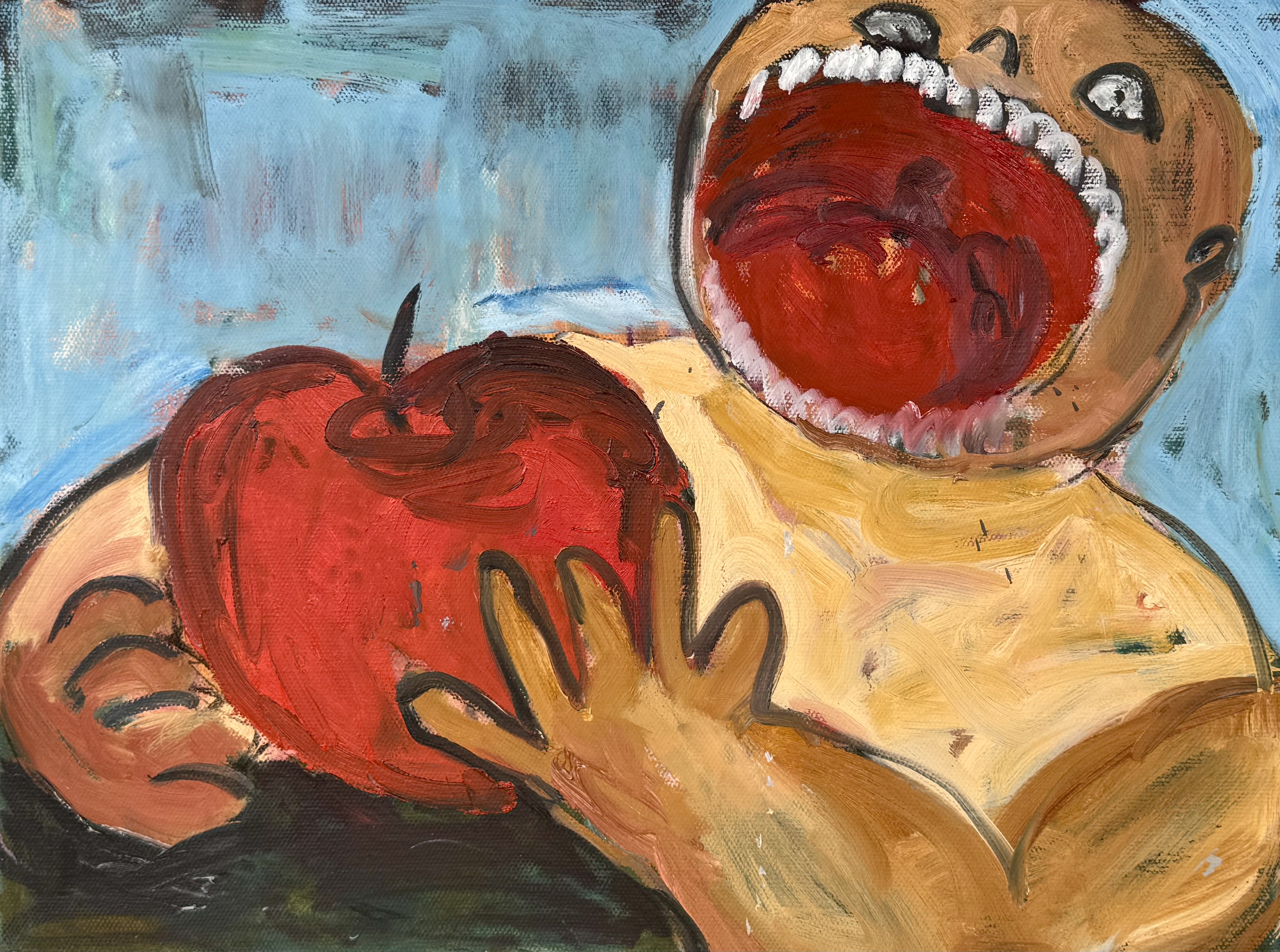
oil on canvas, 80 x 60 cm, 2026
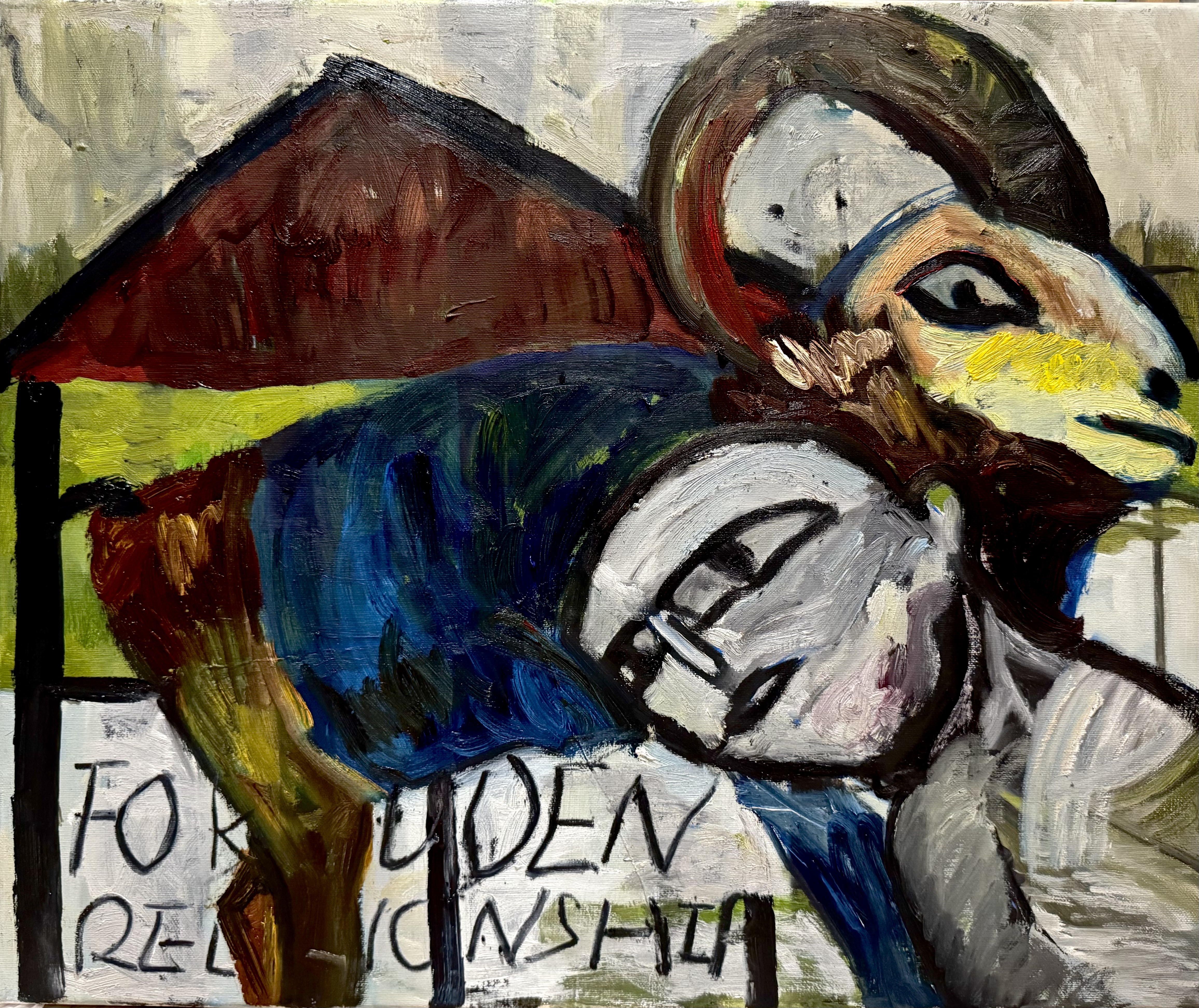
oil and charcoal on canvas, 50 x 60 cm, 2026
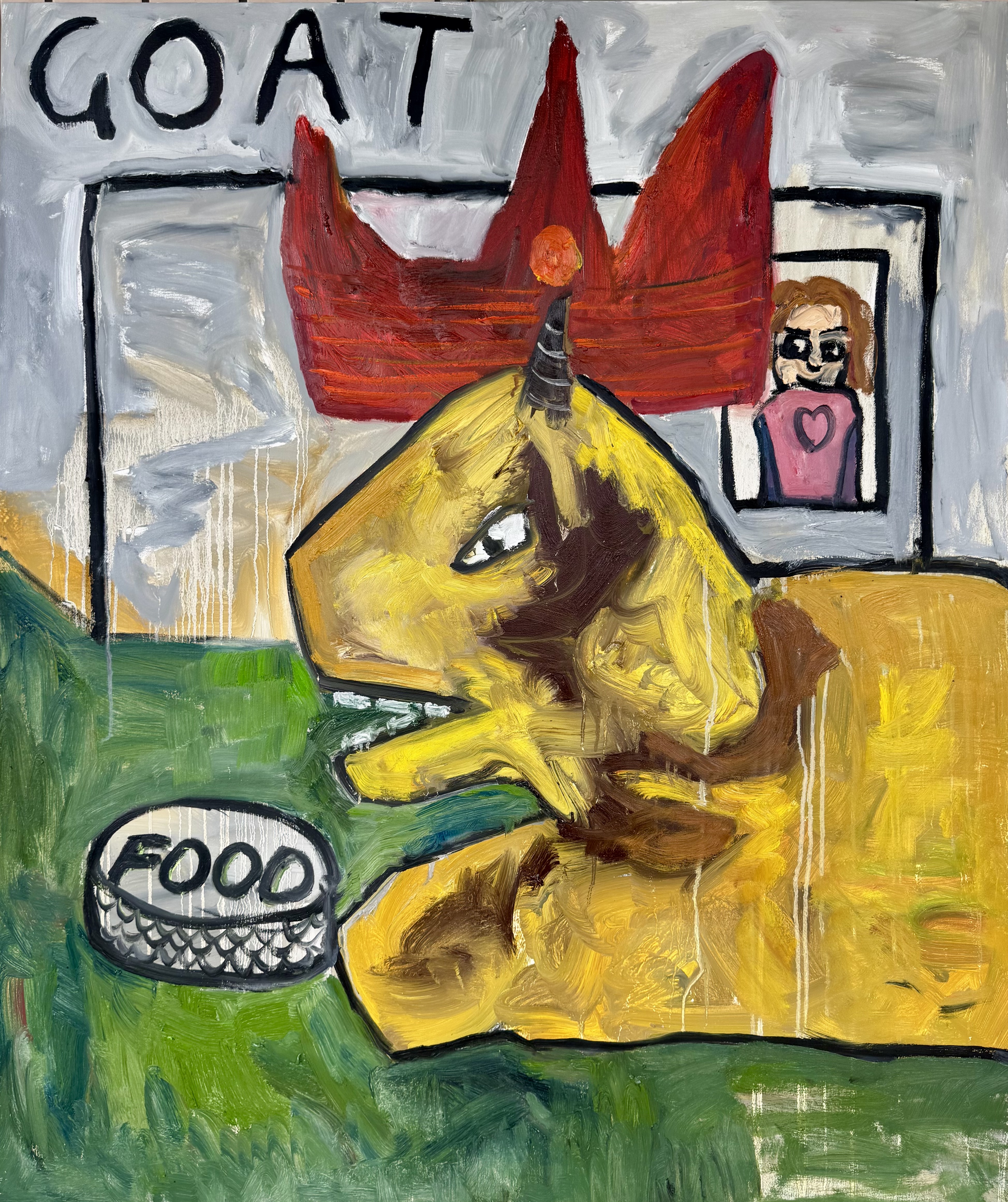
oil on canvas, 120 x 100 cm, 2026
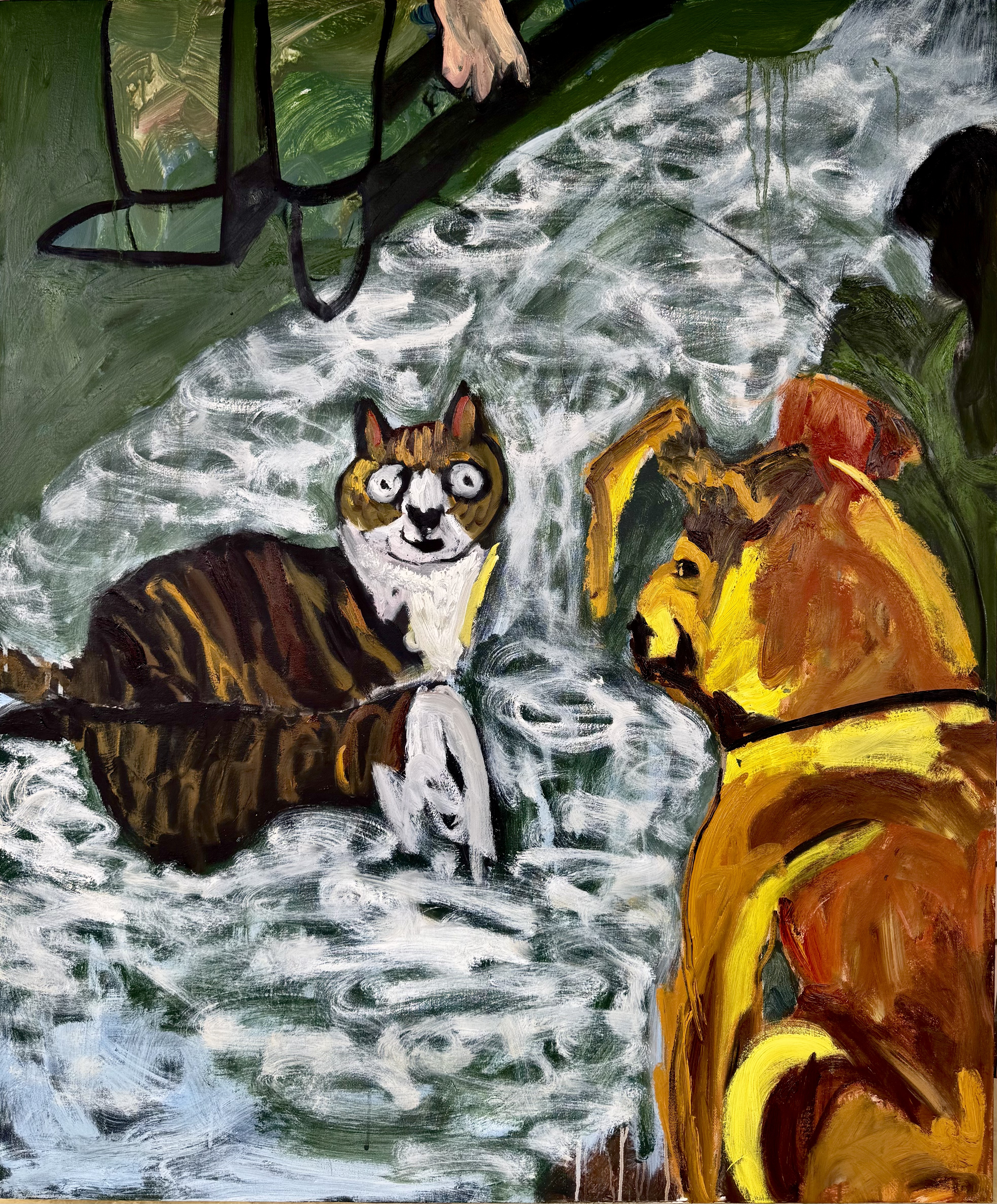
oil on canvas, 120 x 100 cm, 2026
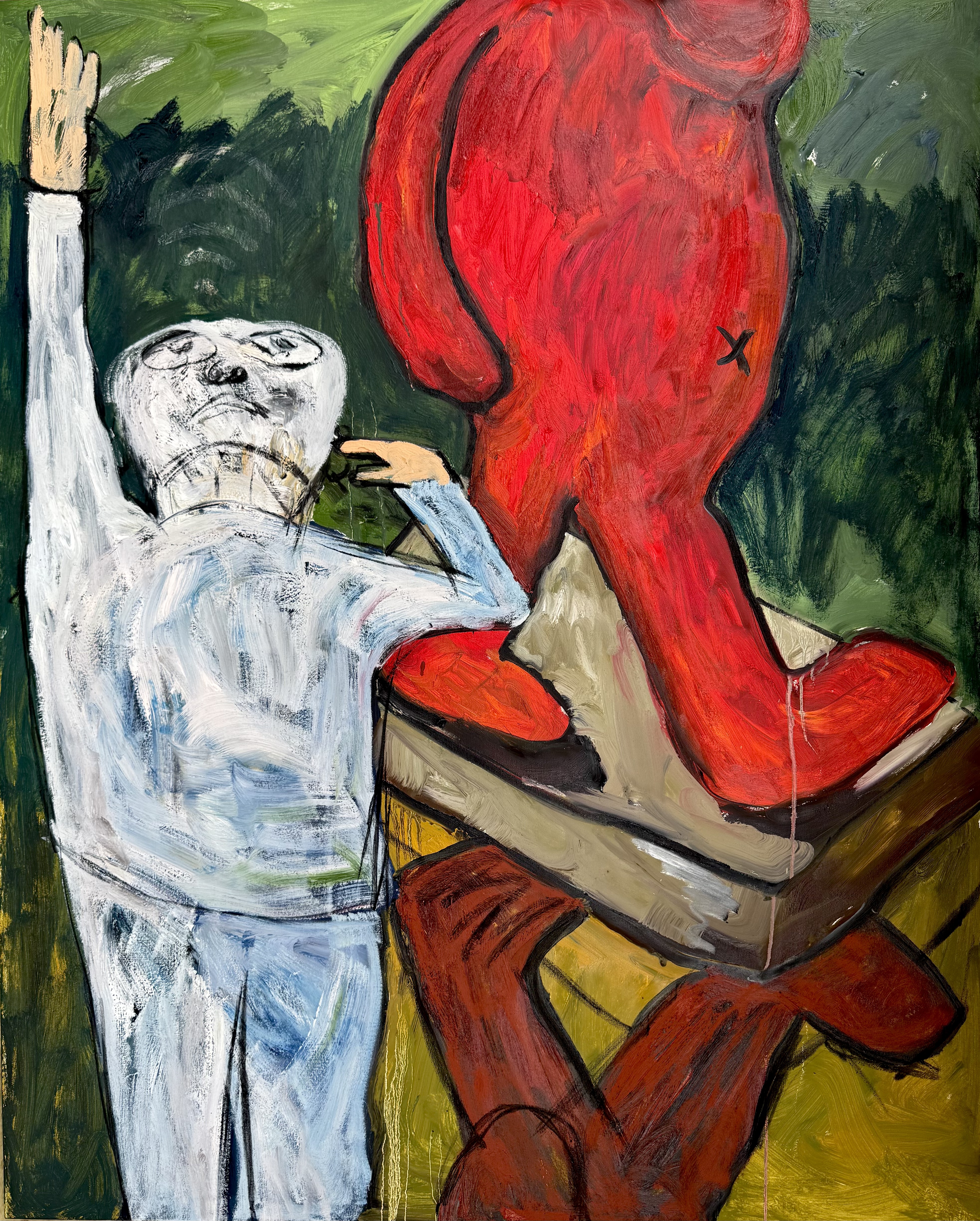
oil on canvas, 150 x 120 cm, 2026
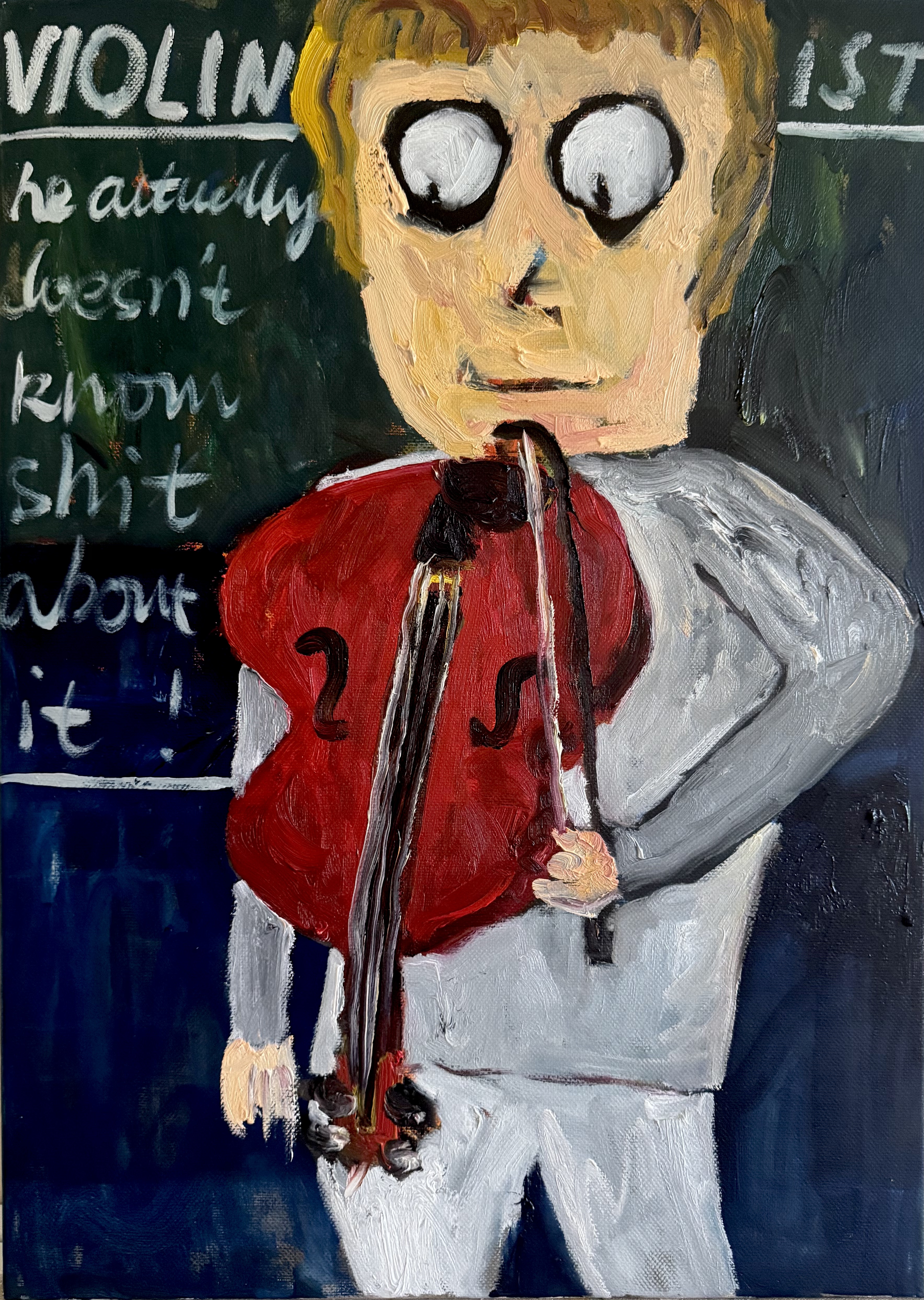
oil on canvas, 70 x 50 cm, 2026
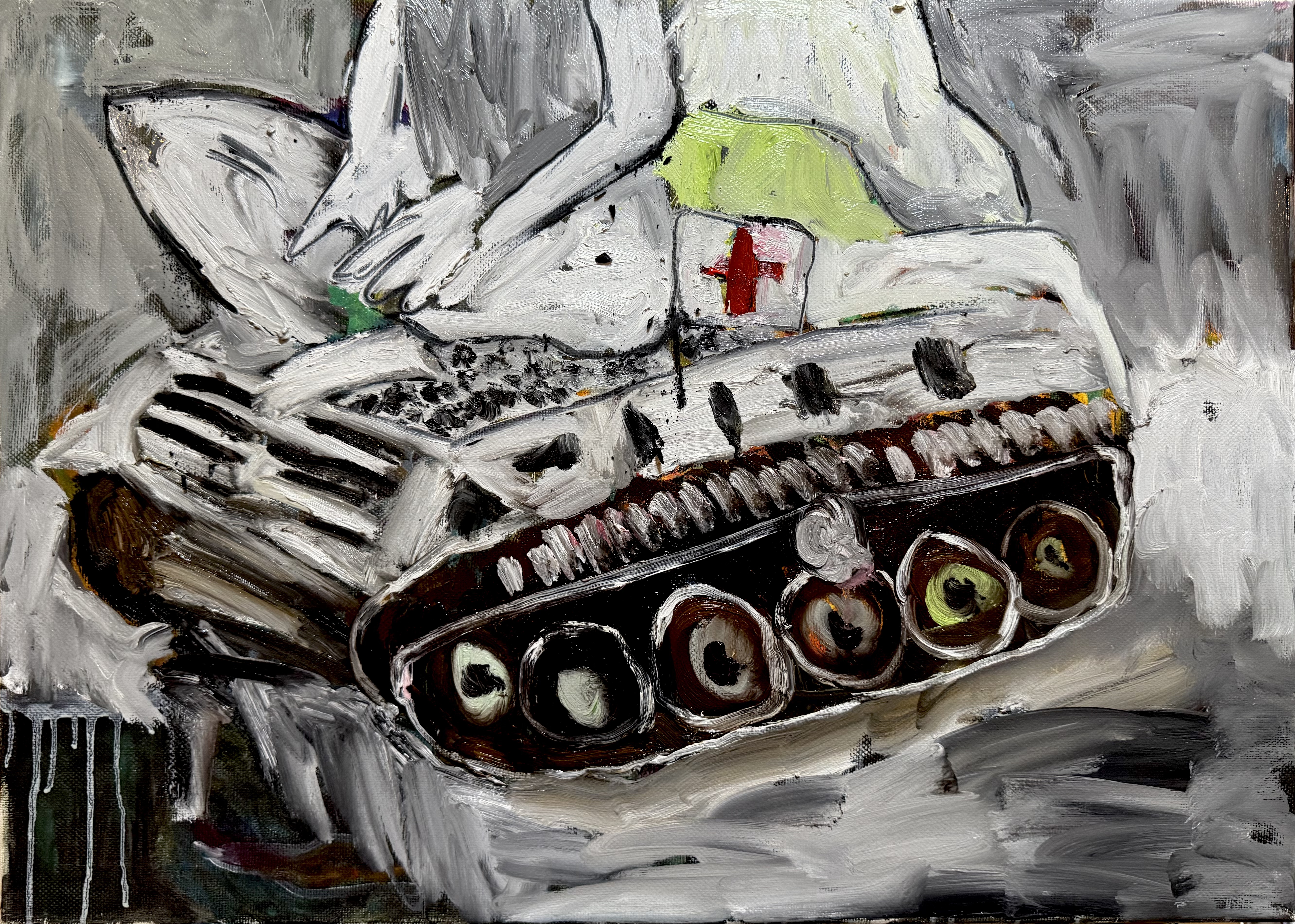
oil on canvas, 70 x 50 cm, 2026
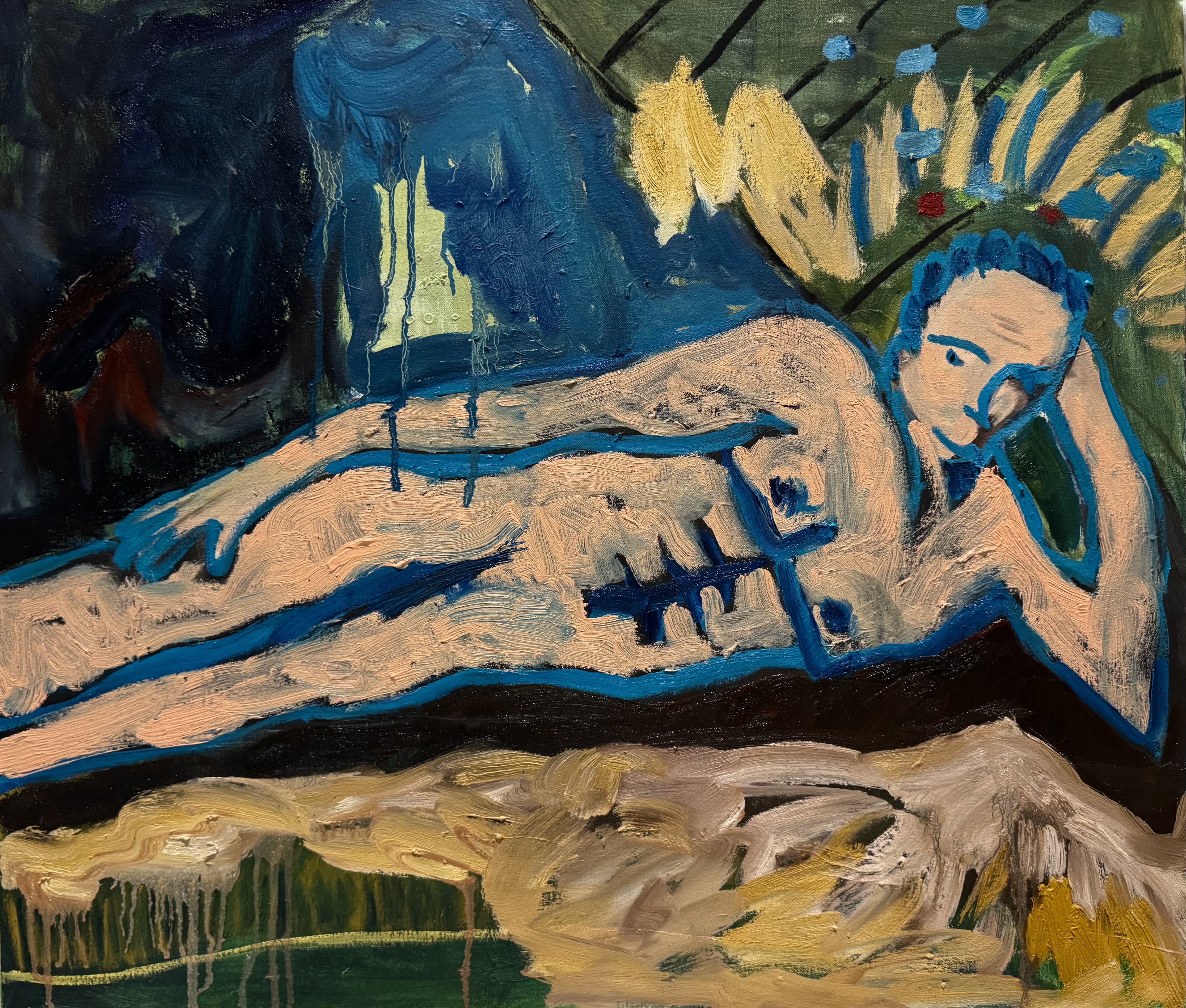
oil on canvas, 60 x 70 cm, 2026
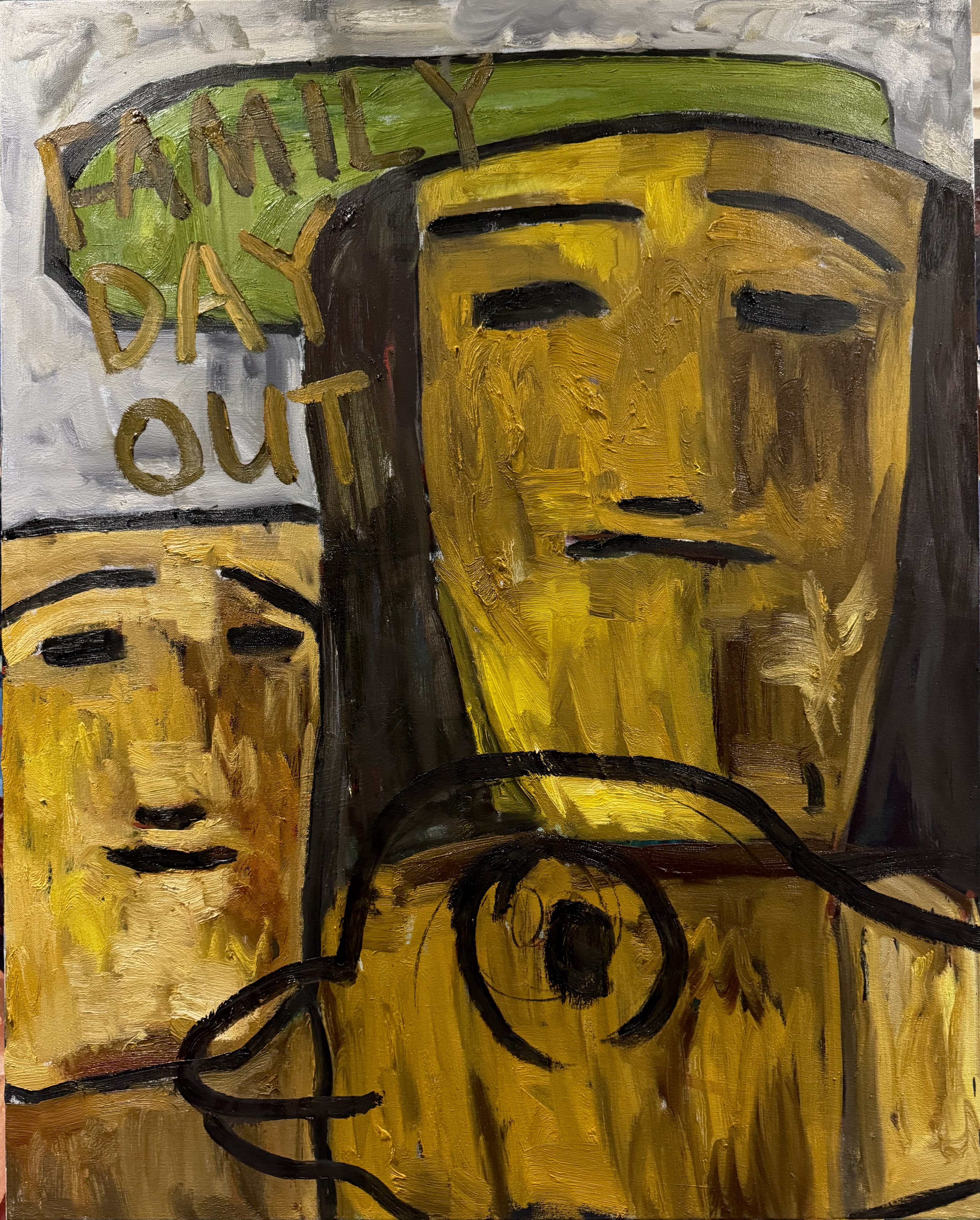
oil on canvas, 100 x 80 cm, 2026
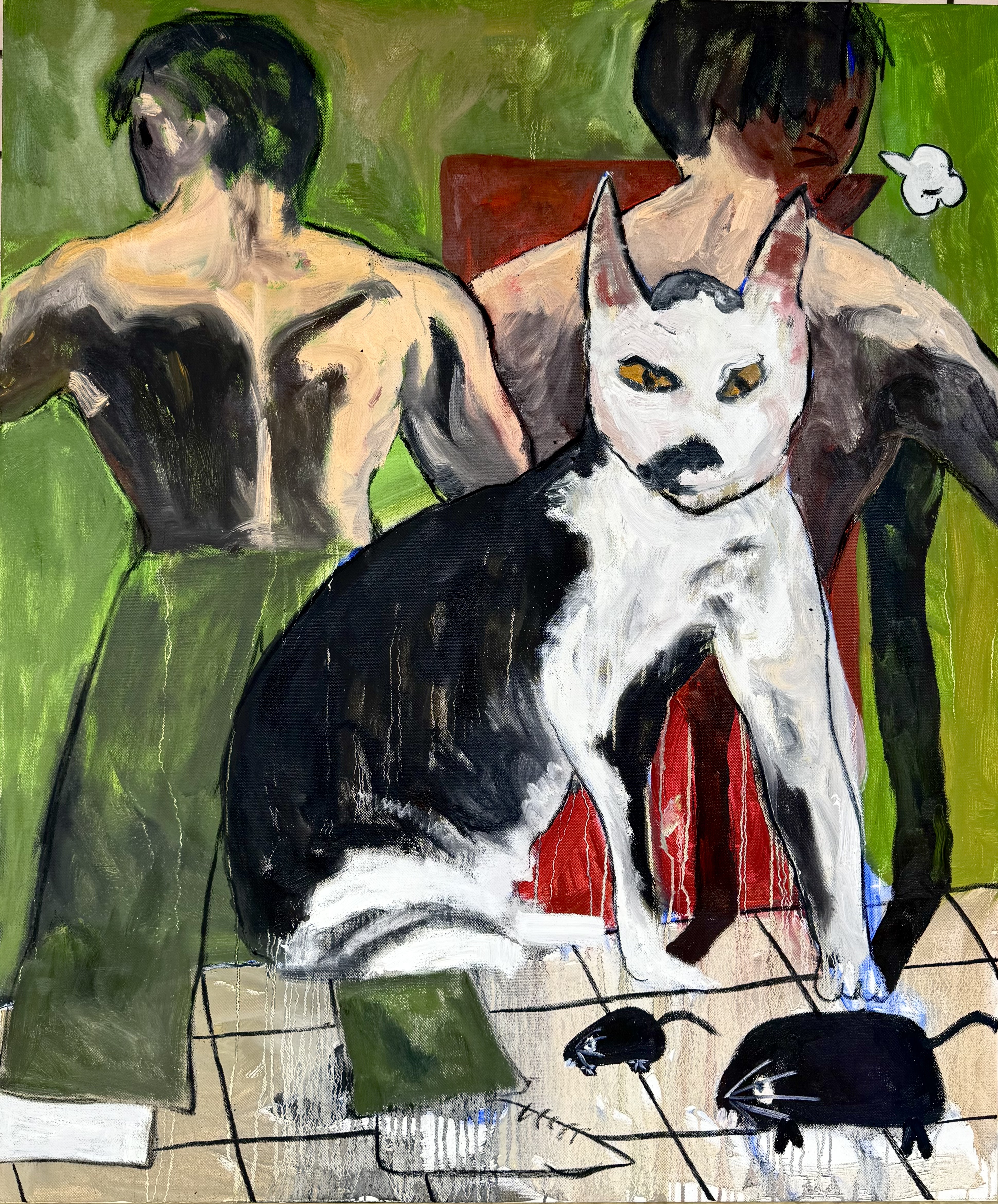
Oil and charcoal on canvas, 120 x 100 cm, 2025
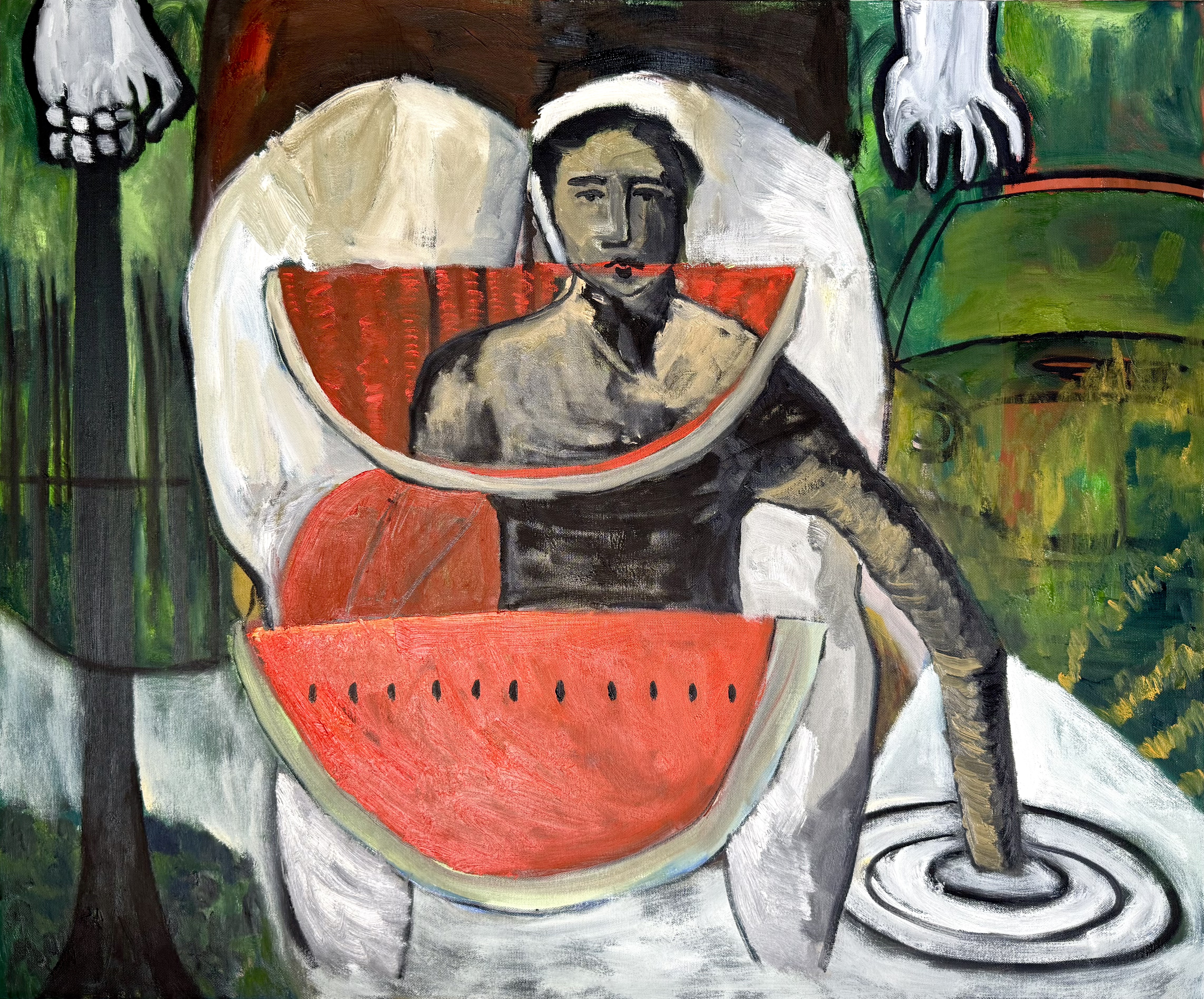
Oil and charcoal on canvas, 100 x 120 cm, 2025
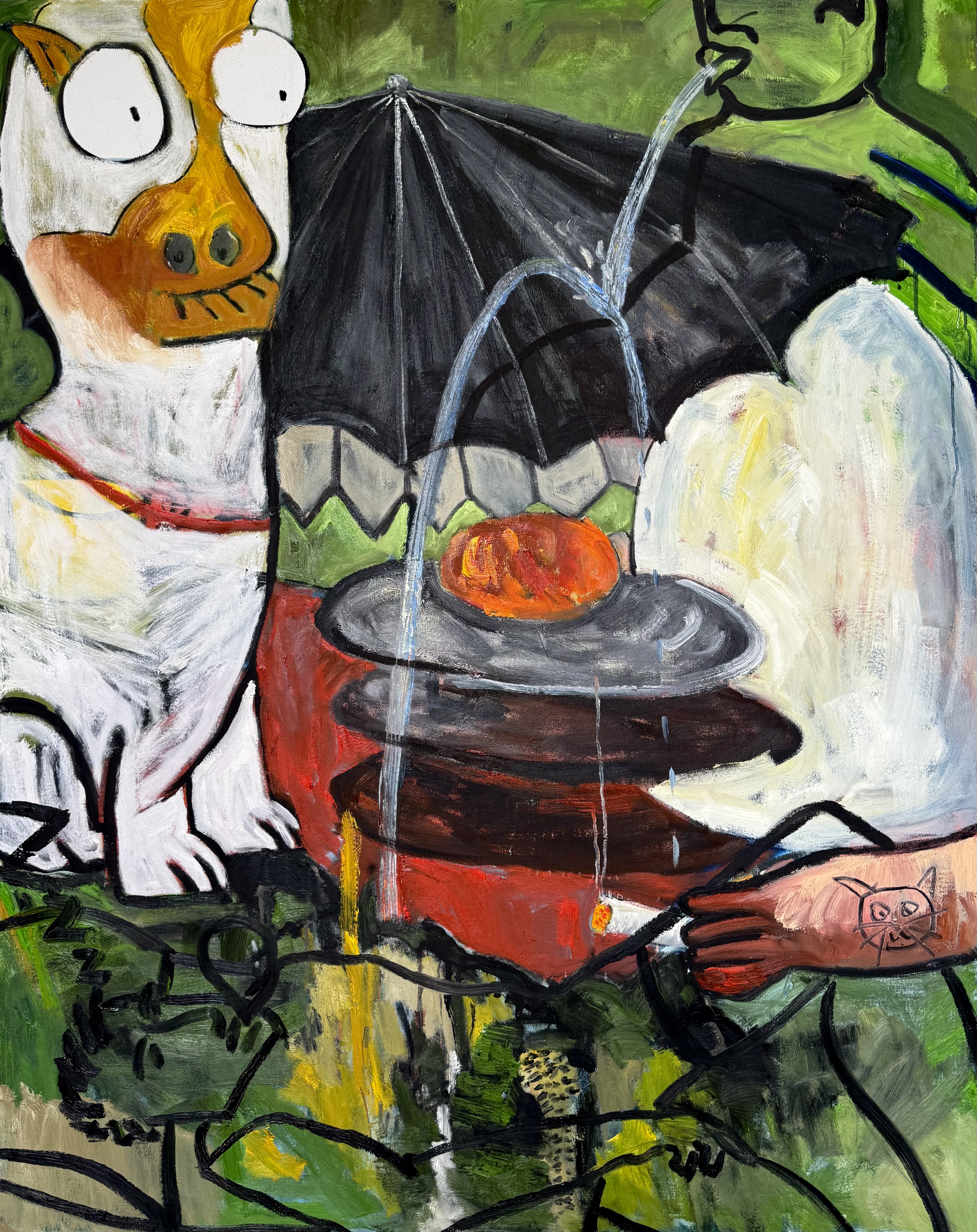
Oil and charcoal on canvas, 150 x 120 cm, 2025
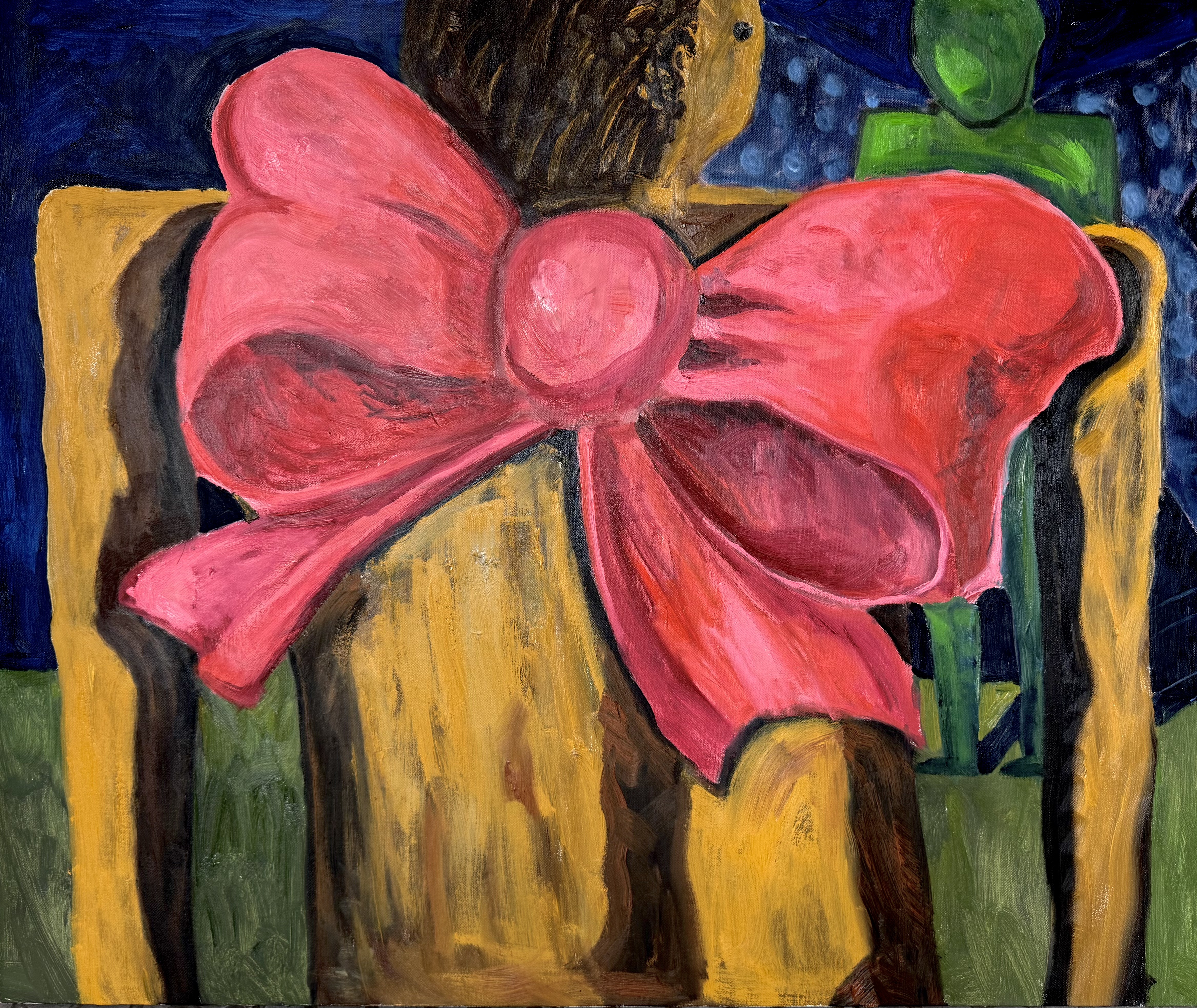
Oil on canvas, 100 x 120 cm, 2025
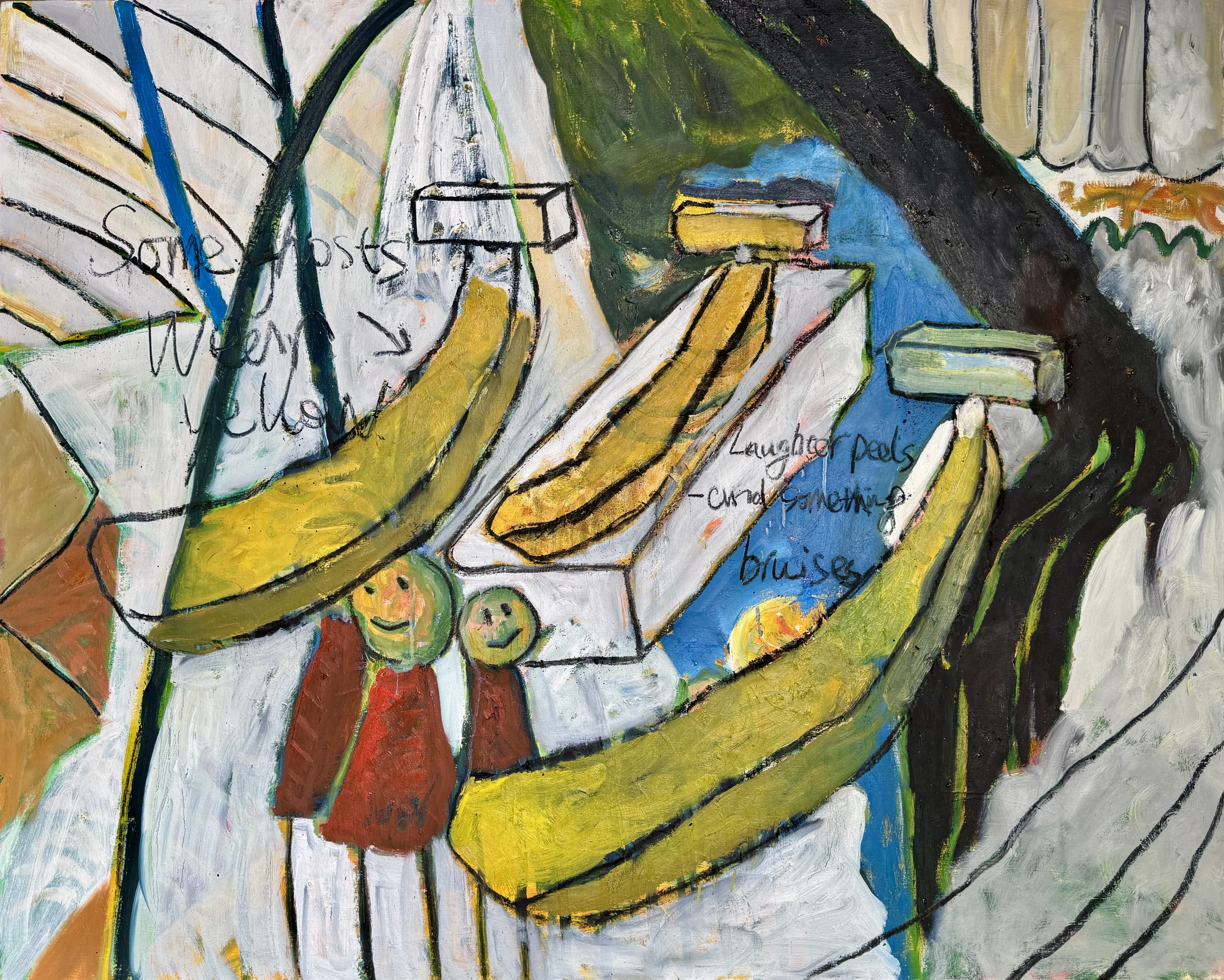
Oil and charcoal on canvas, 120 x 150 cm, 2025
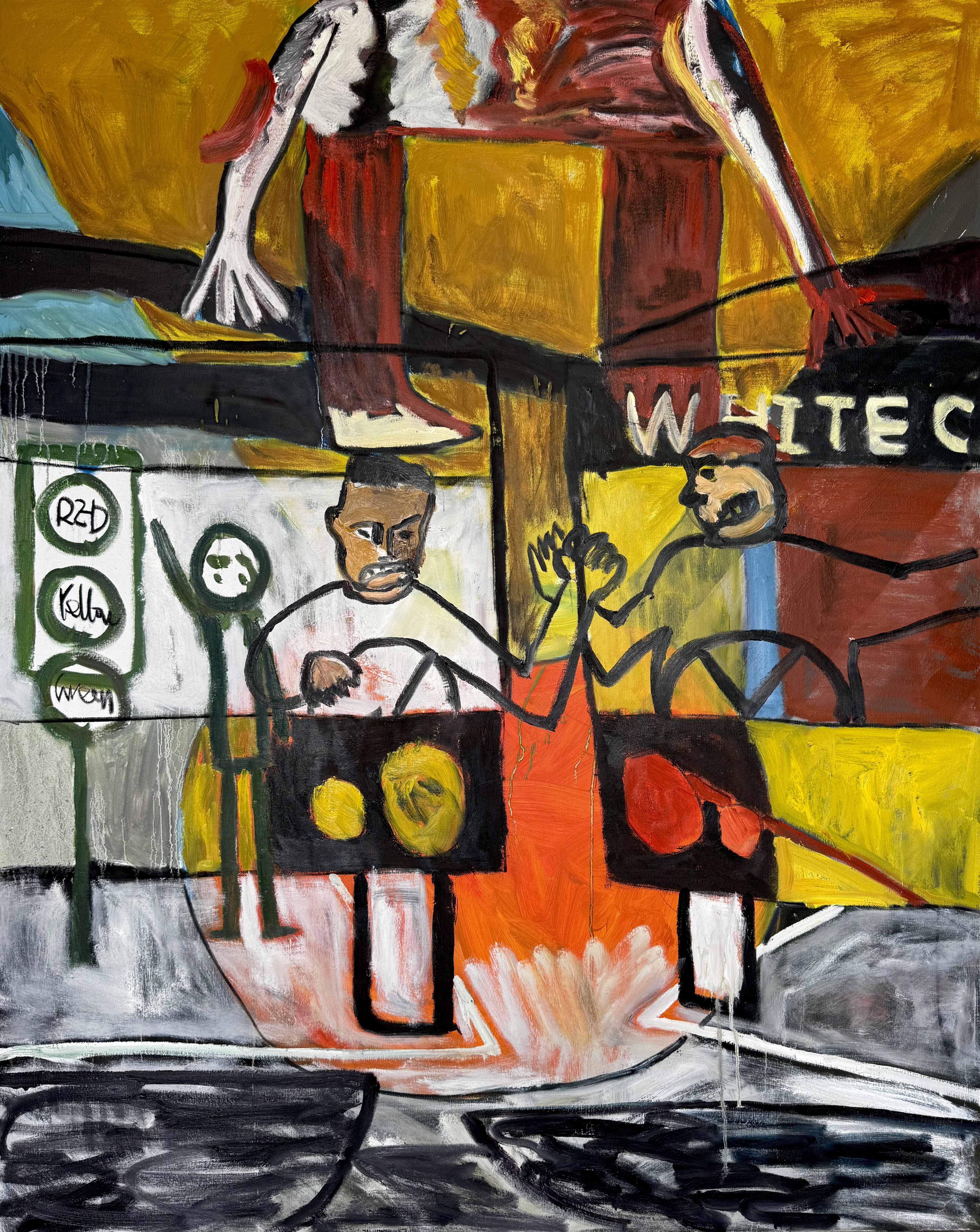
Oil and charcoal on canvas, 150 x 120 cm, 2025
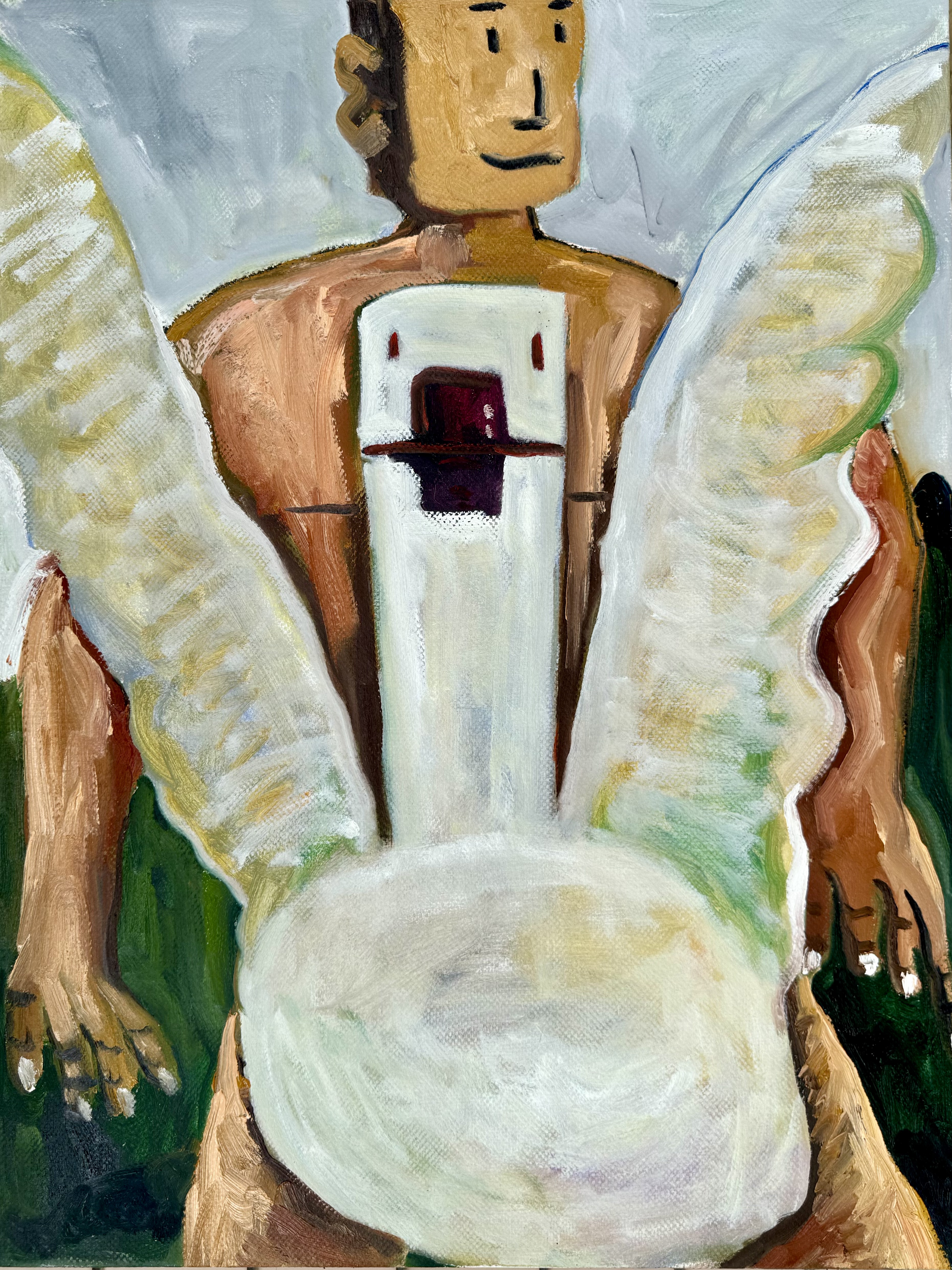
Oil on canvas, 80 x 60 cm, 2025
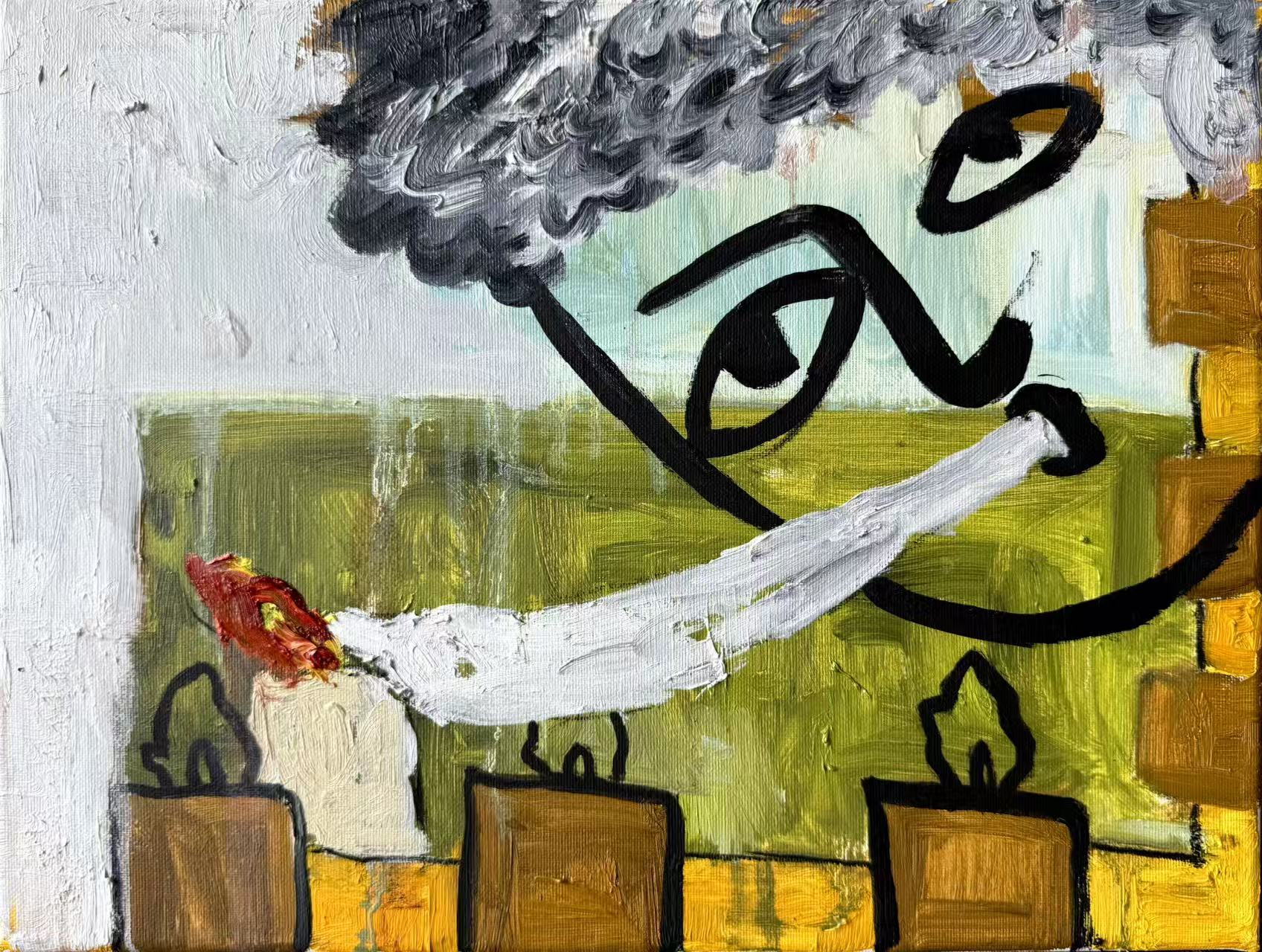
30 x 40 cm, 2025
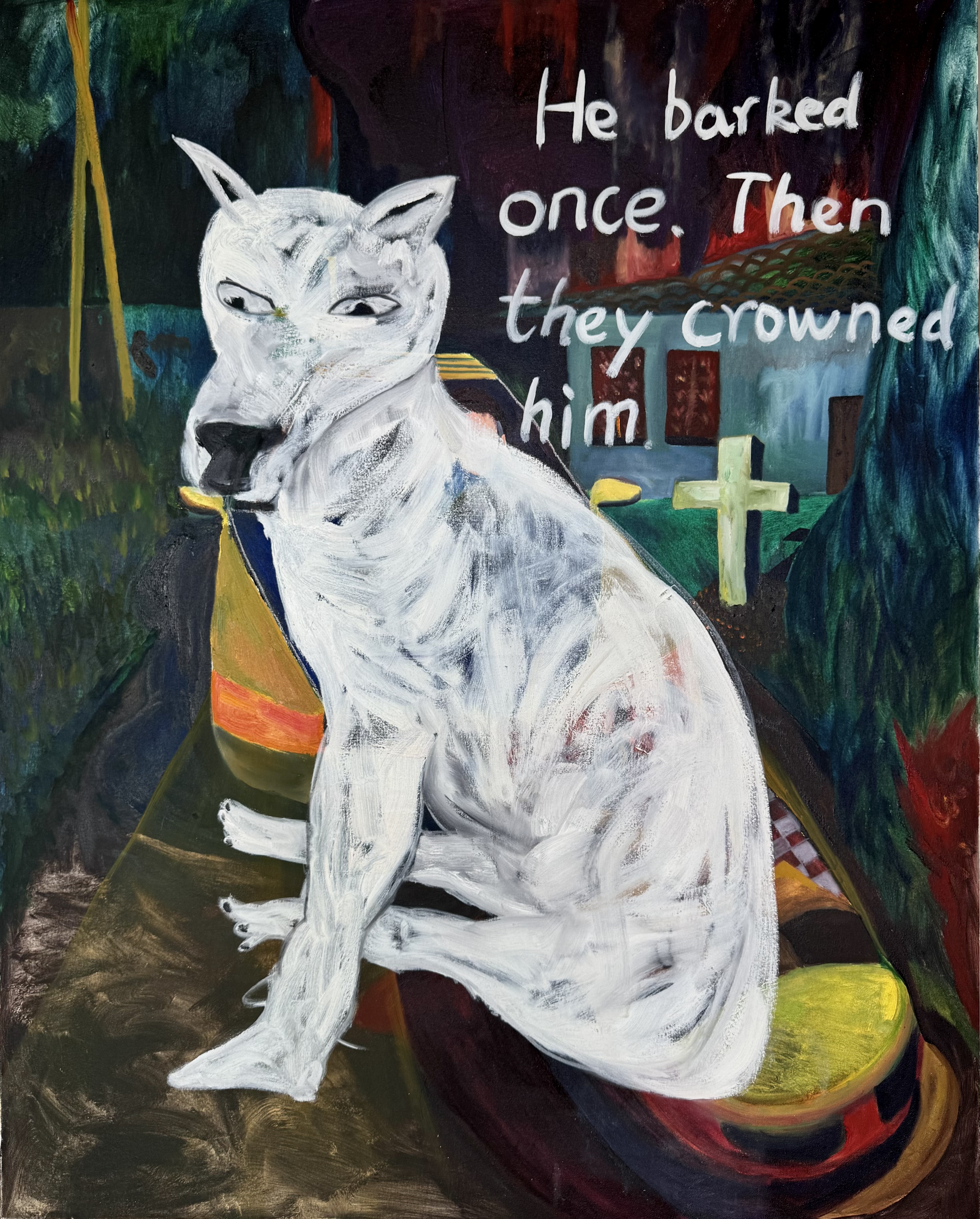
oil on canvas, 150 x 120 cm, 2025
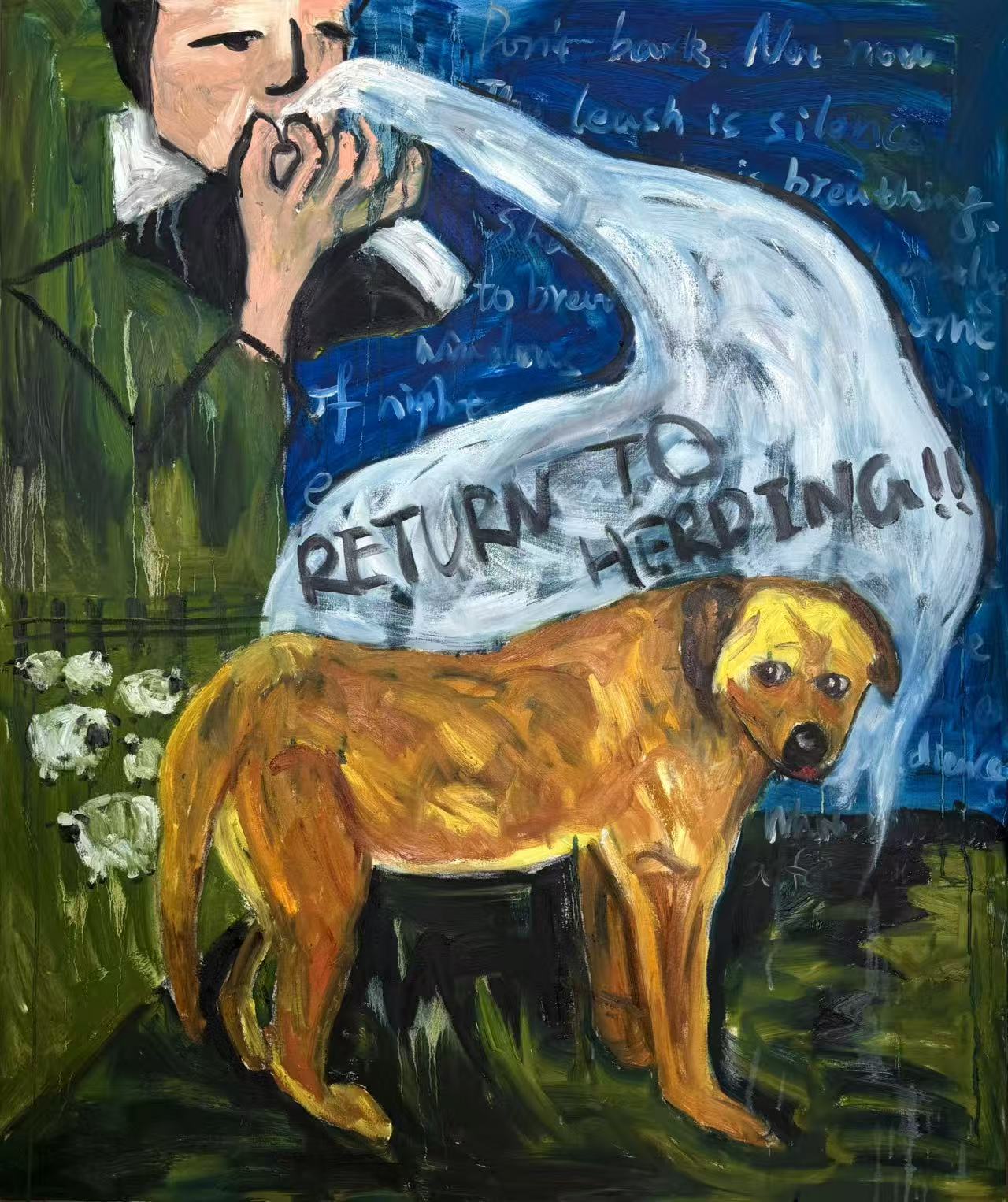
oil on canvas, 120 x 100 cm, 2025
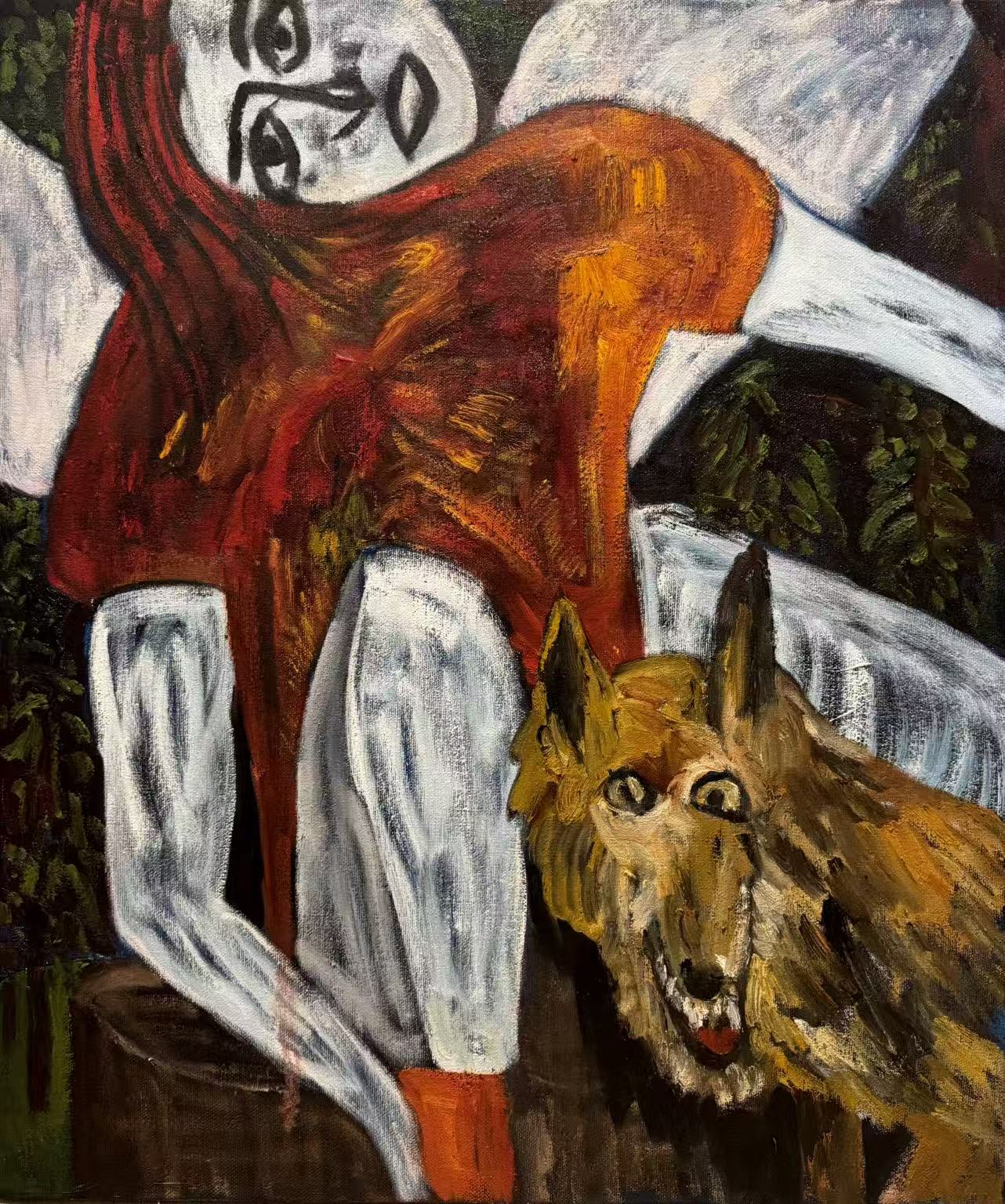
oil on canvas, 91 x 77 cm, 2025
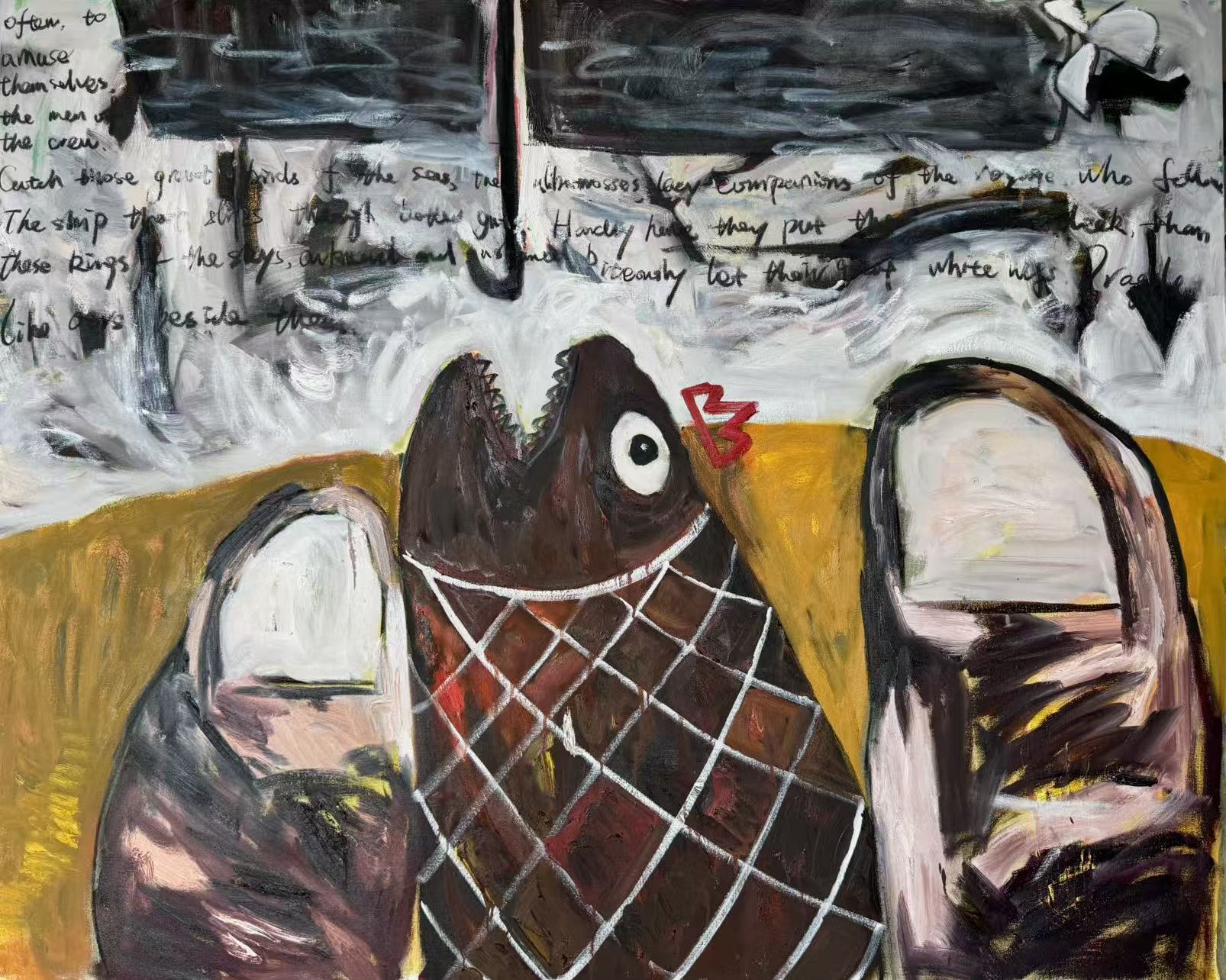
oil and charcoal on canvas, 120 x 150 cm, 2025
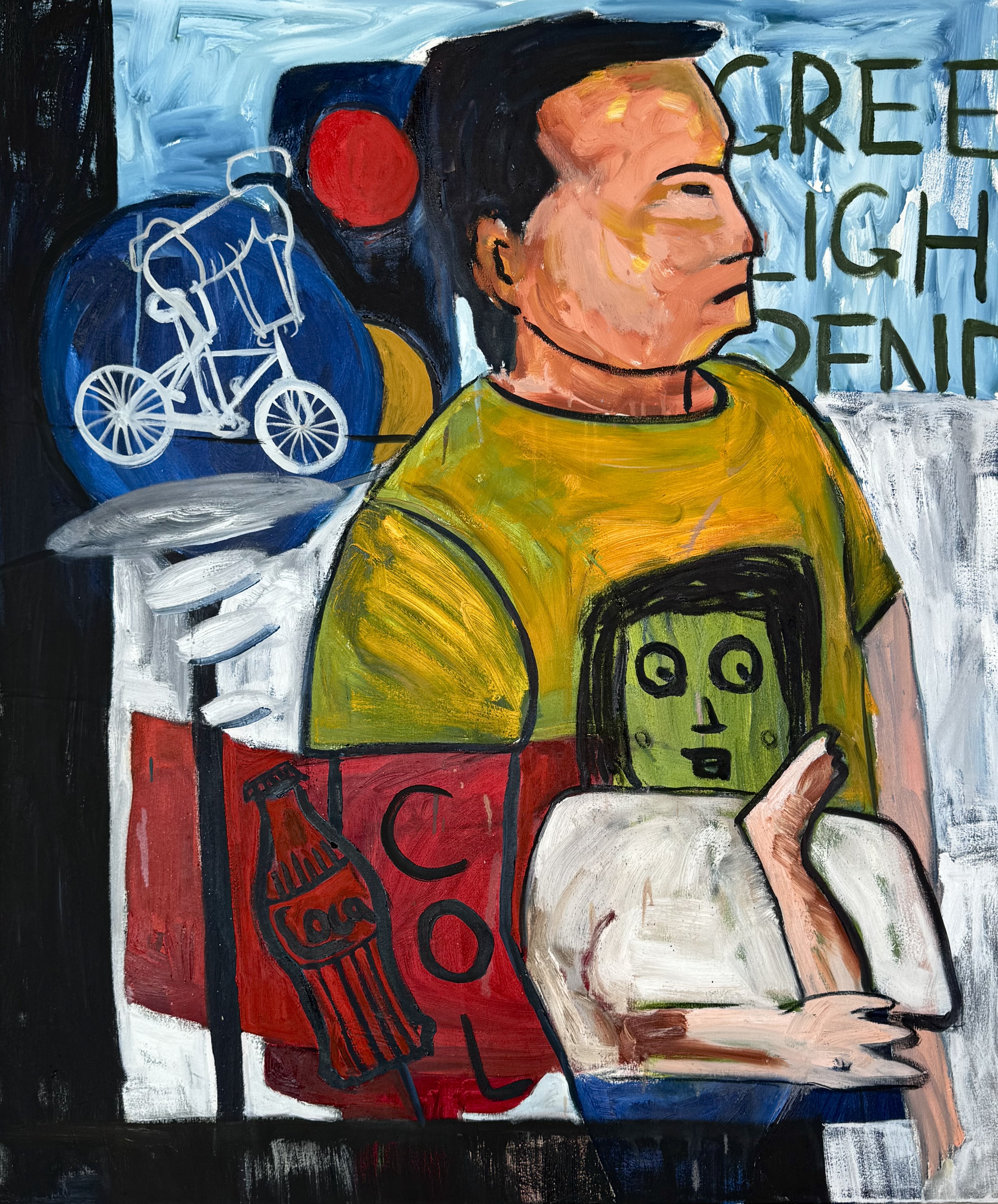
oil and charcoal on canvas, 120 x 100 cm, 2025
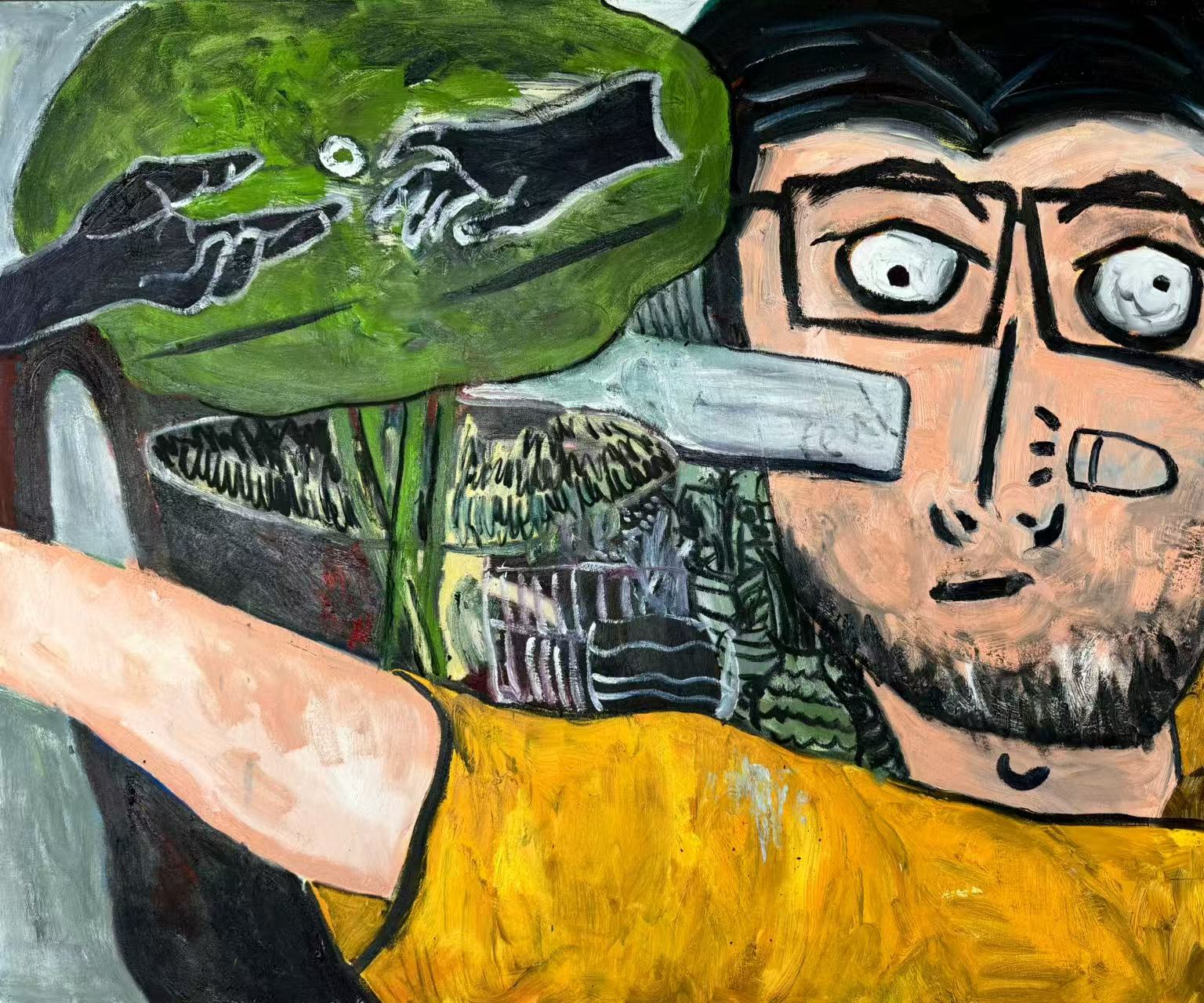
oil on canvas, 100 x 120 cm, 2025
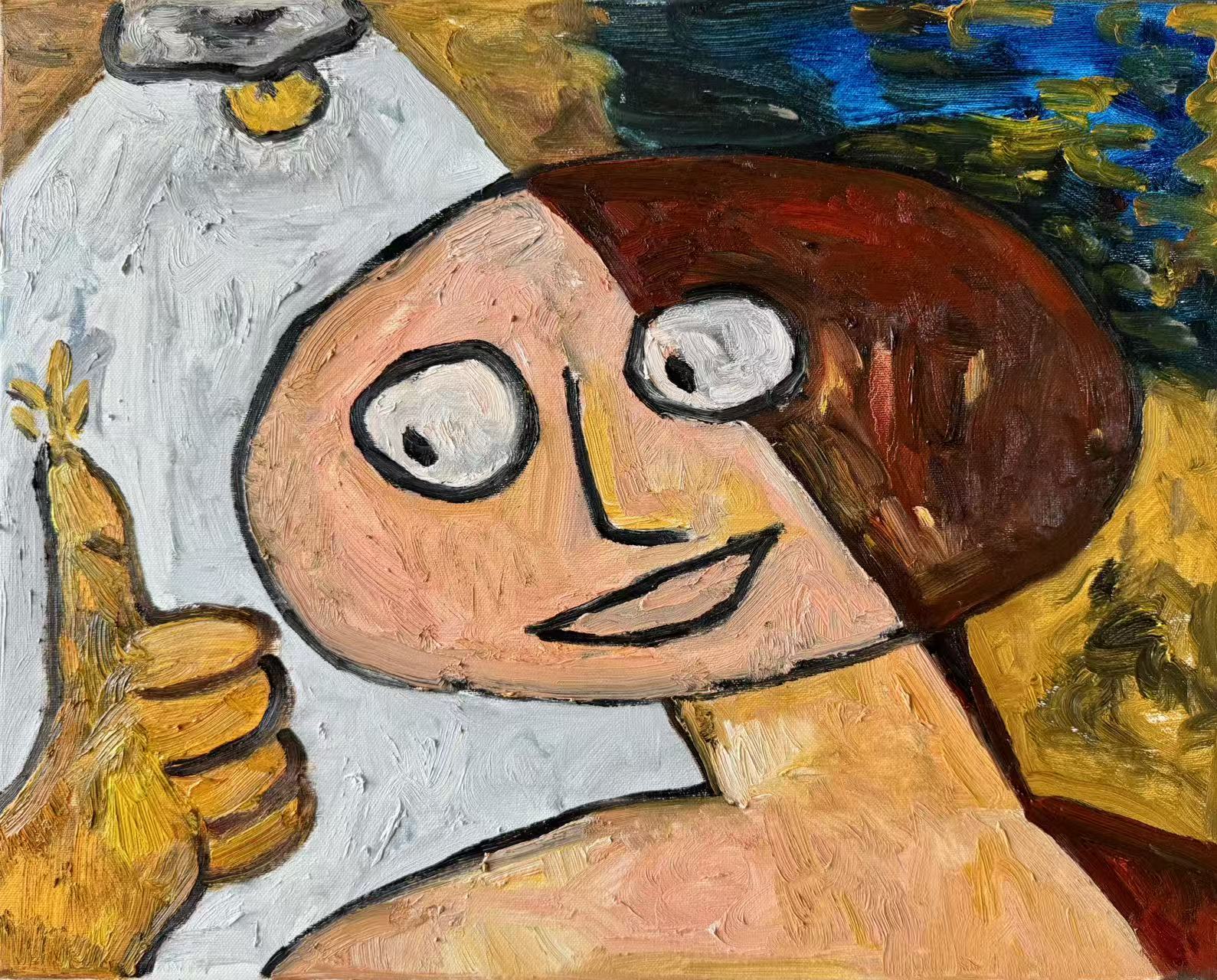
oil on canvas, 40 x 50 cm, 2025
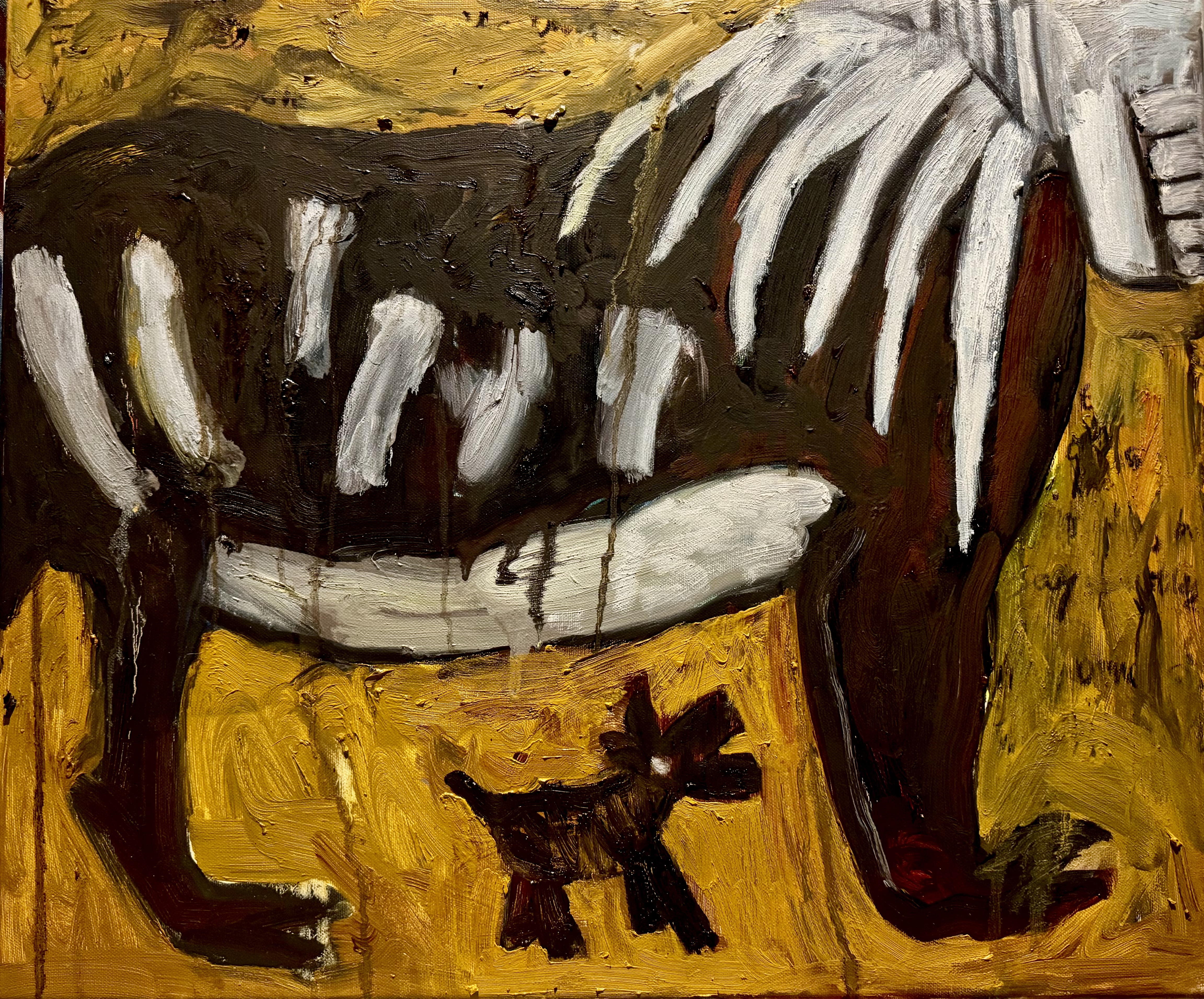
oil on canvas, 40 x 50 cm, 2025
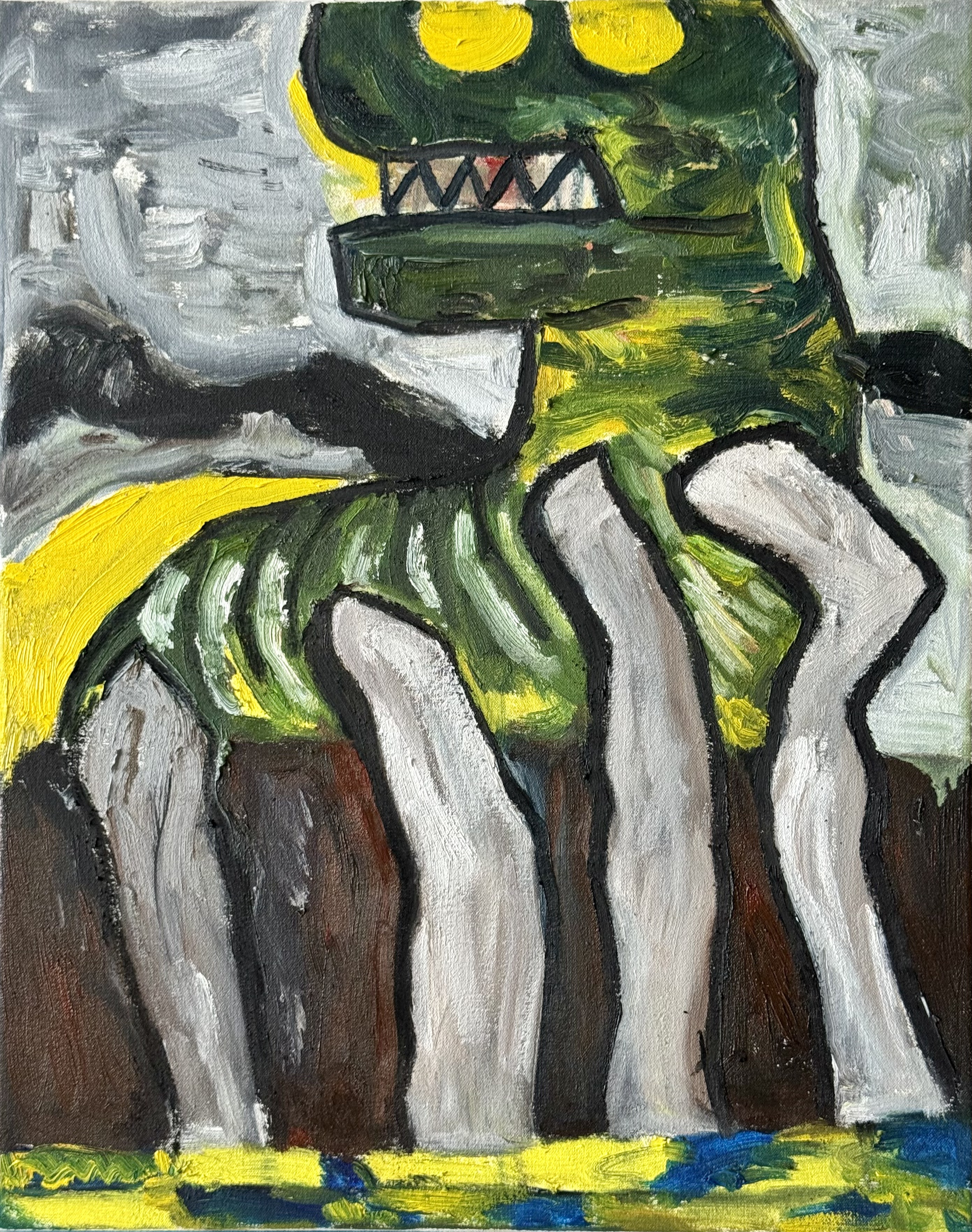
oil on canvas, 40 x 30 cm, 2025
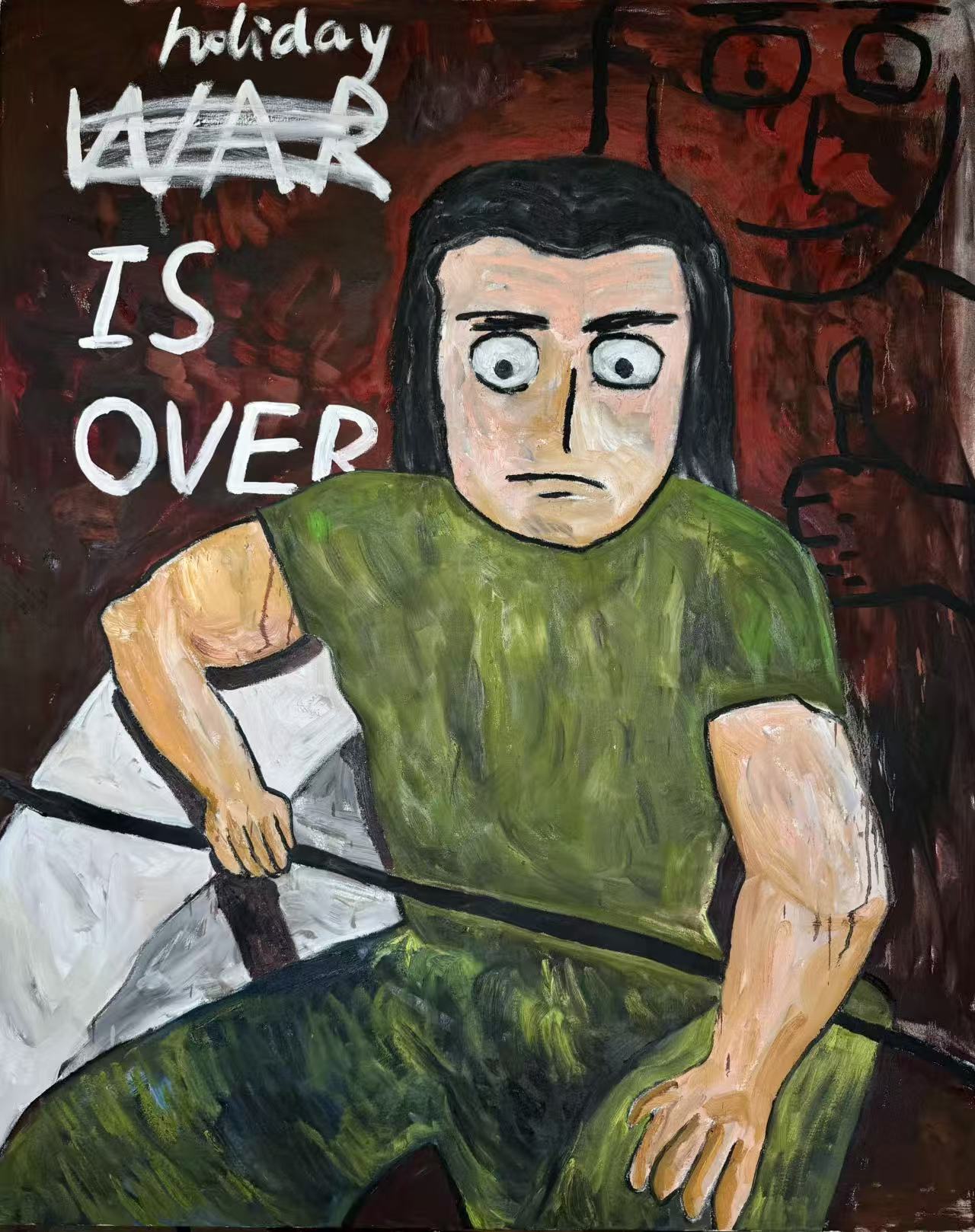
oil on canvas, 150 x 120 cm, 2025
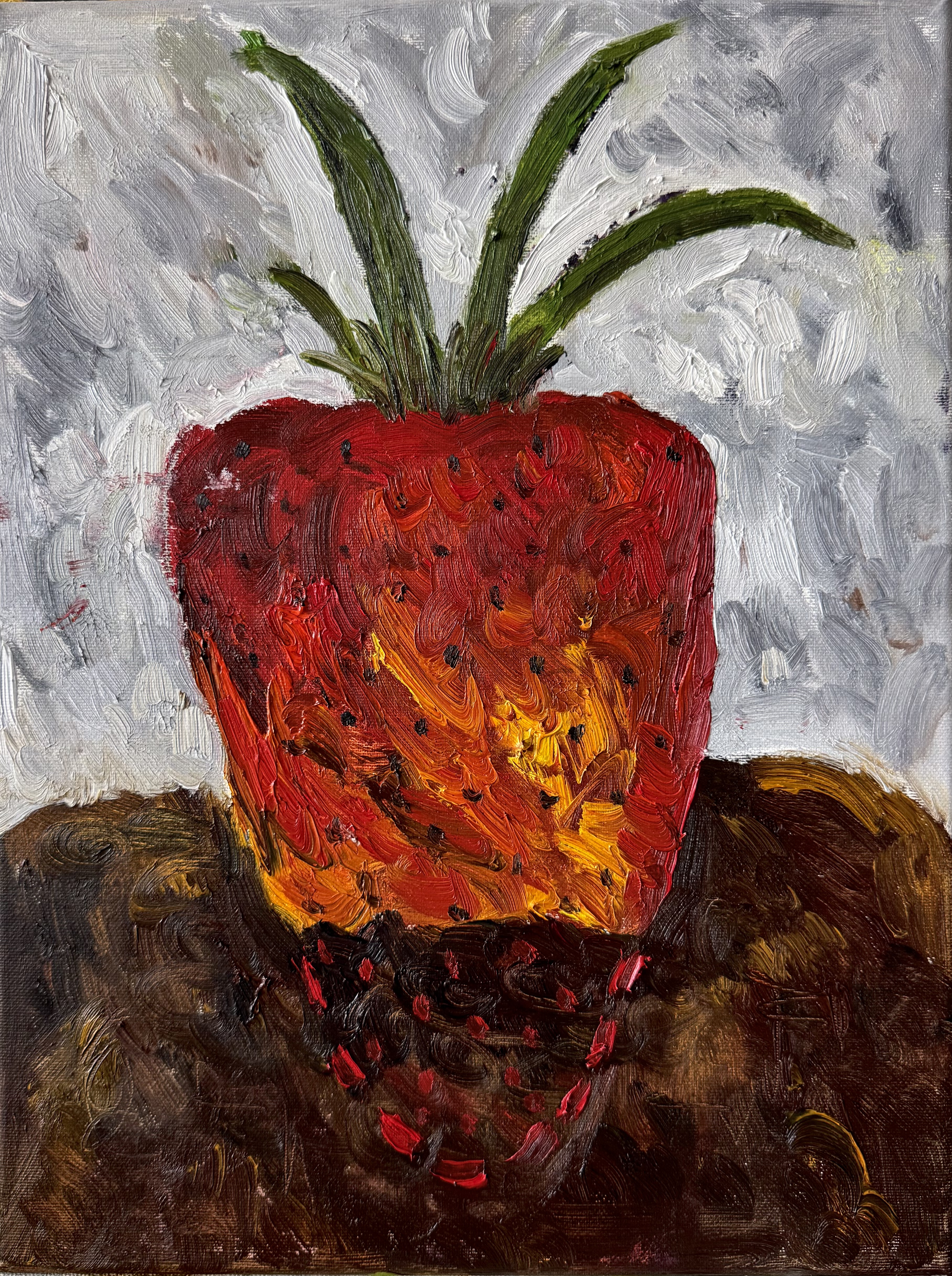
oil on canvas, 40 x 30 cm, 2025
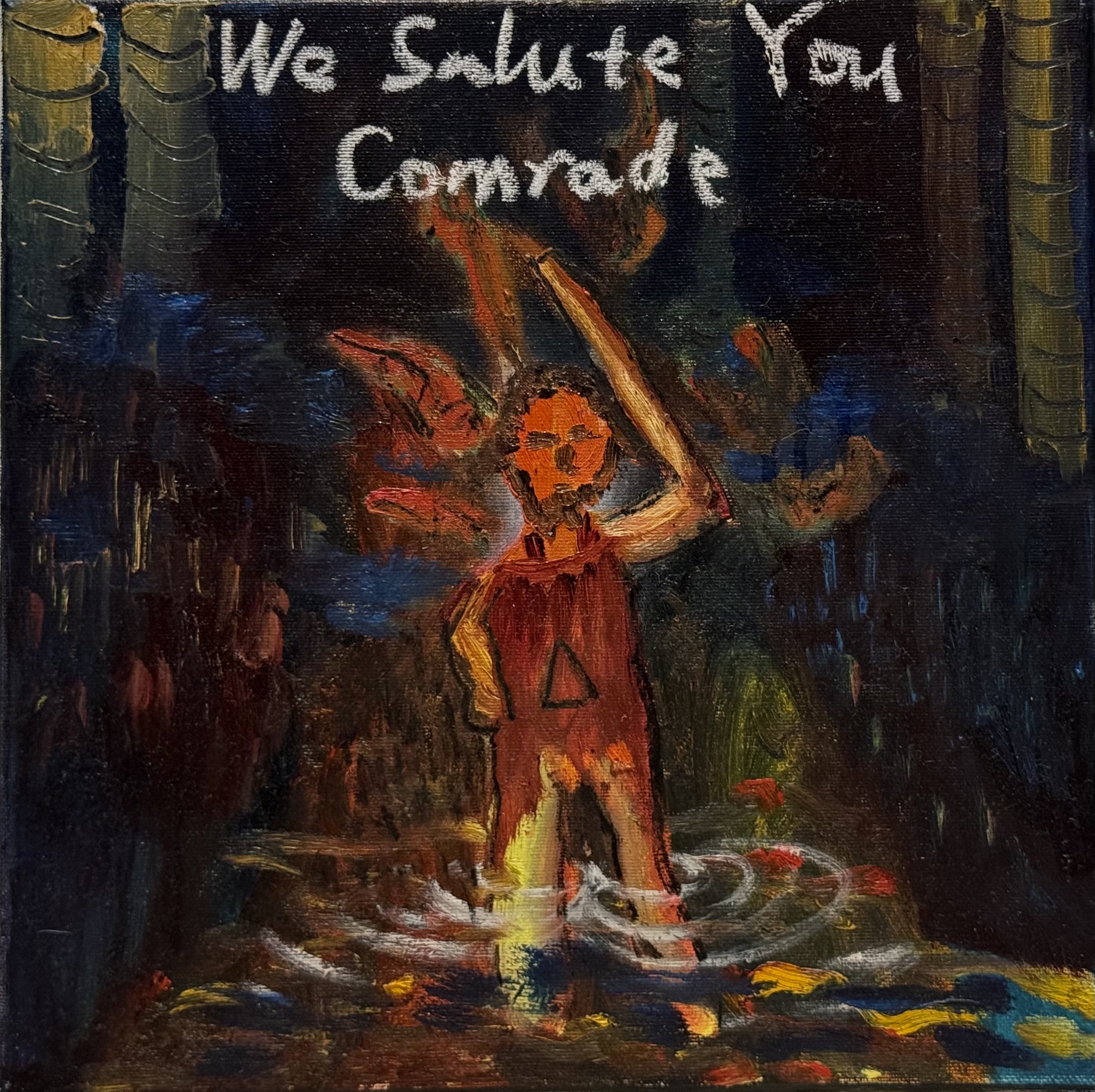
oil on canvas, 30 x 30 cm, 2025
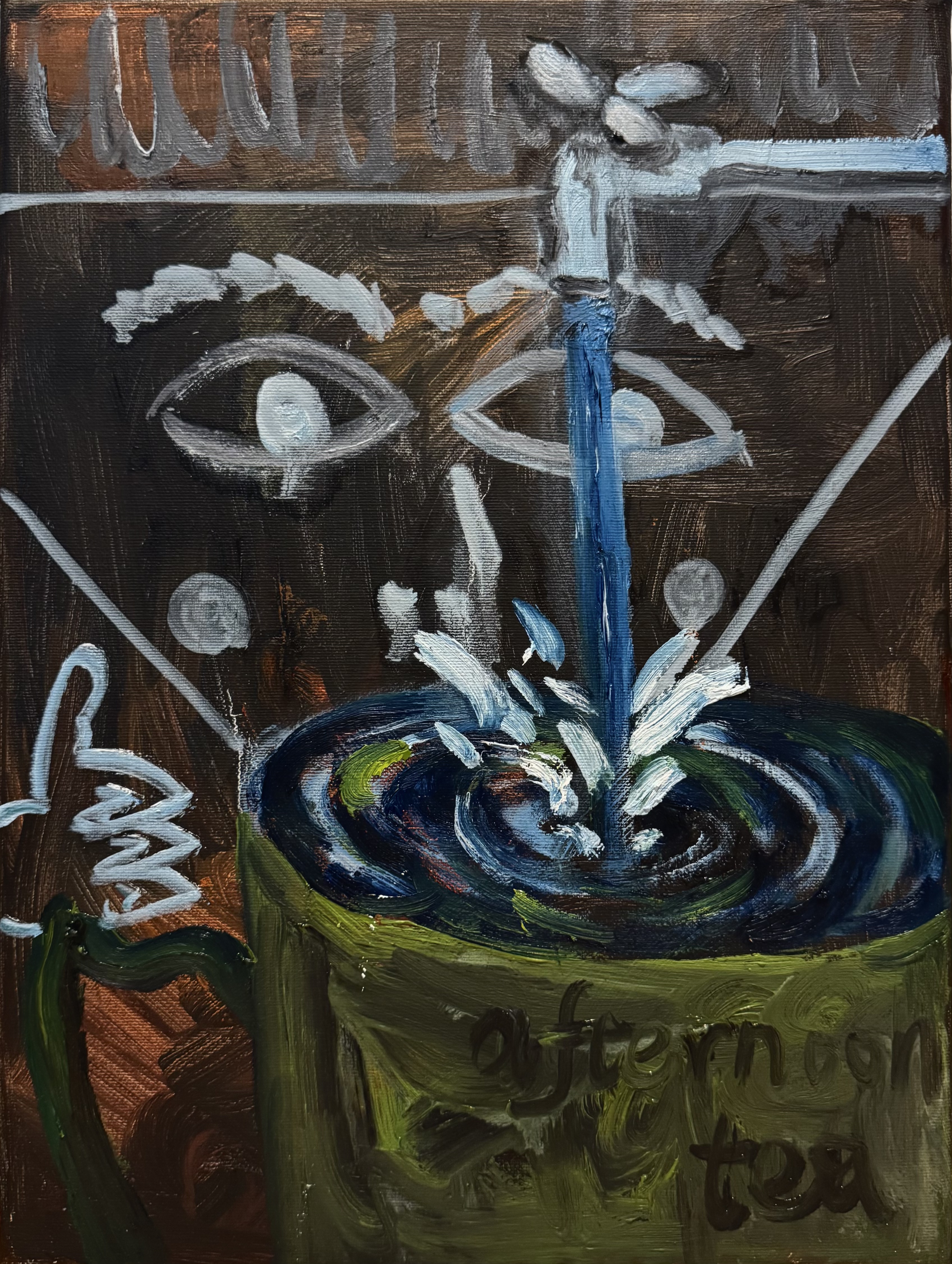
2025
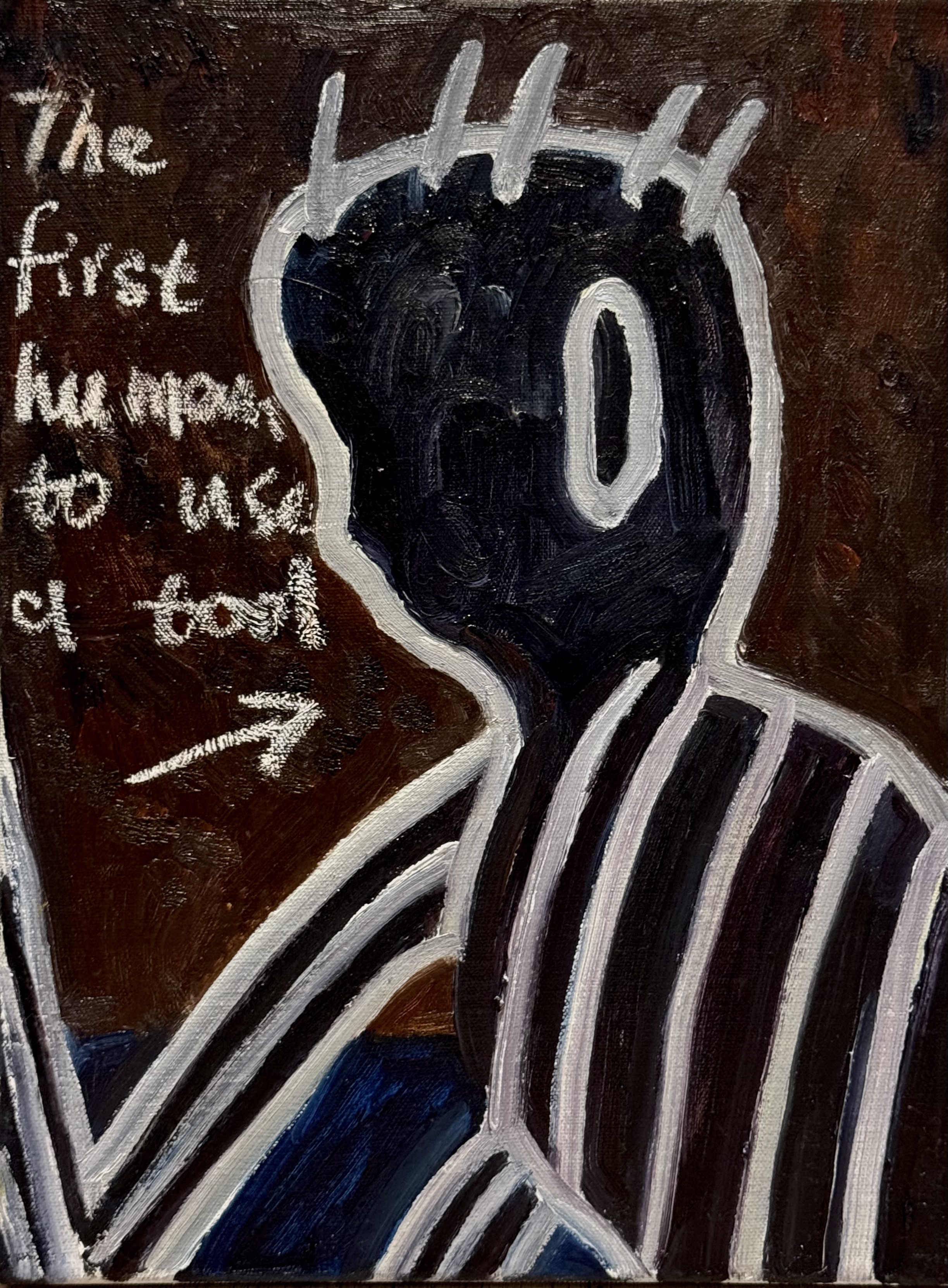
2025
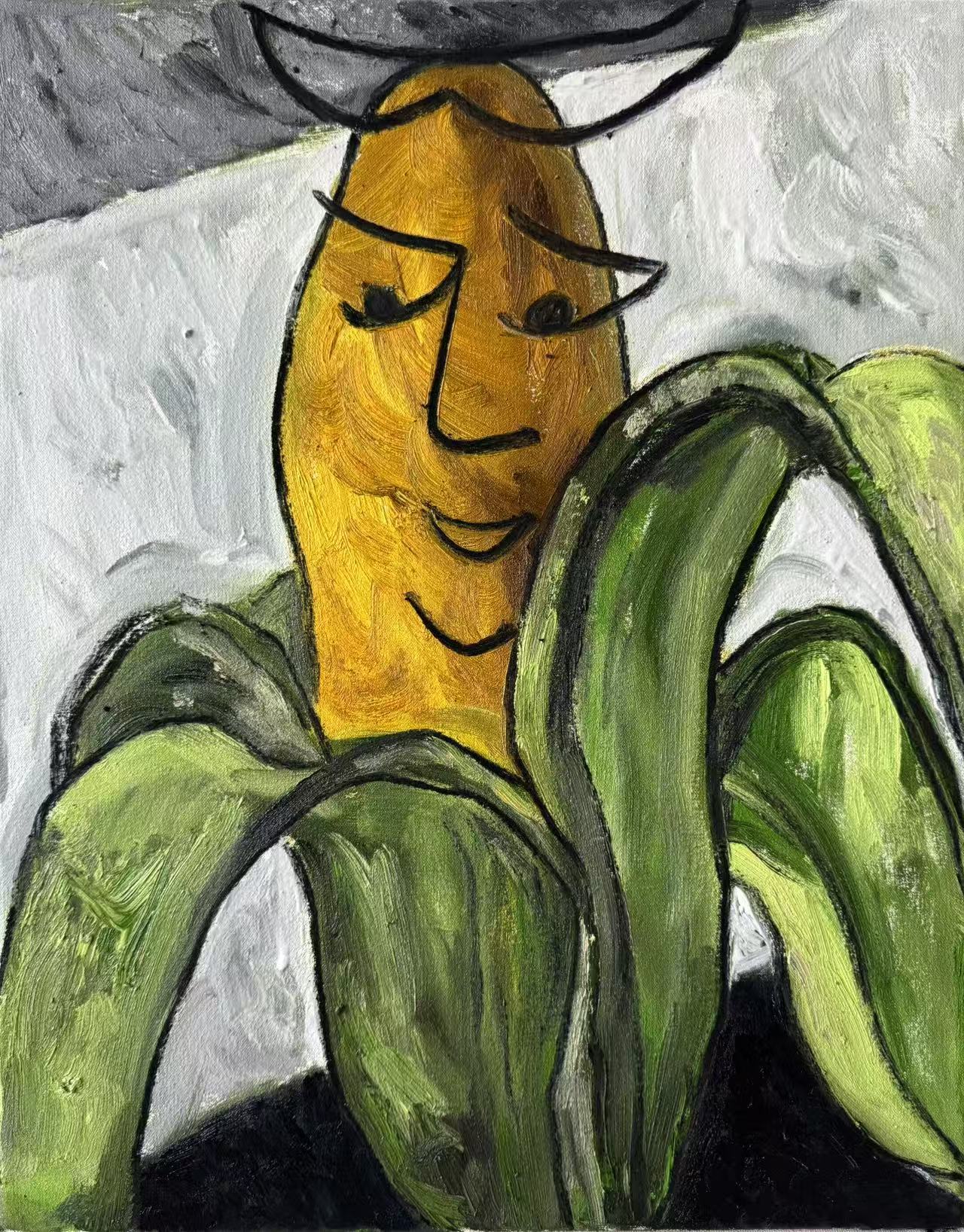
2025
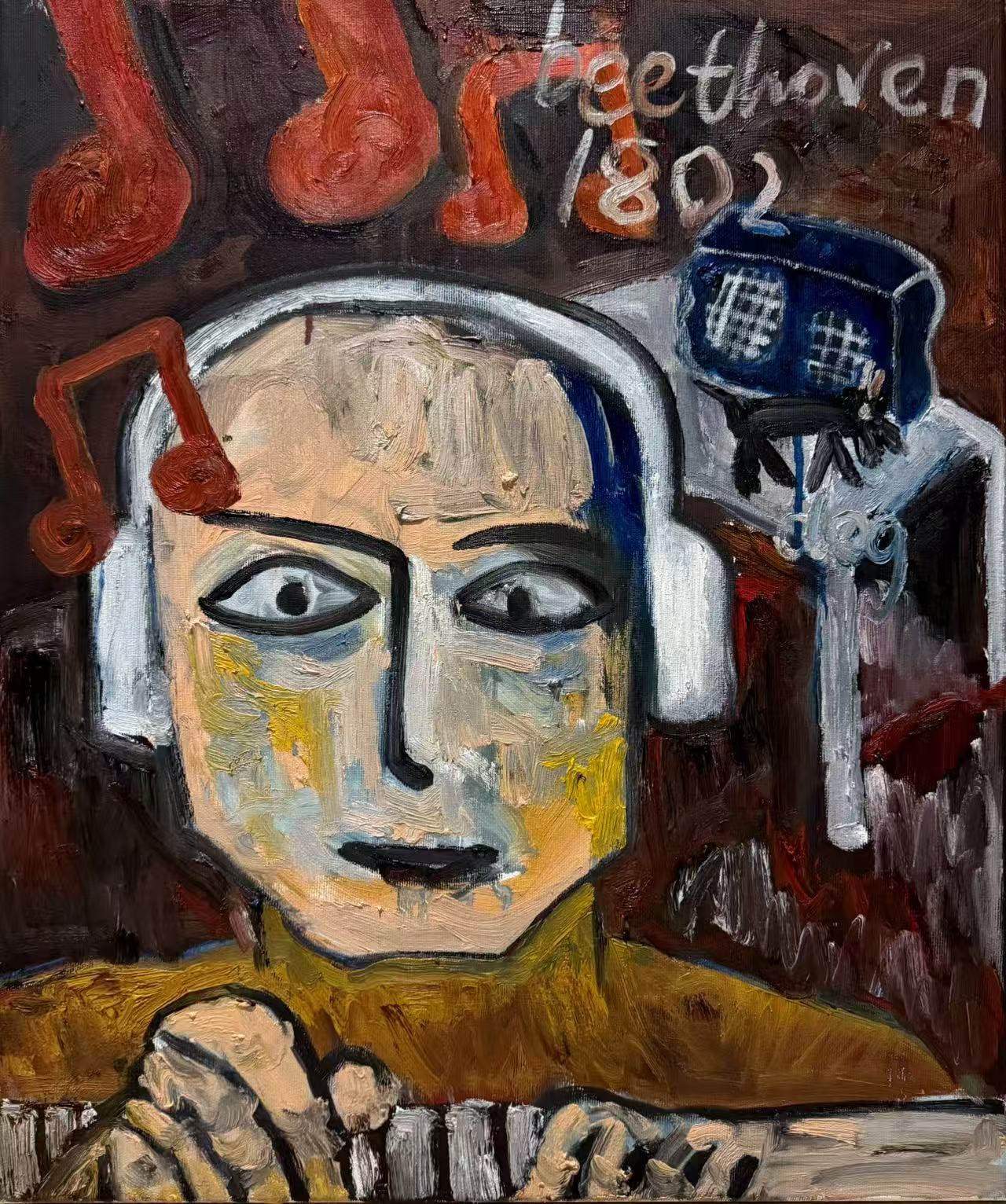
2025
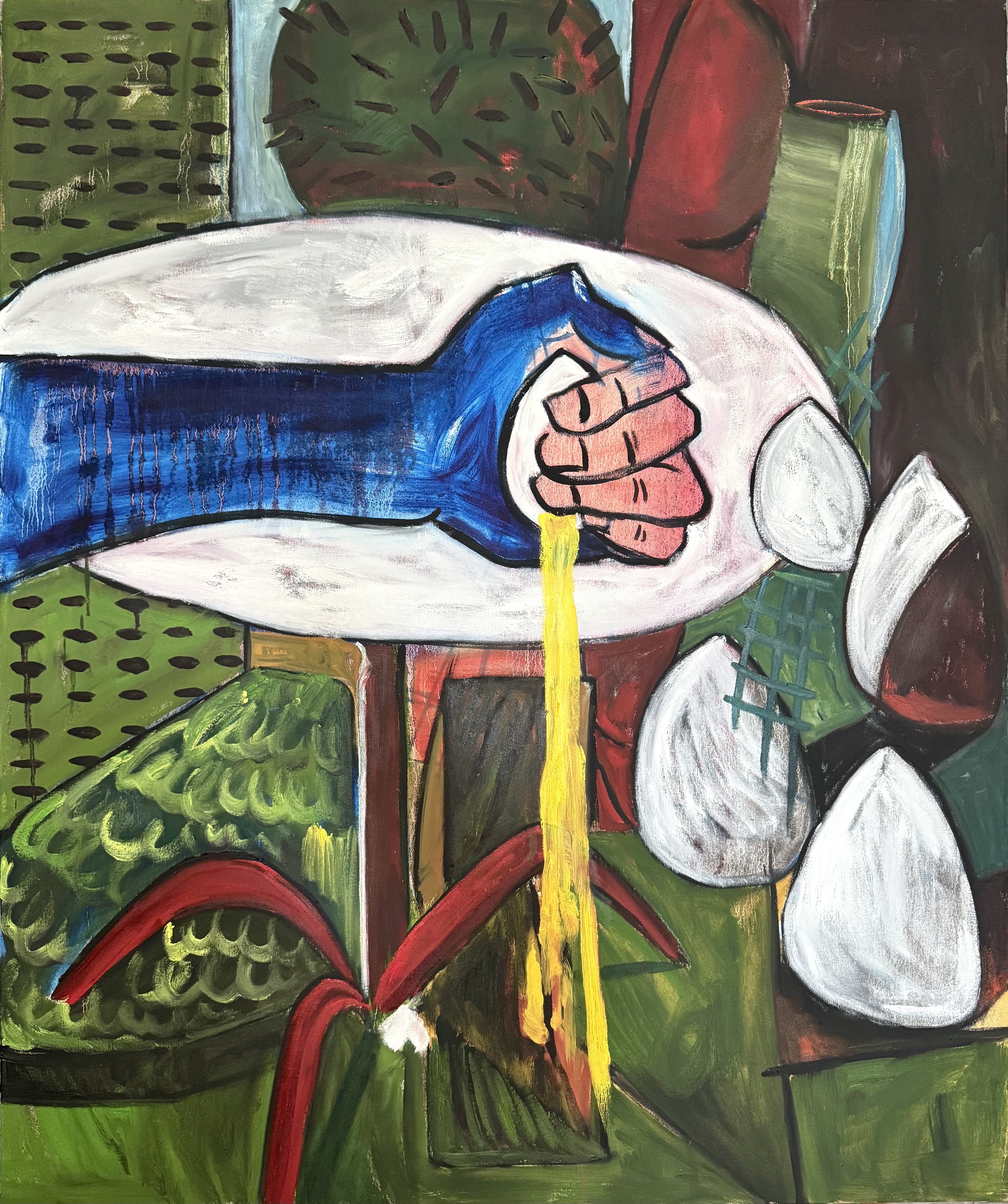
2025
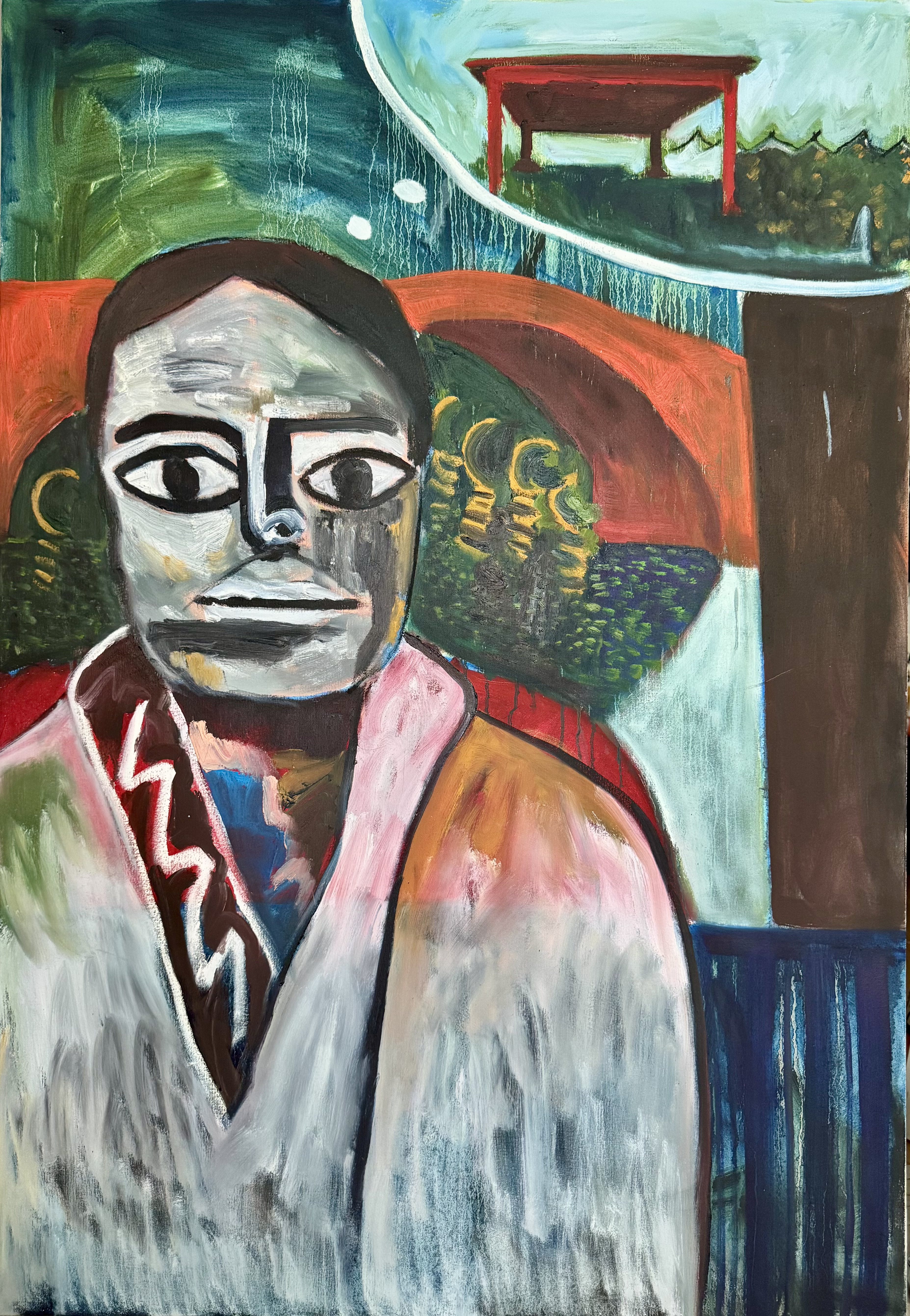
2025
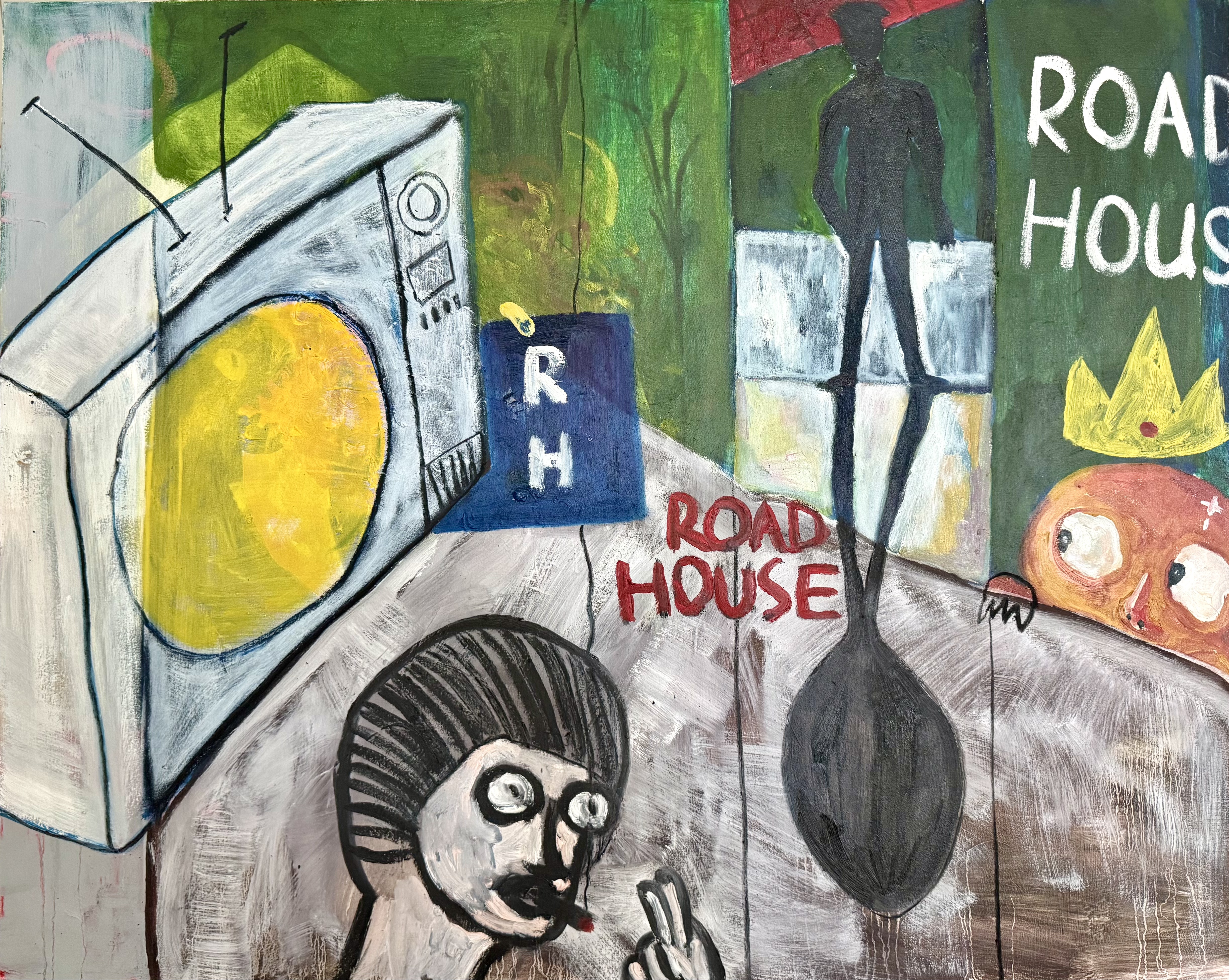
2025
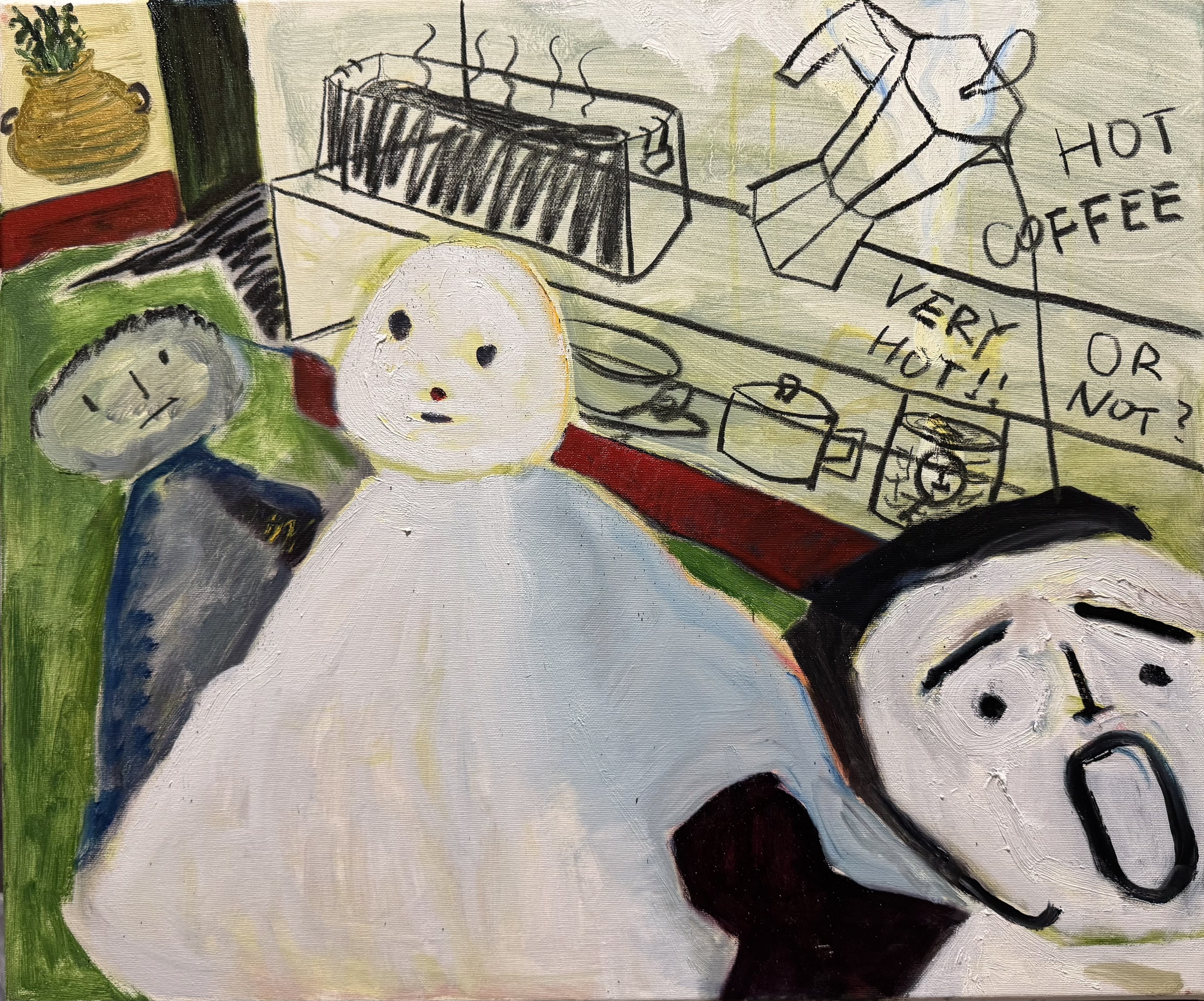
2025
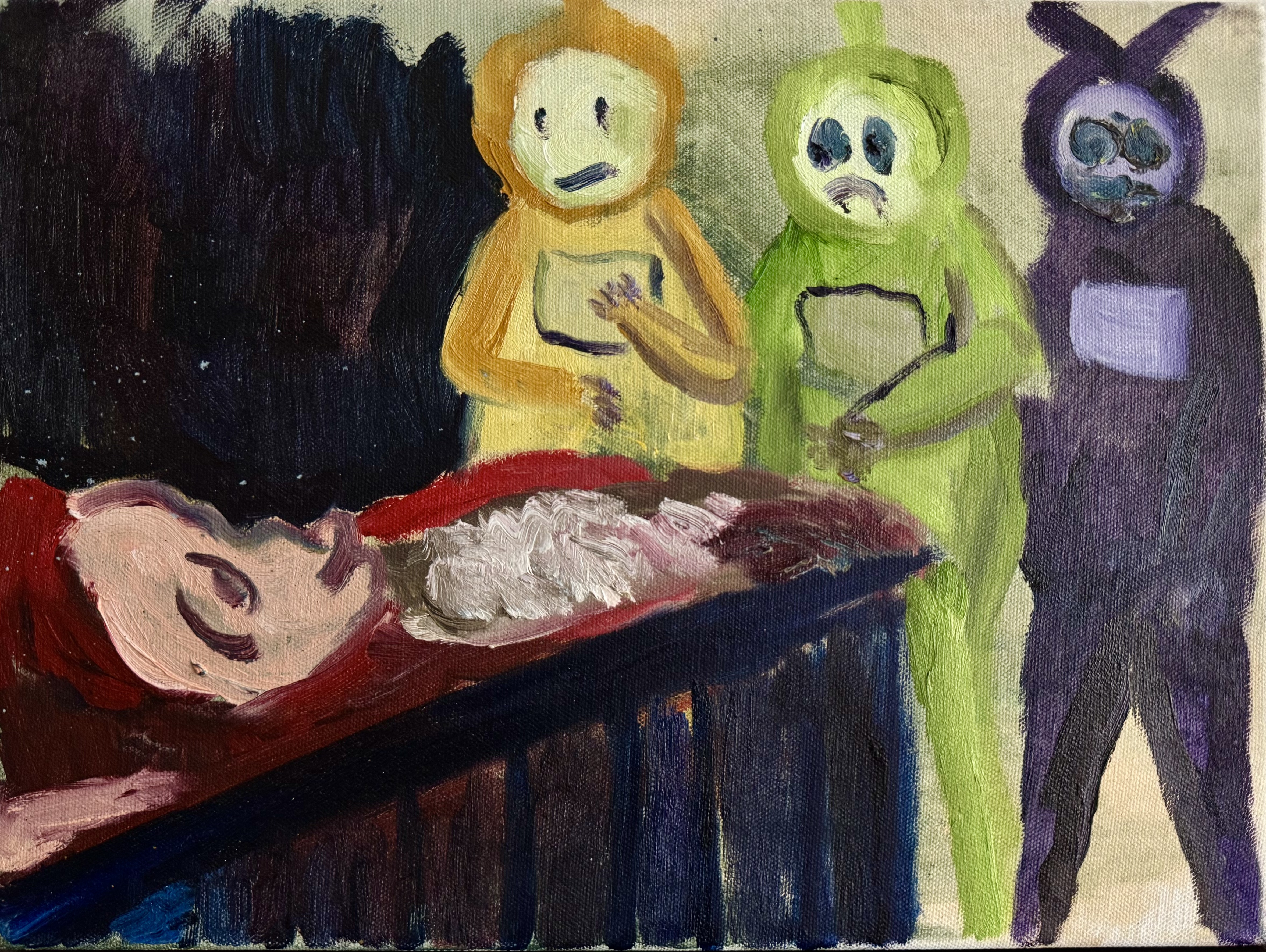
2025
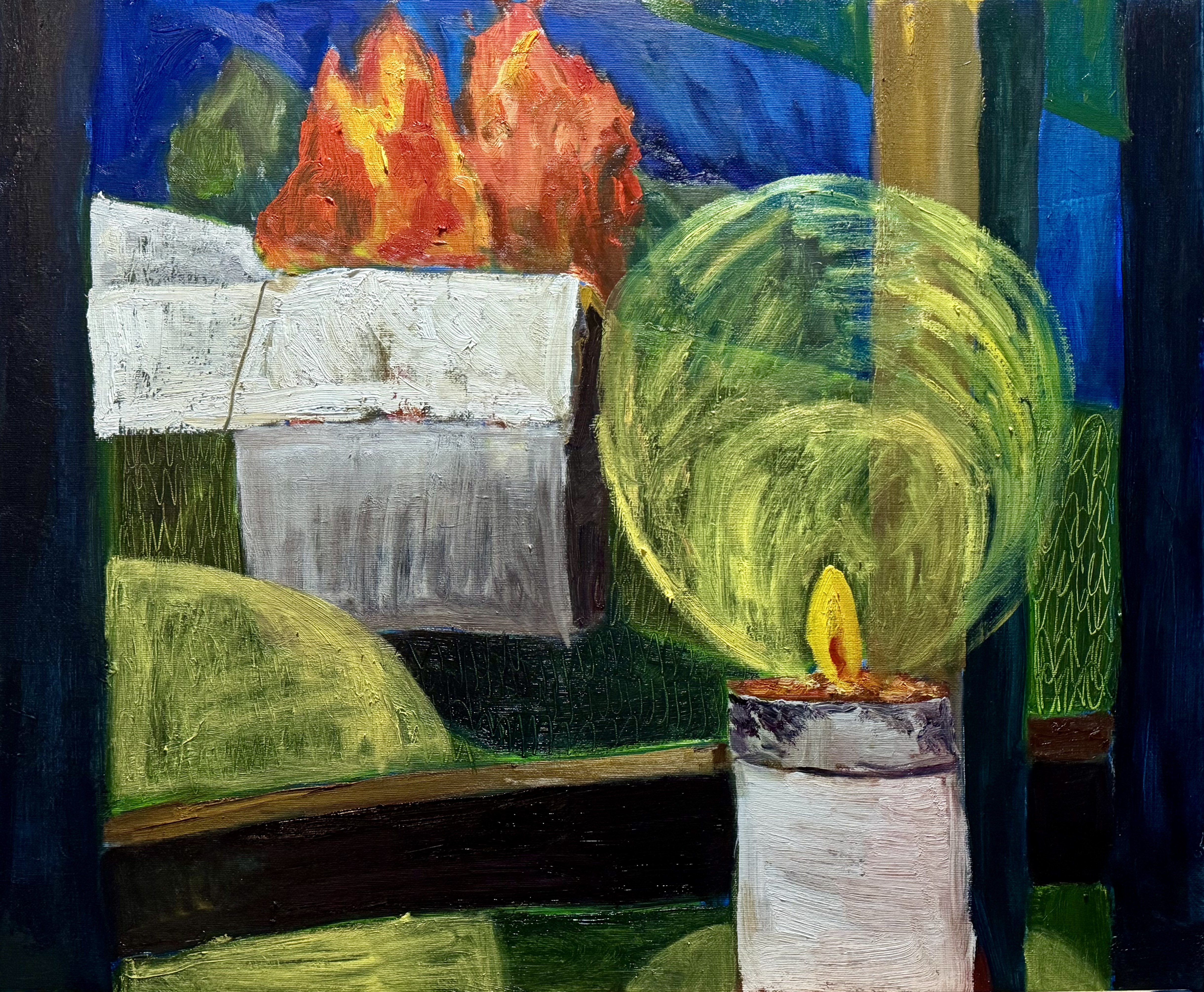
2025
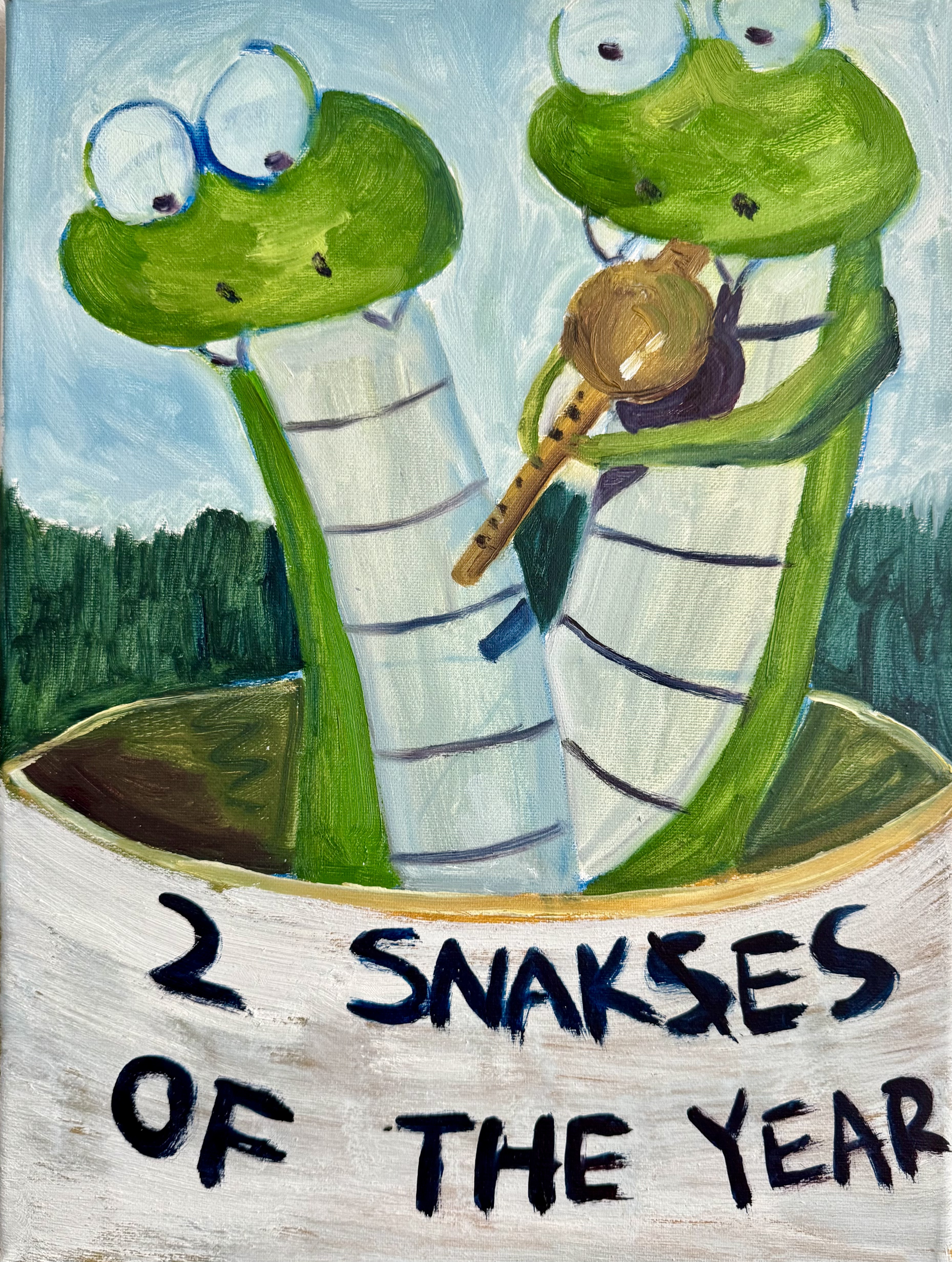
2025
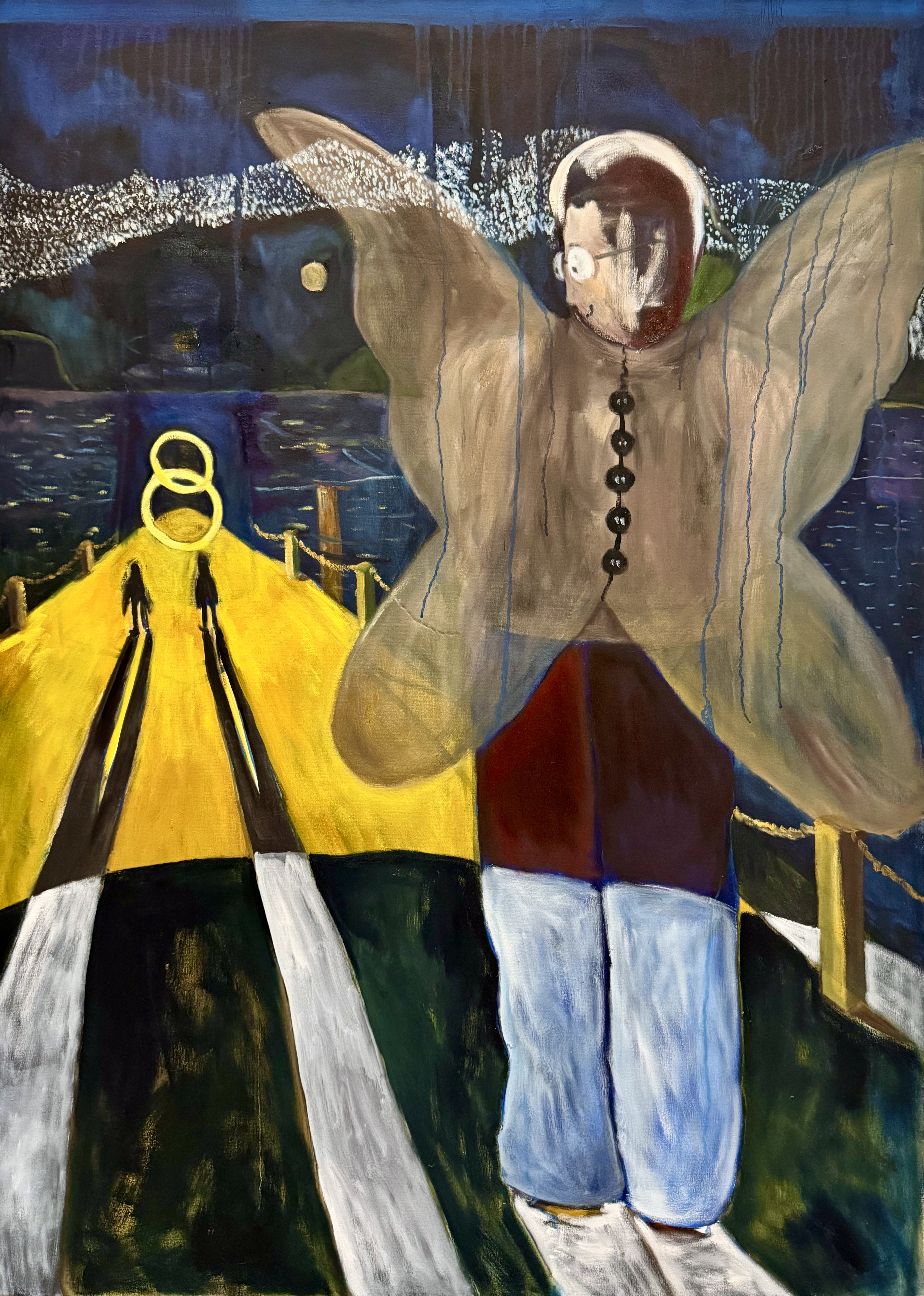
2025
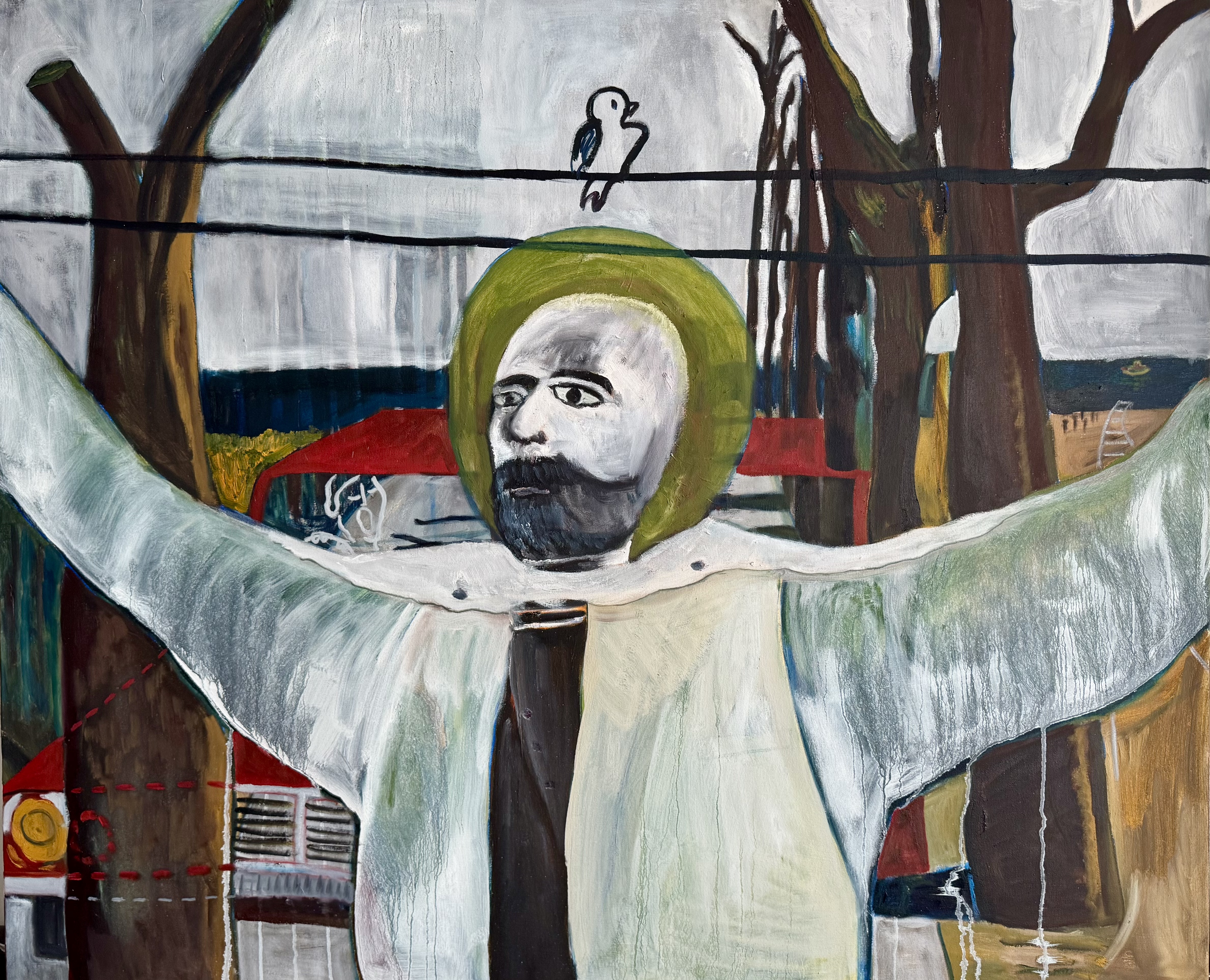
2025
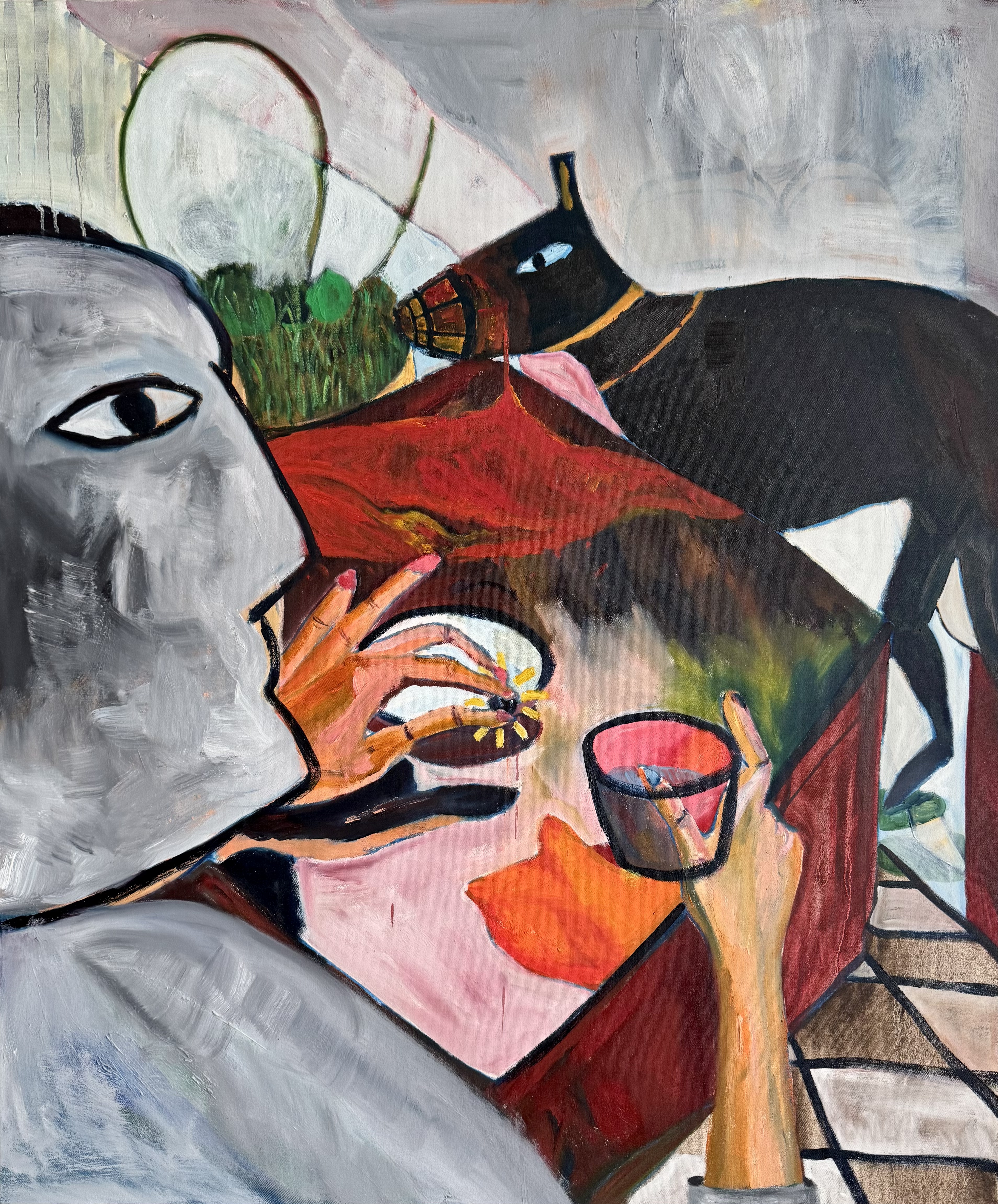
2025
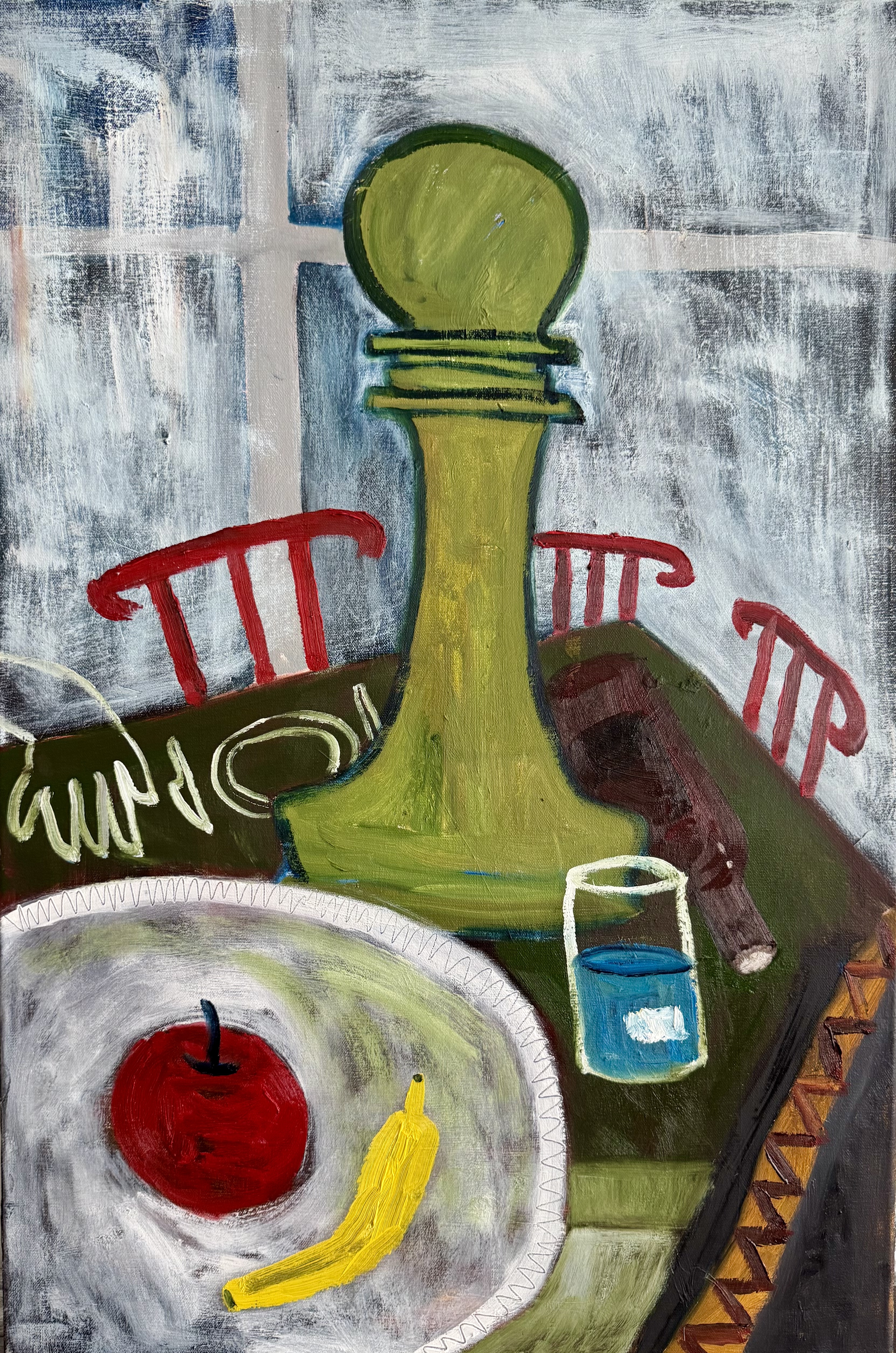
2025
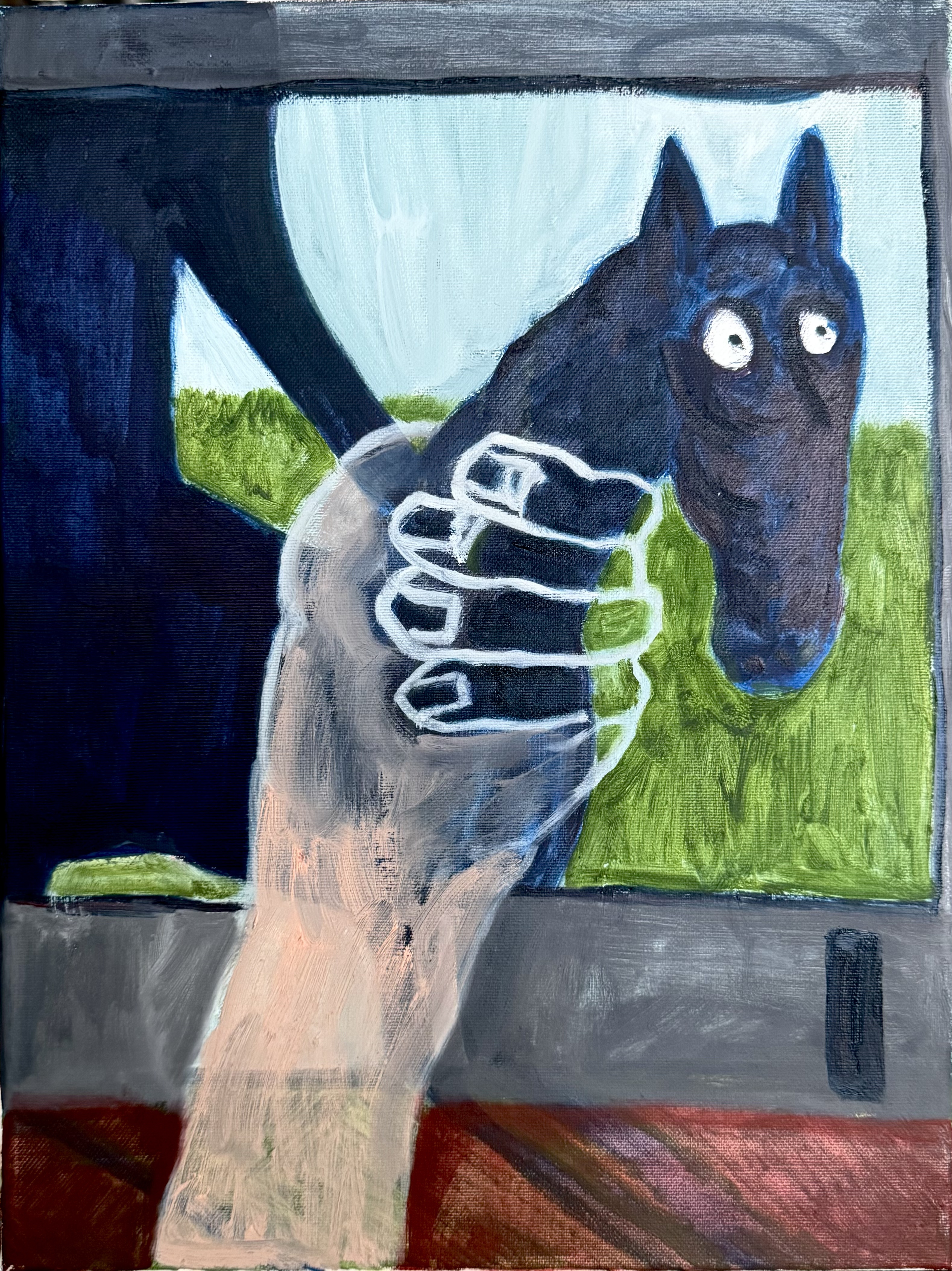
2025
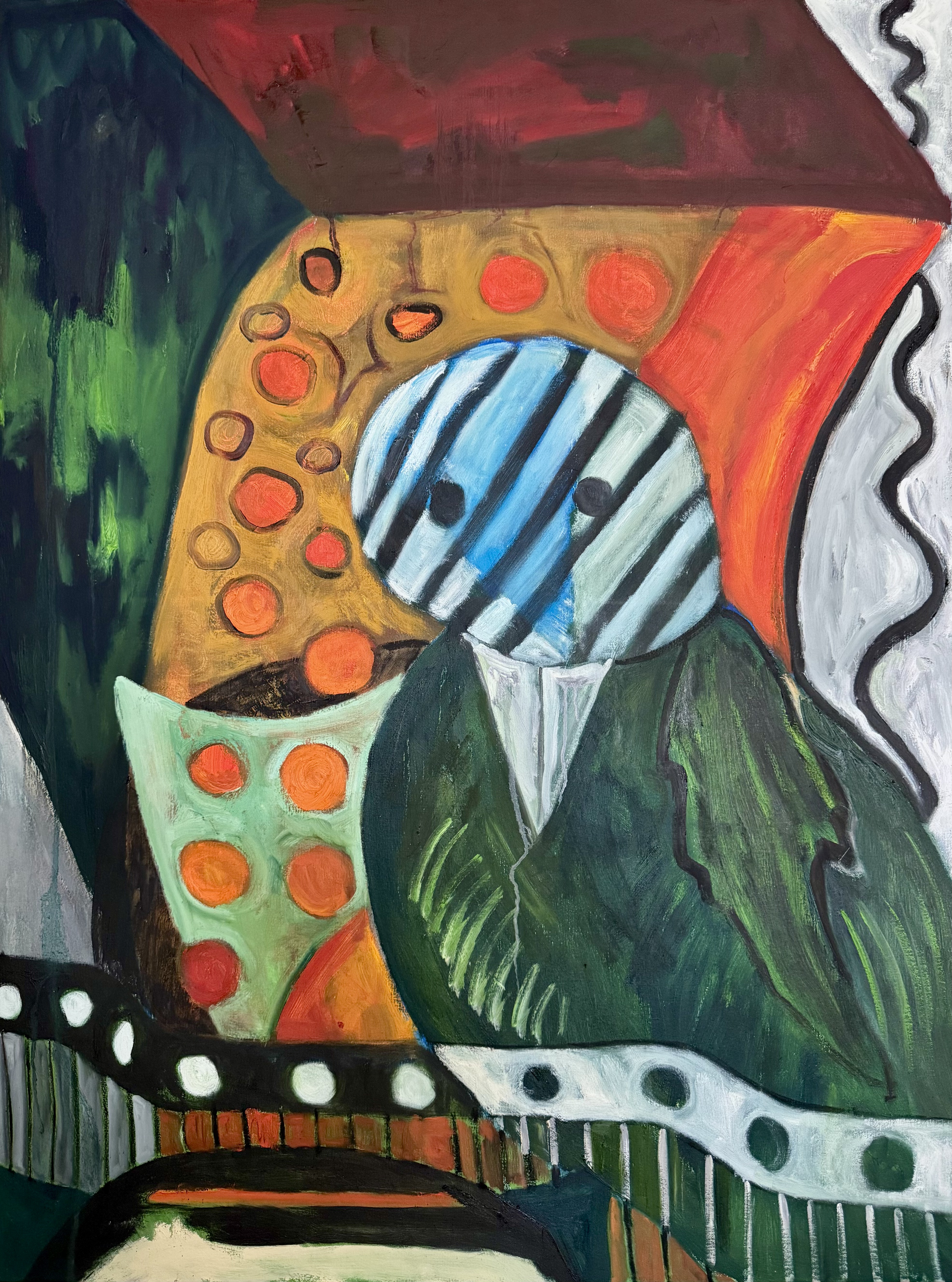
2025
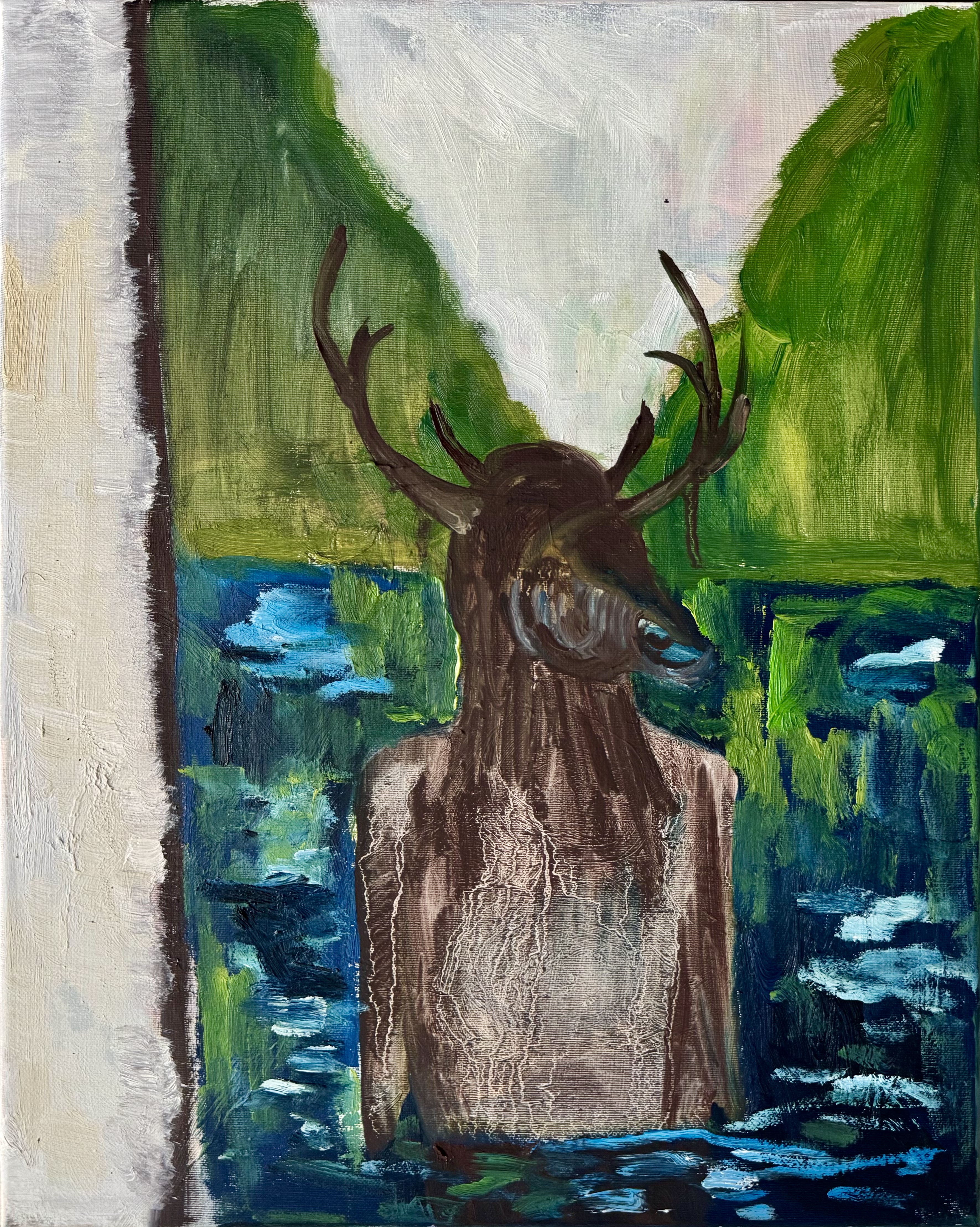
2025
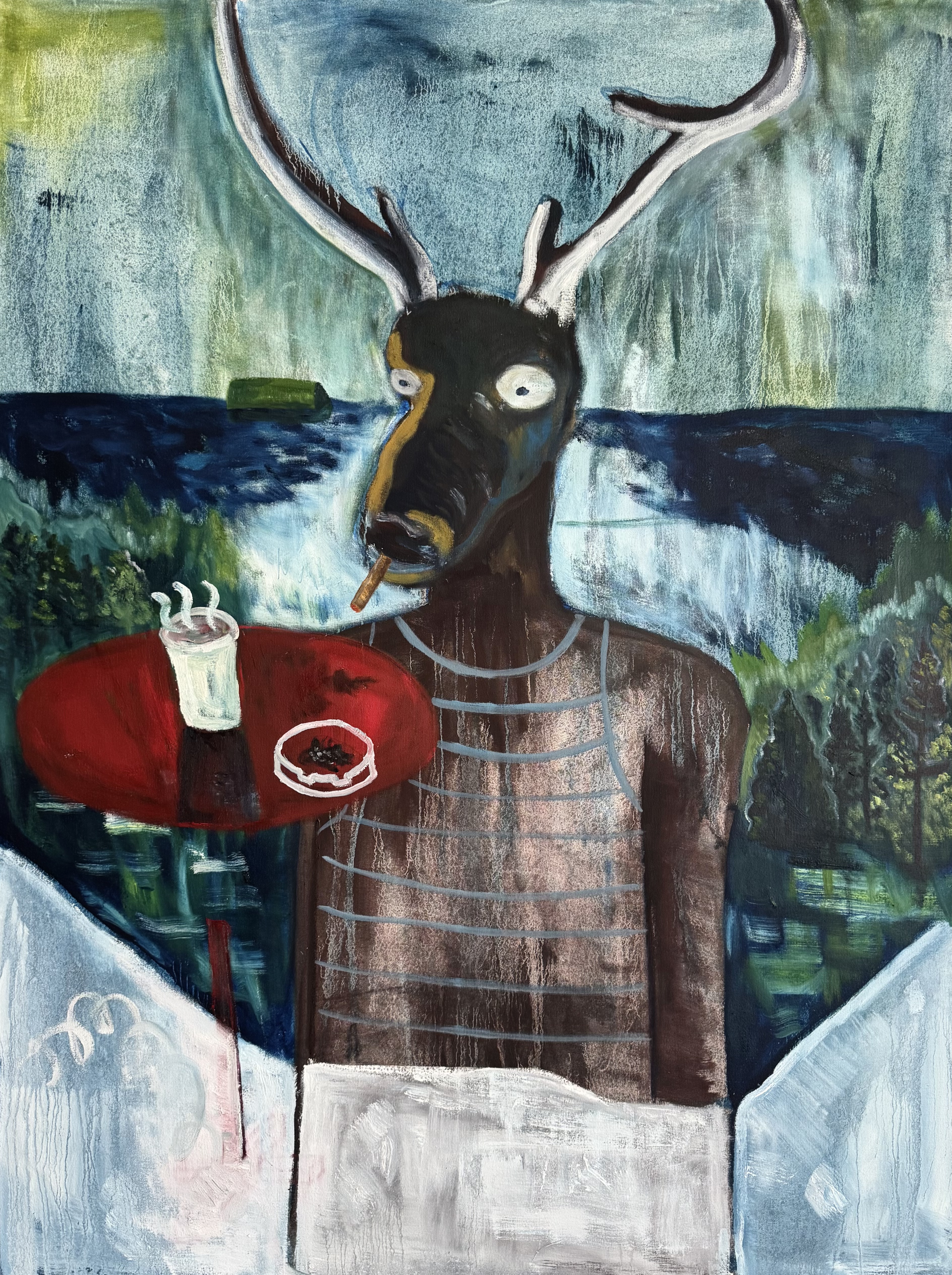
2025
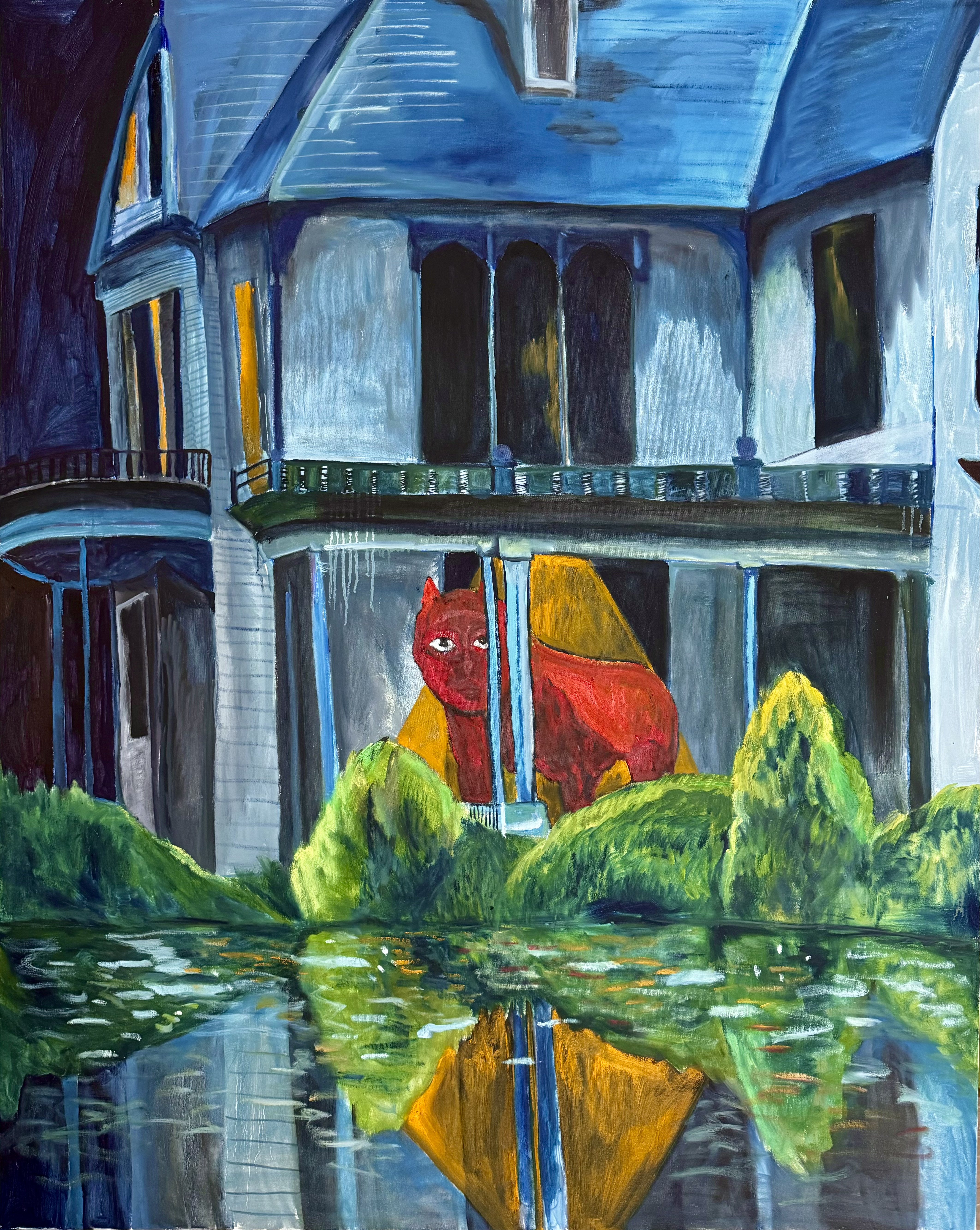
2024
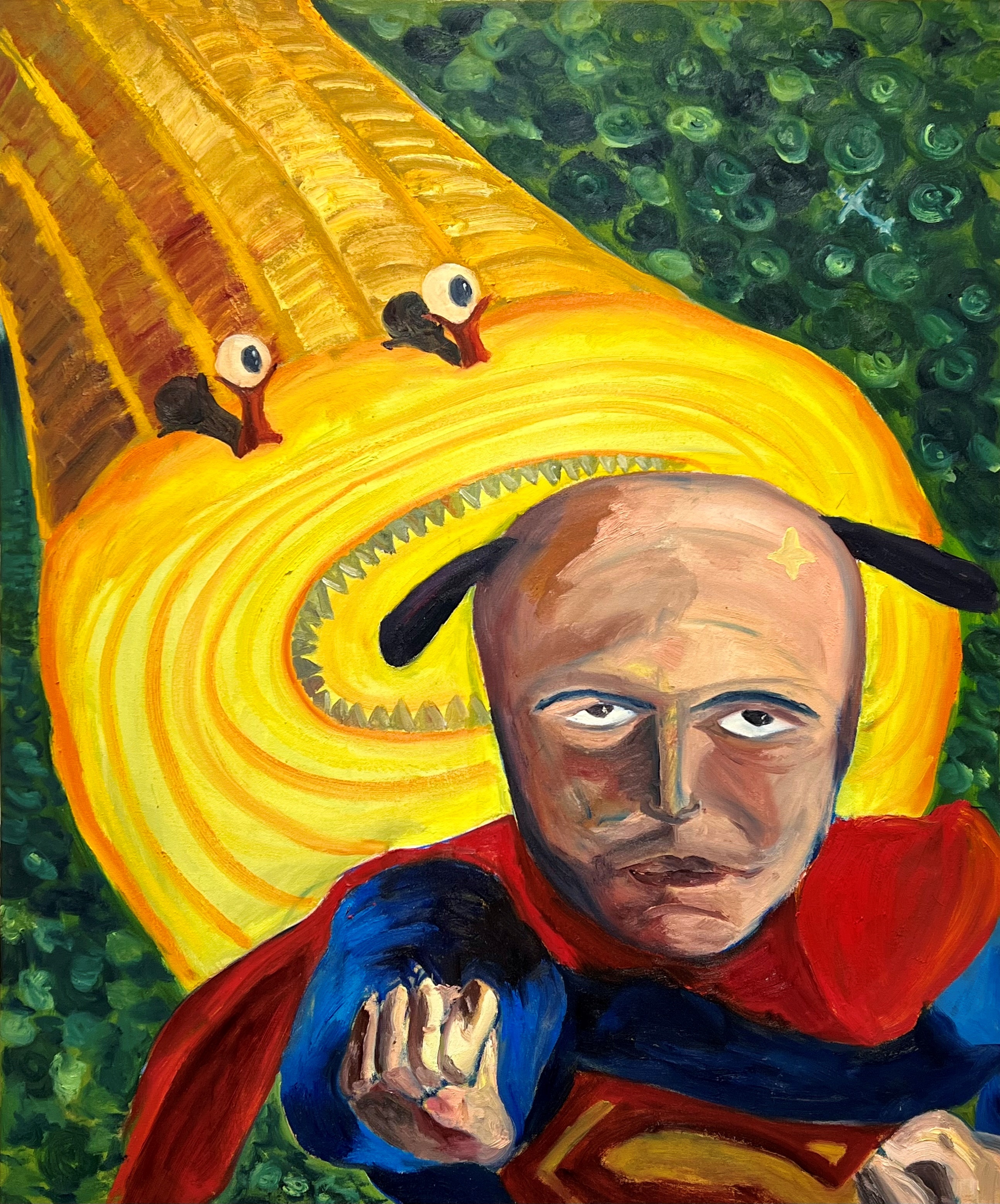
100 x 120 cm, 2024
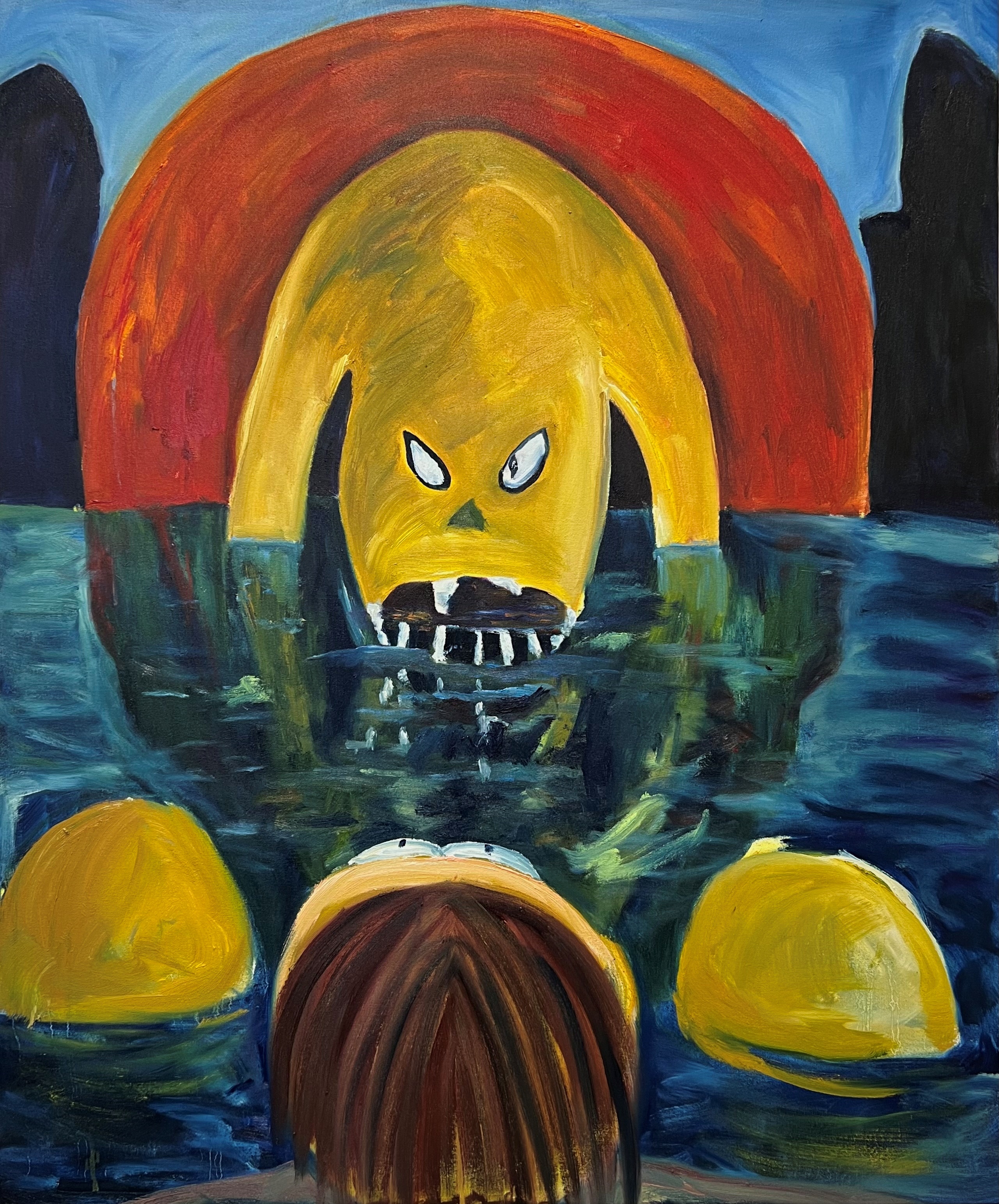
100 x 120 cm, 2024
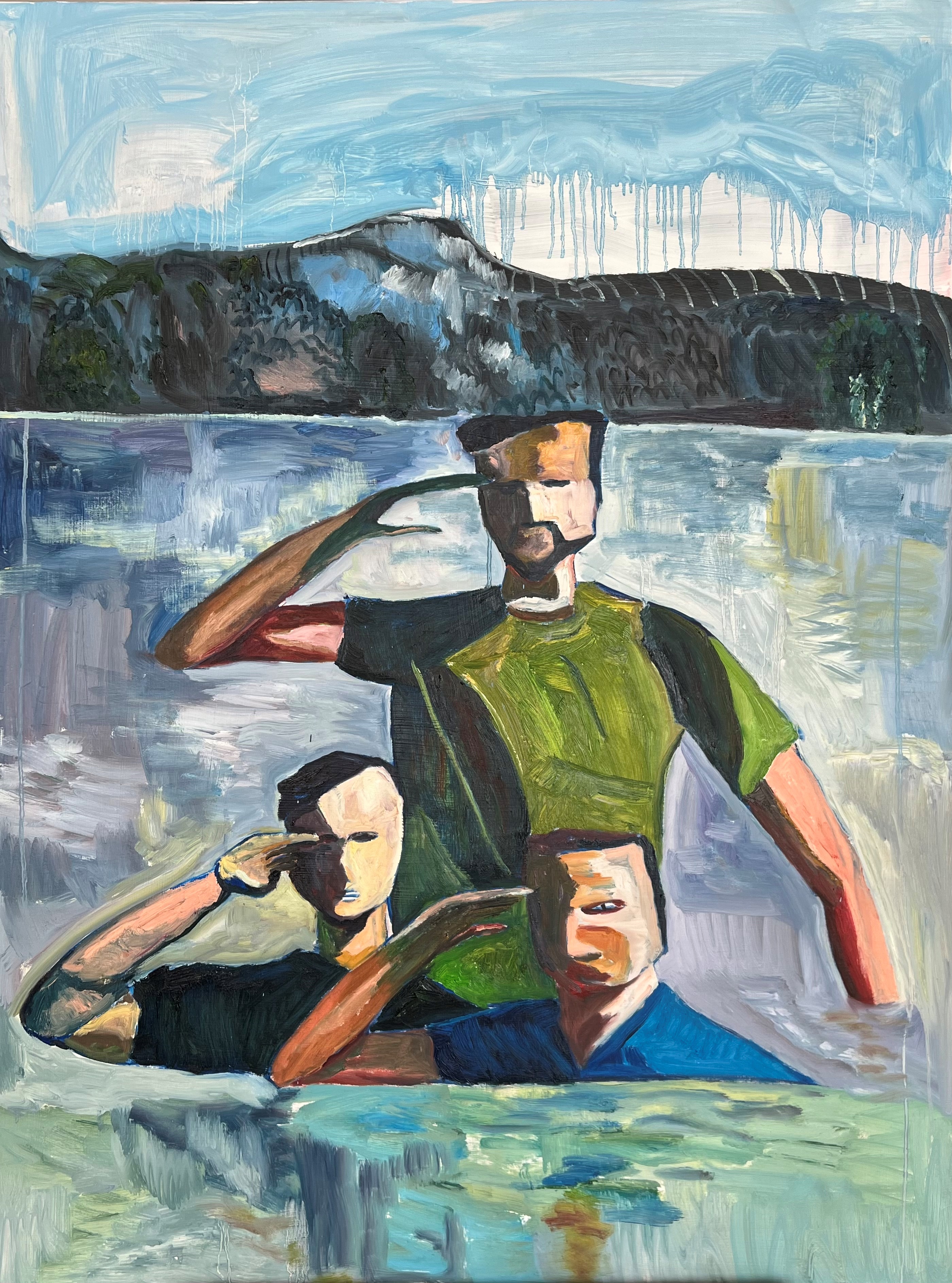
120 x 90 cm, 2024
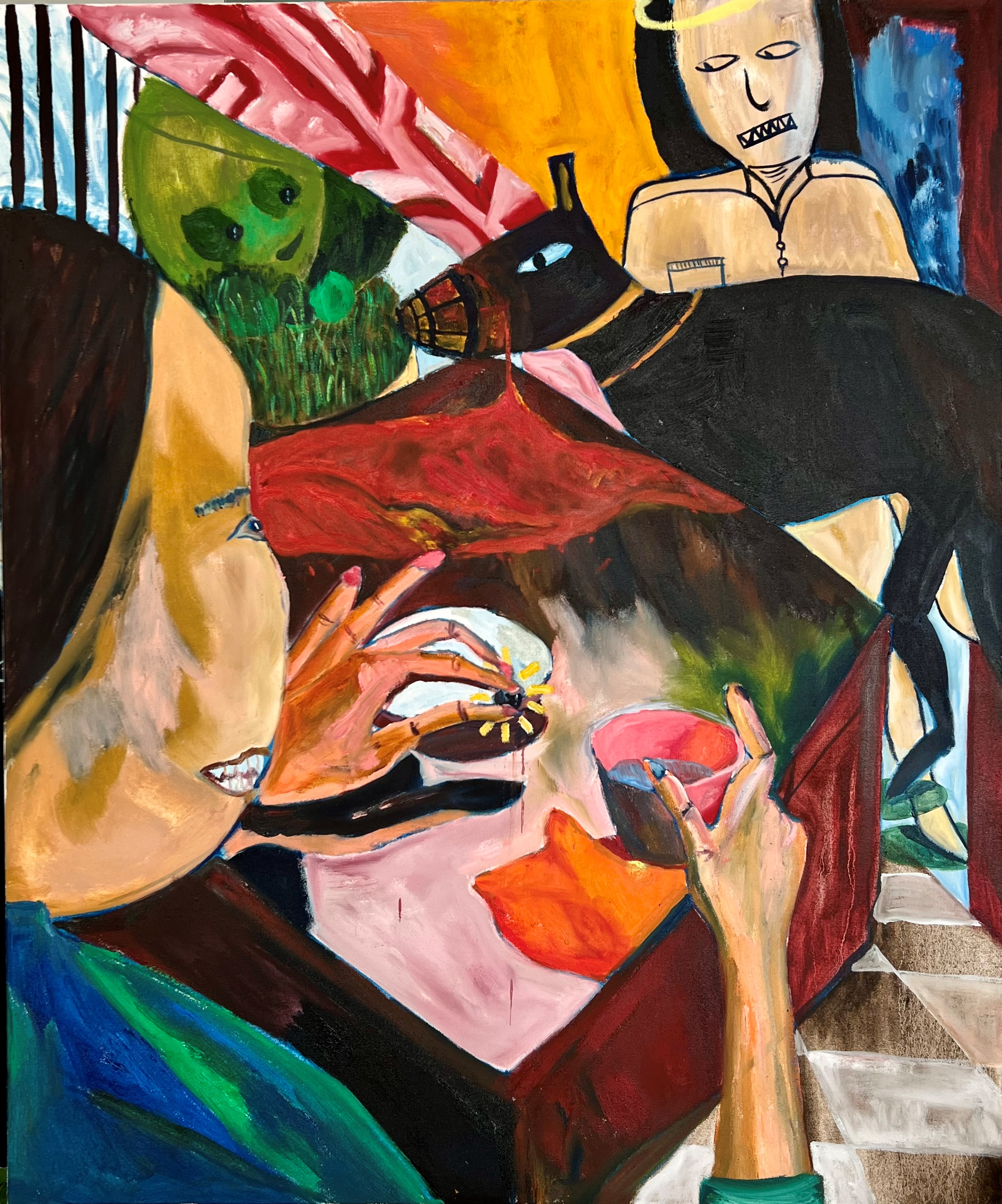
120 x 100 cm, 2024
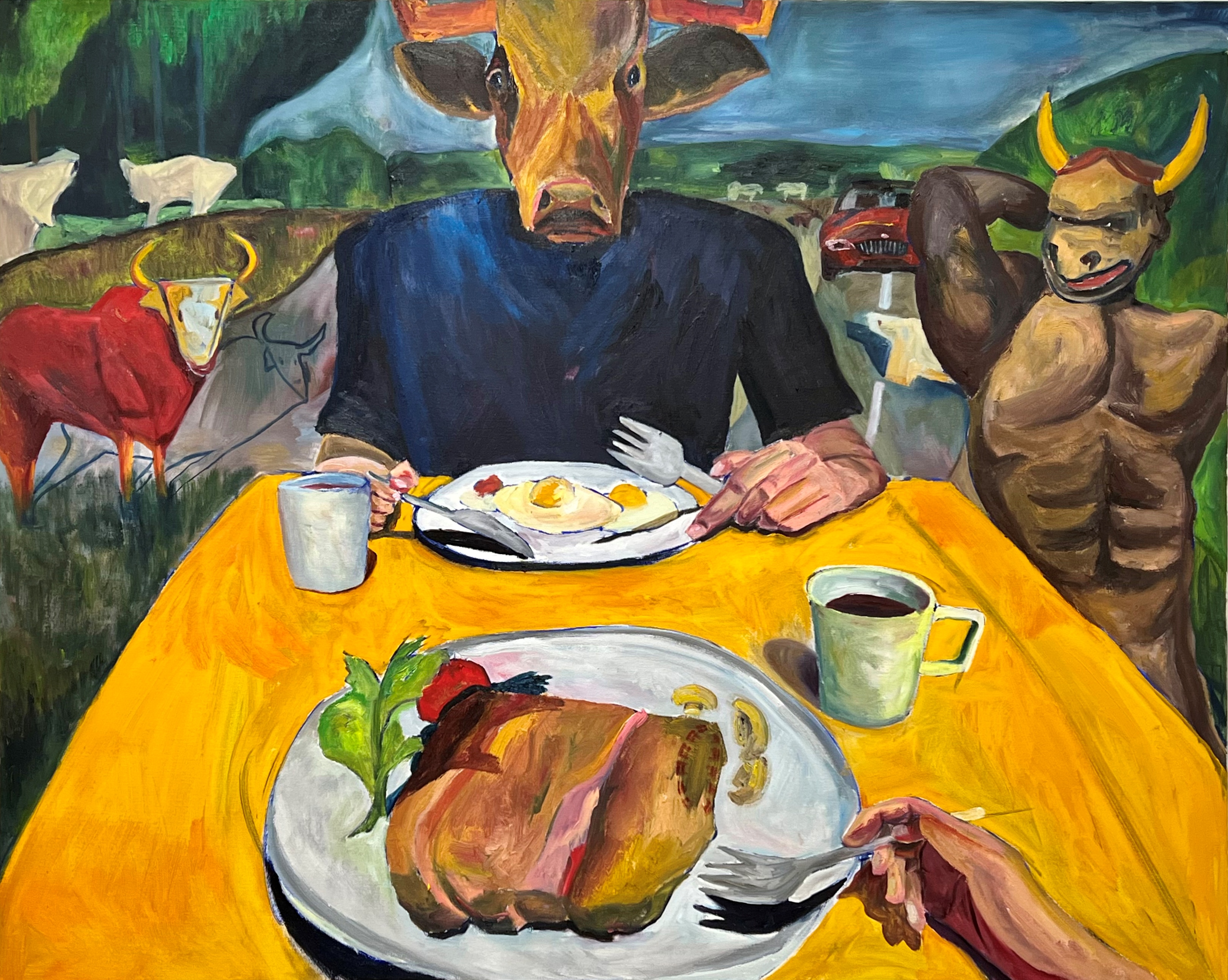
120 x 150 cm, 2024
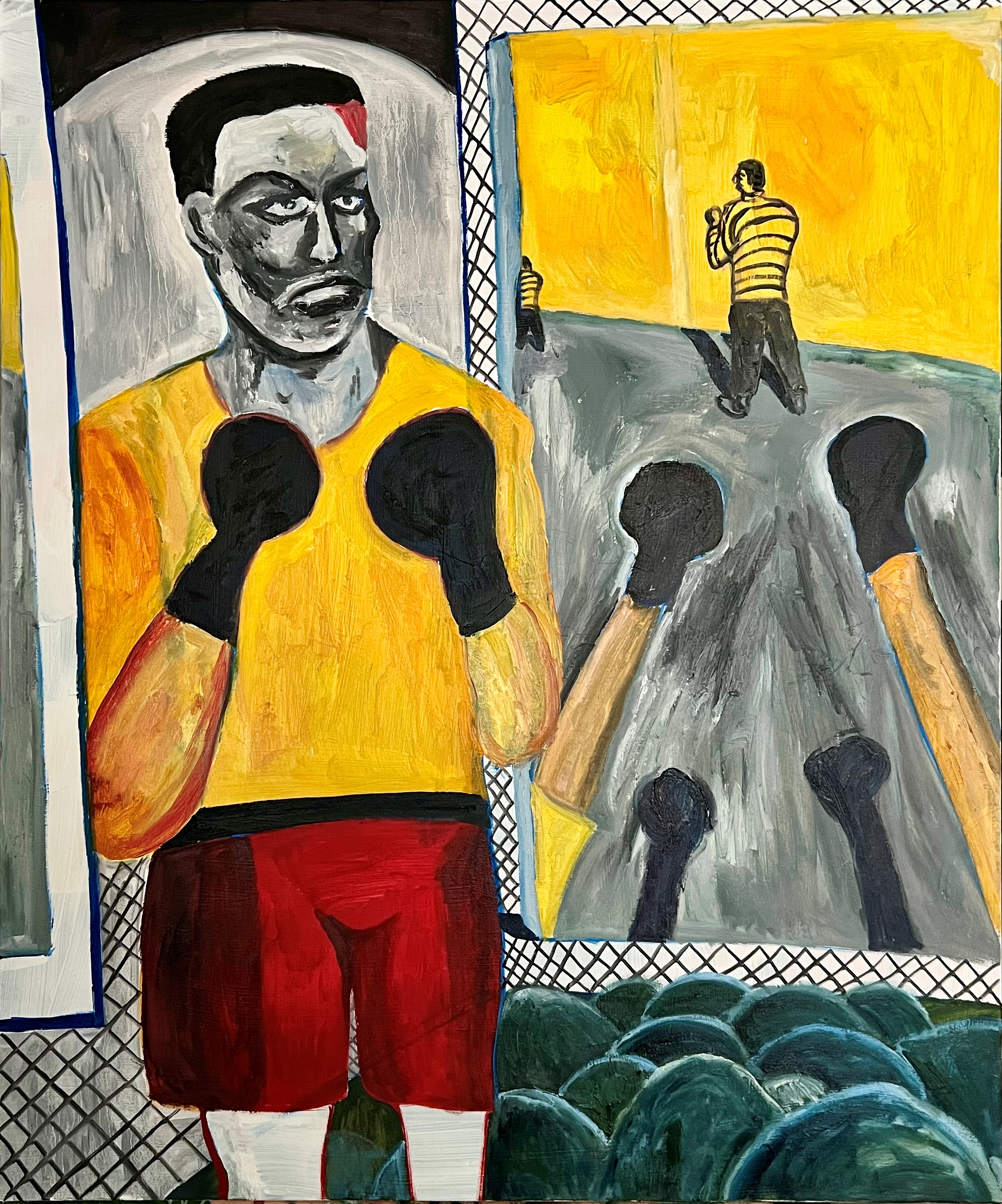
2024
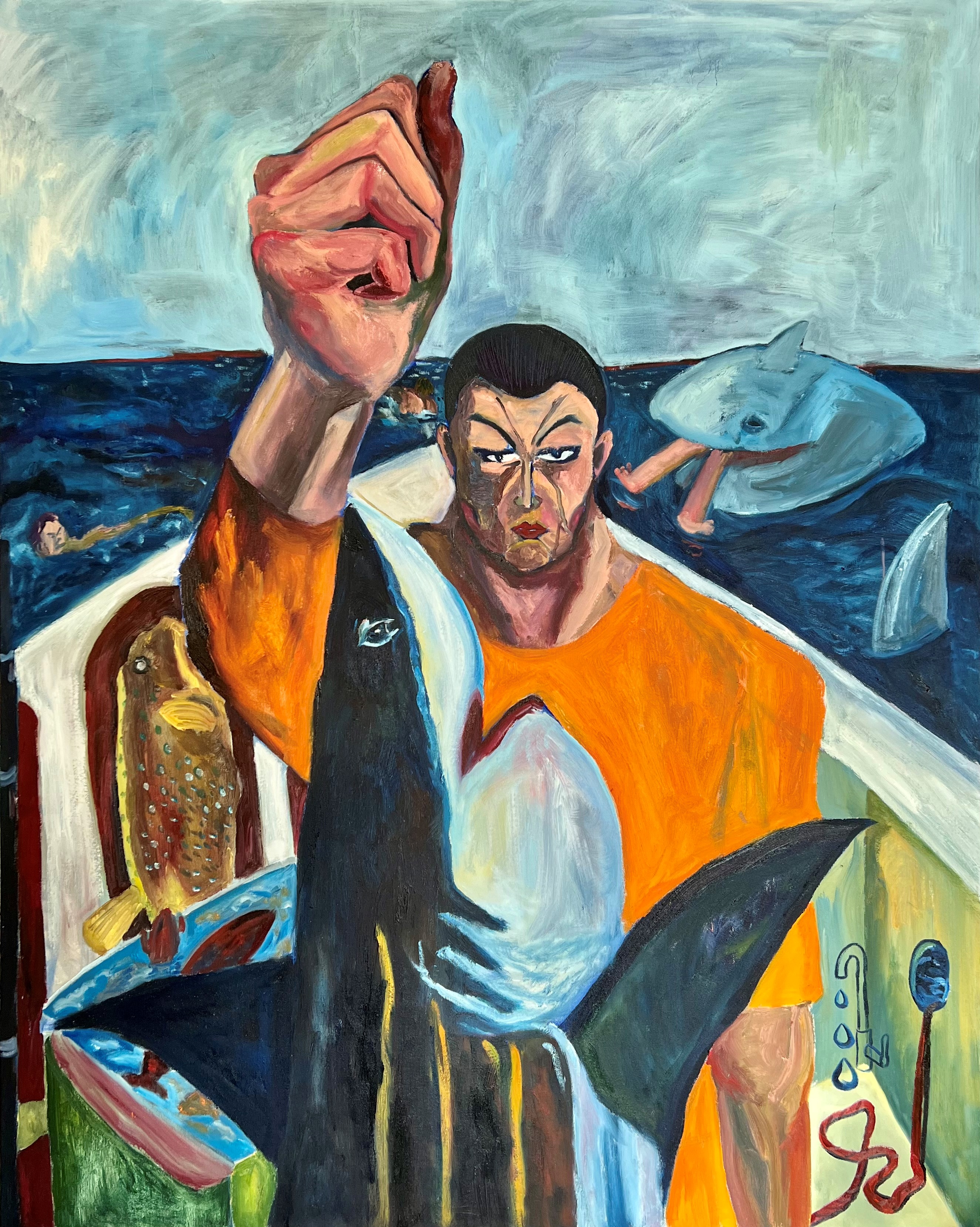
2024
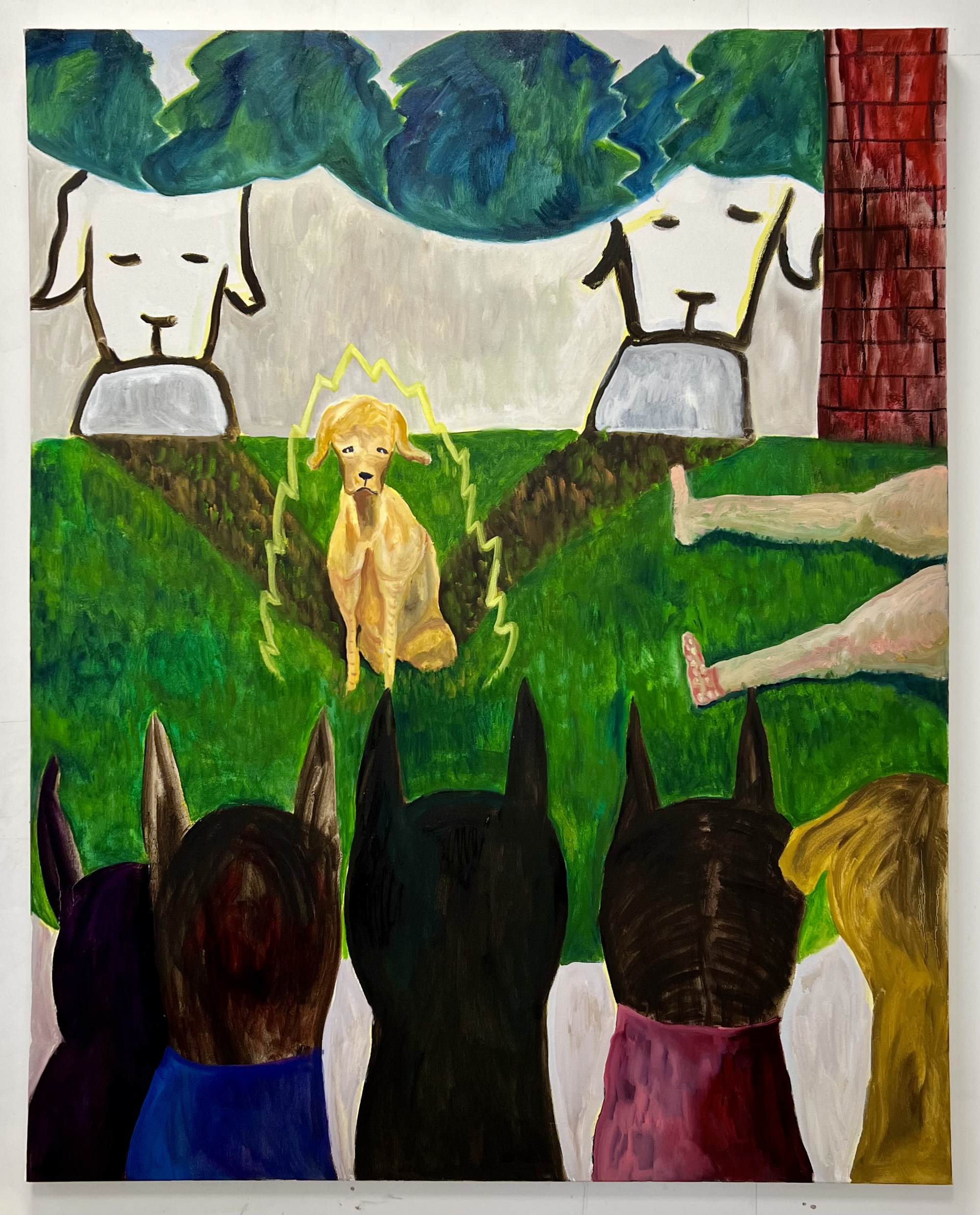
120 x 150 cm, 2023
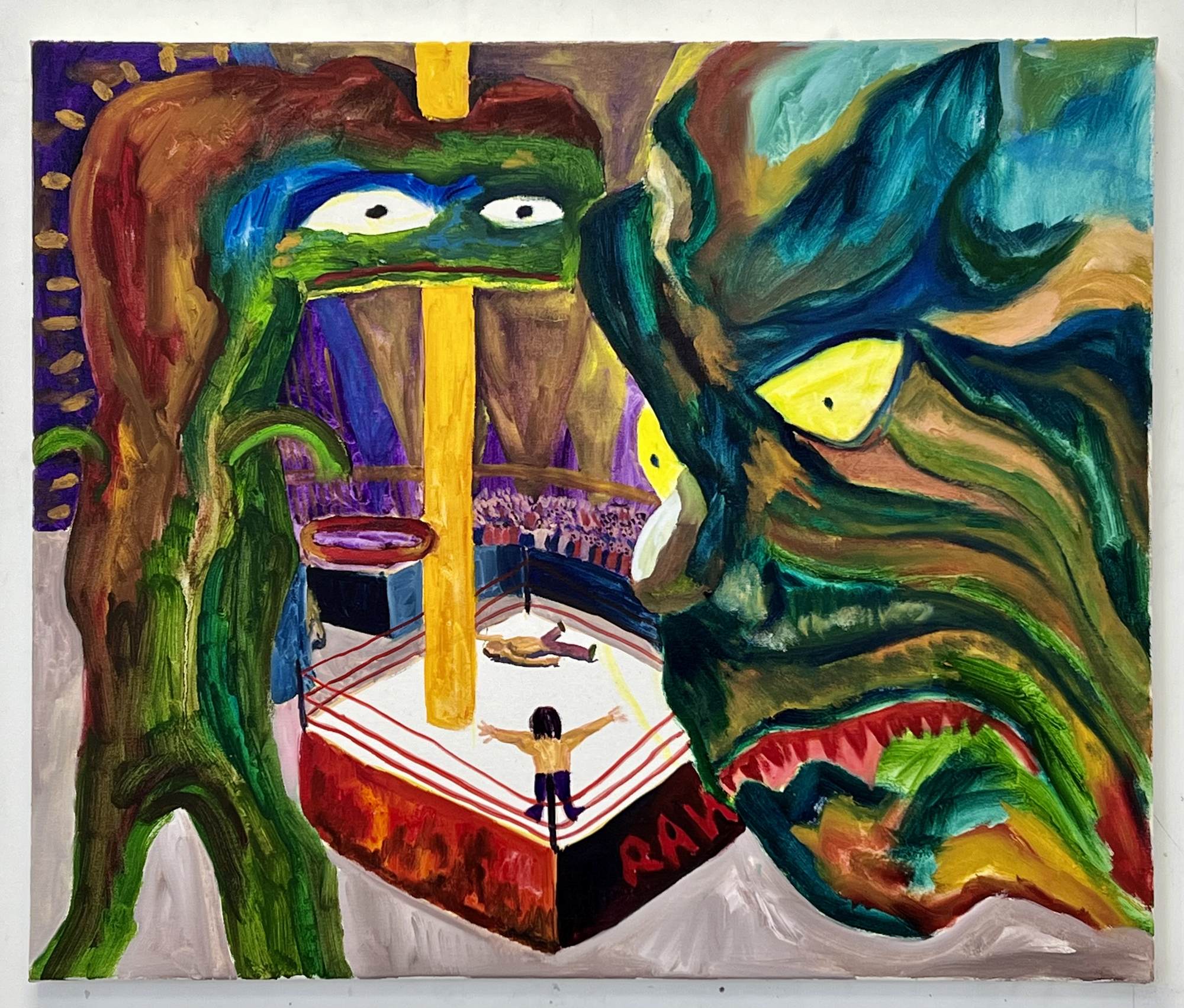
90 x 76 cm, 2023
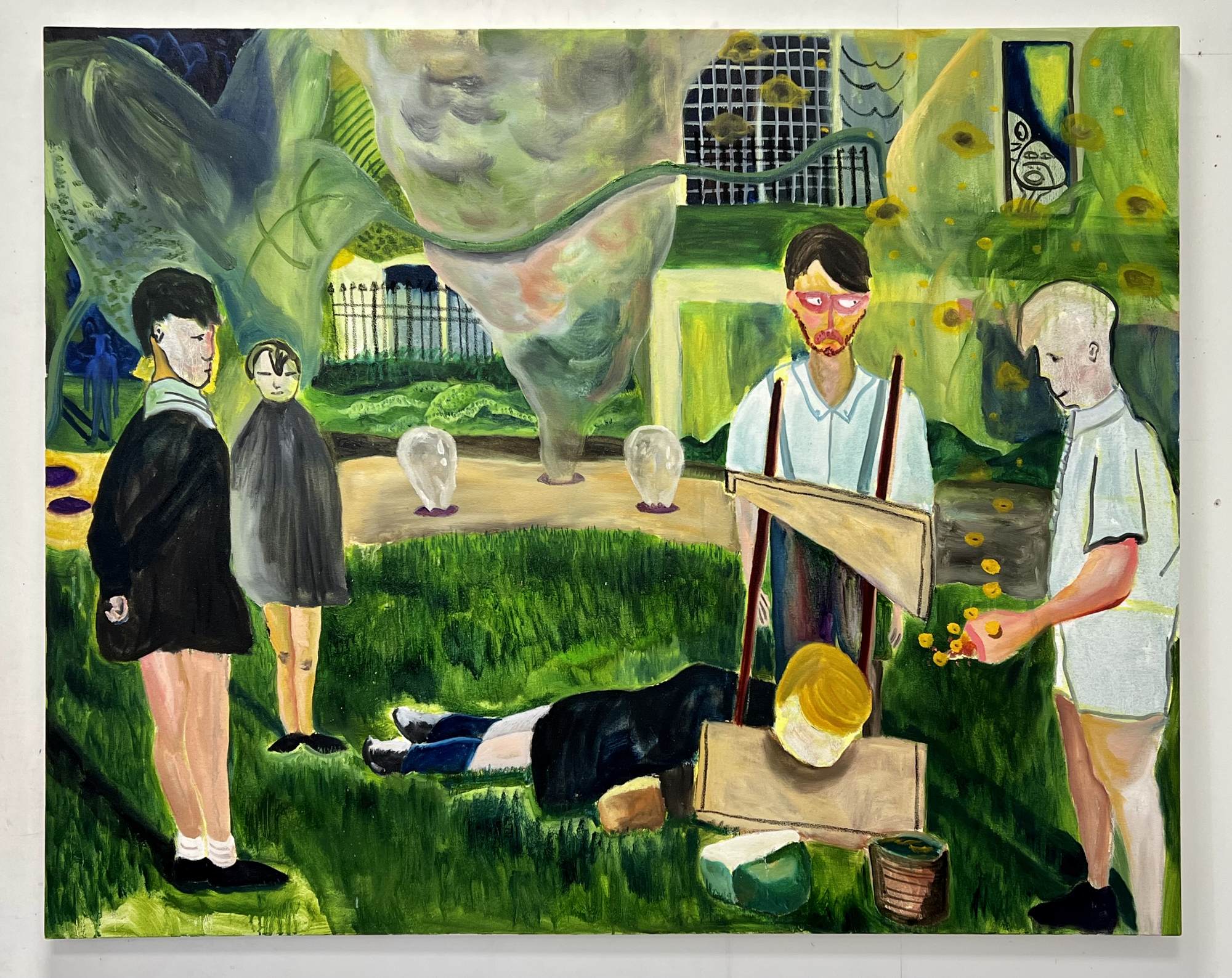
120 x 150 cm, 2023
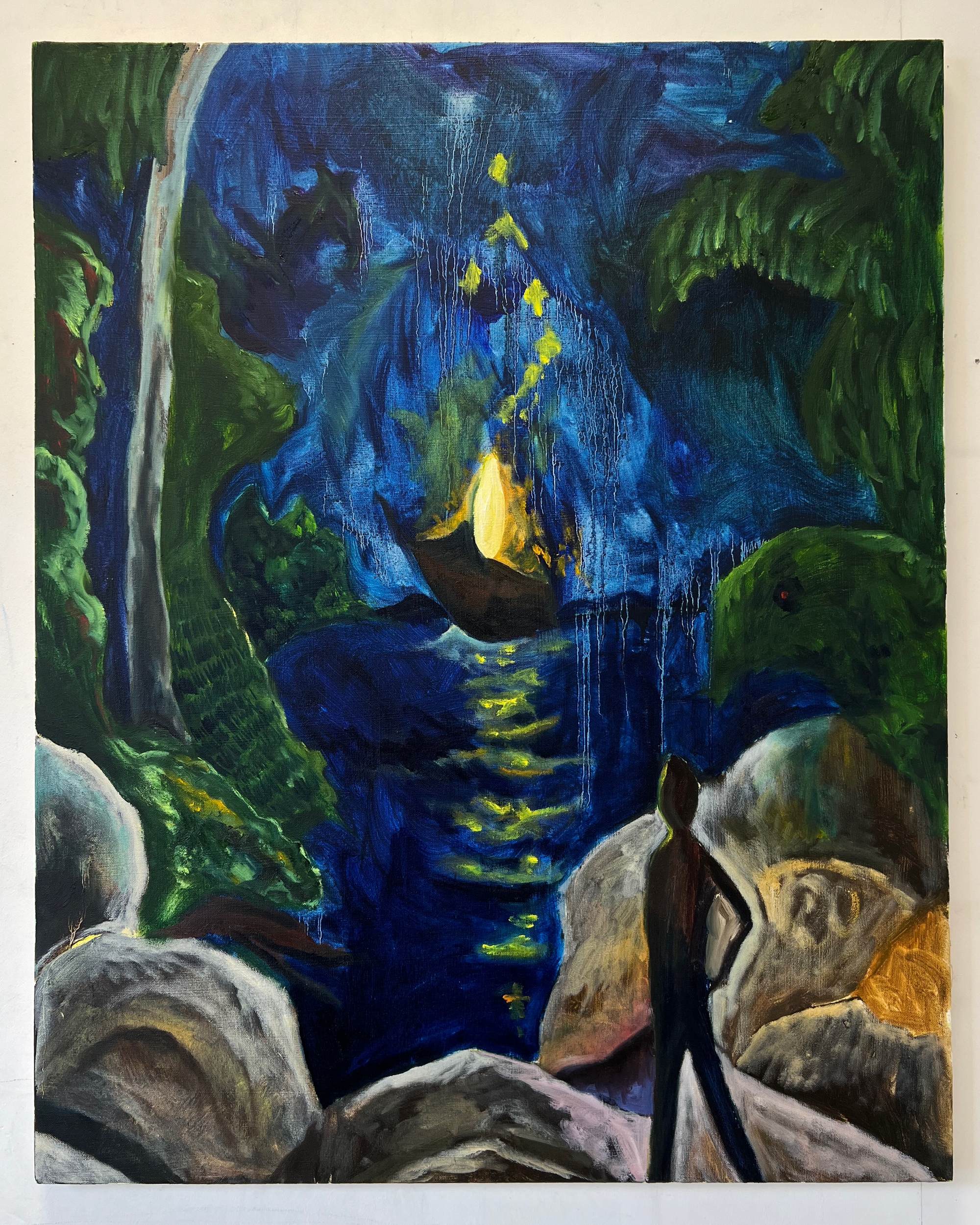
80 x 100 cm, 2023
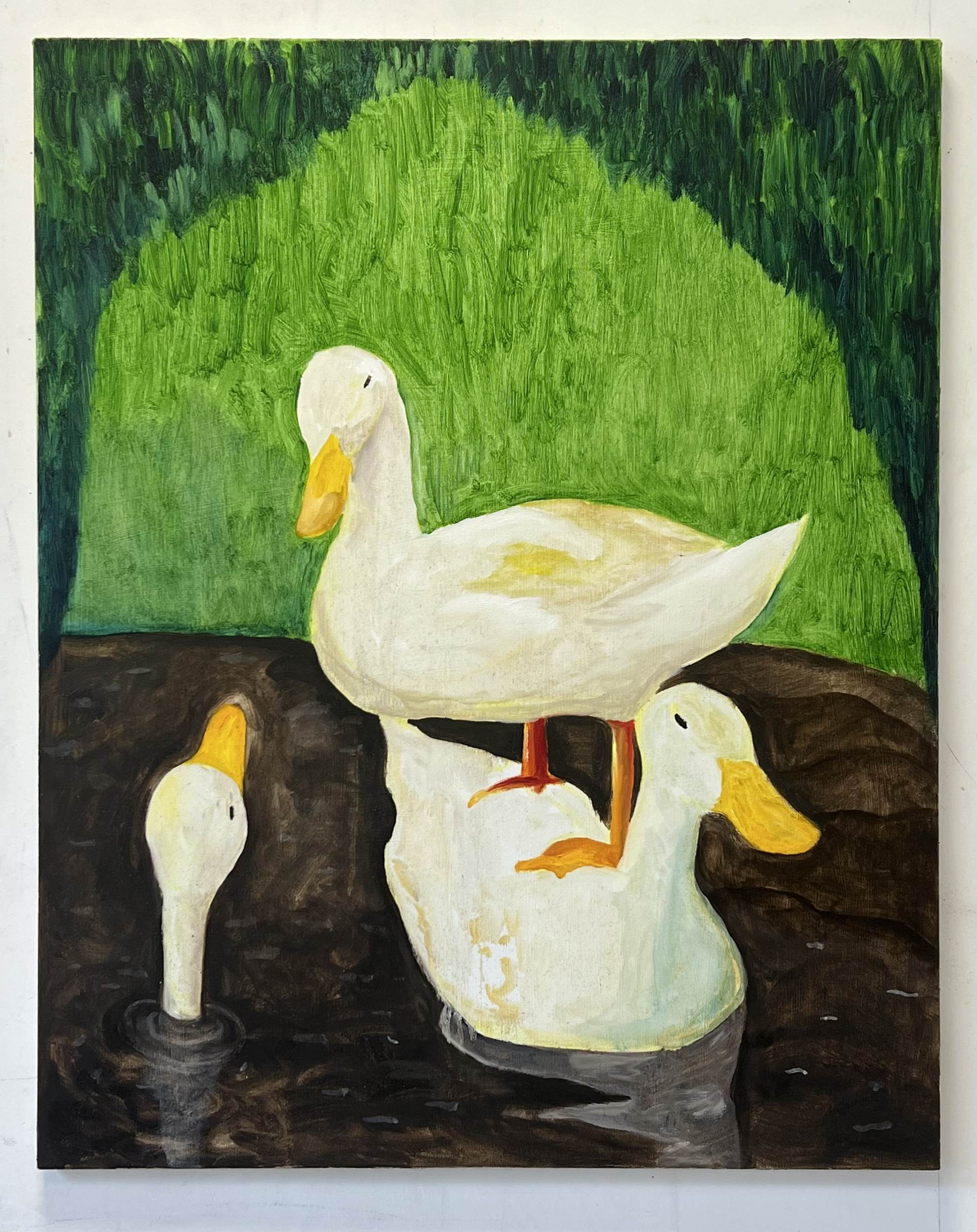
80 x 100 cm, 2023
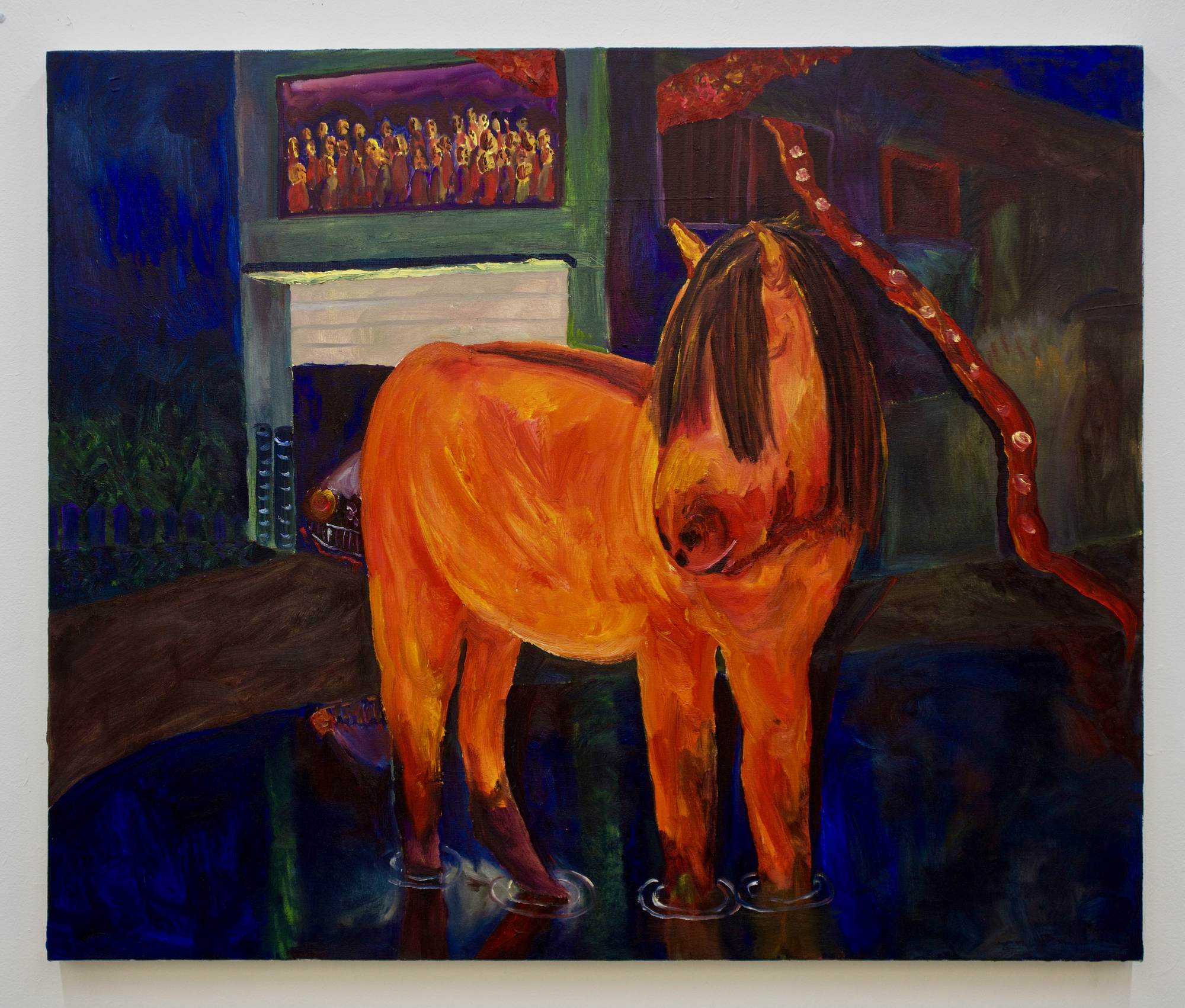
100 x 120 cm, 2023
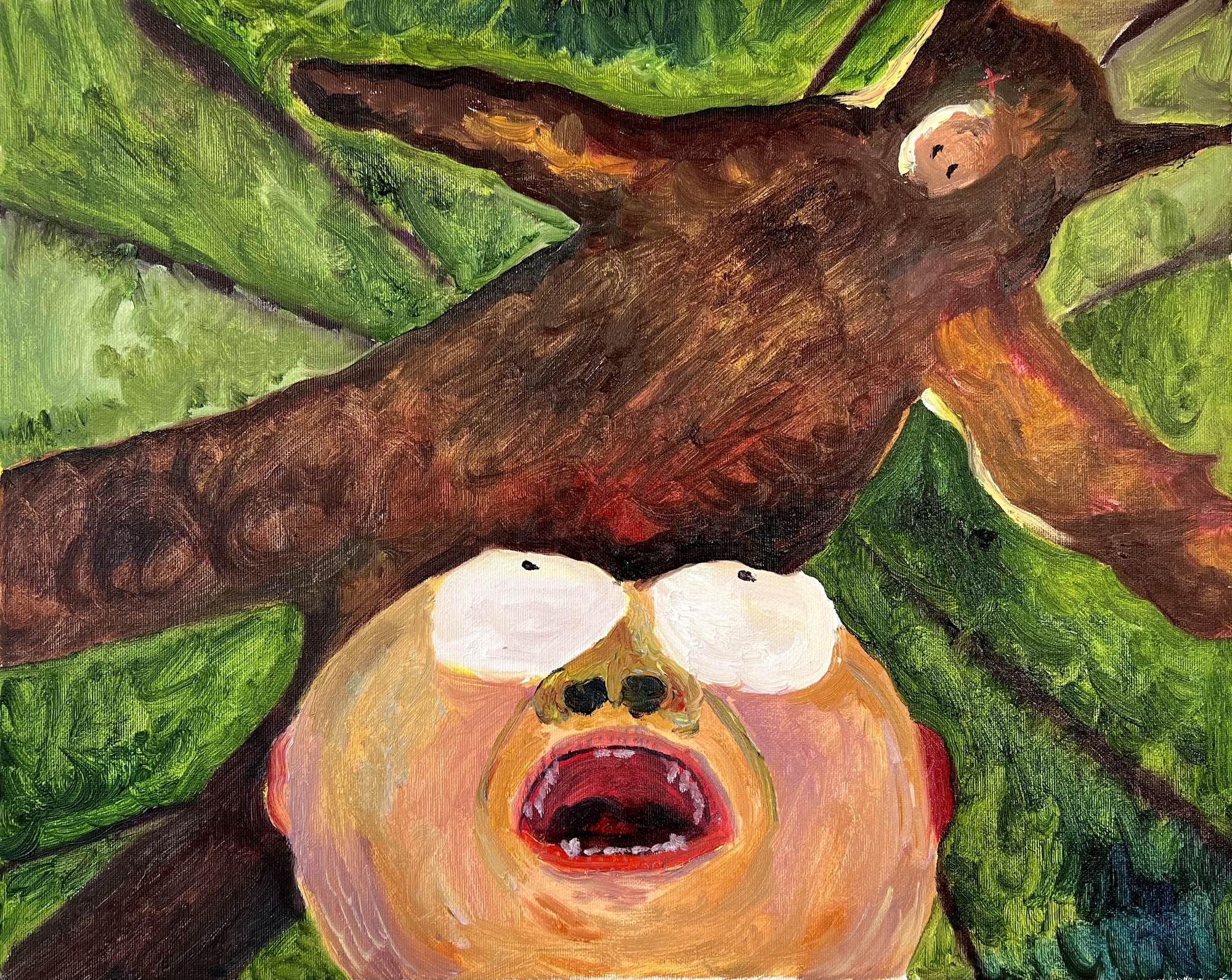
40 x 50 cm, 2023
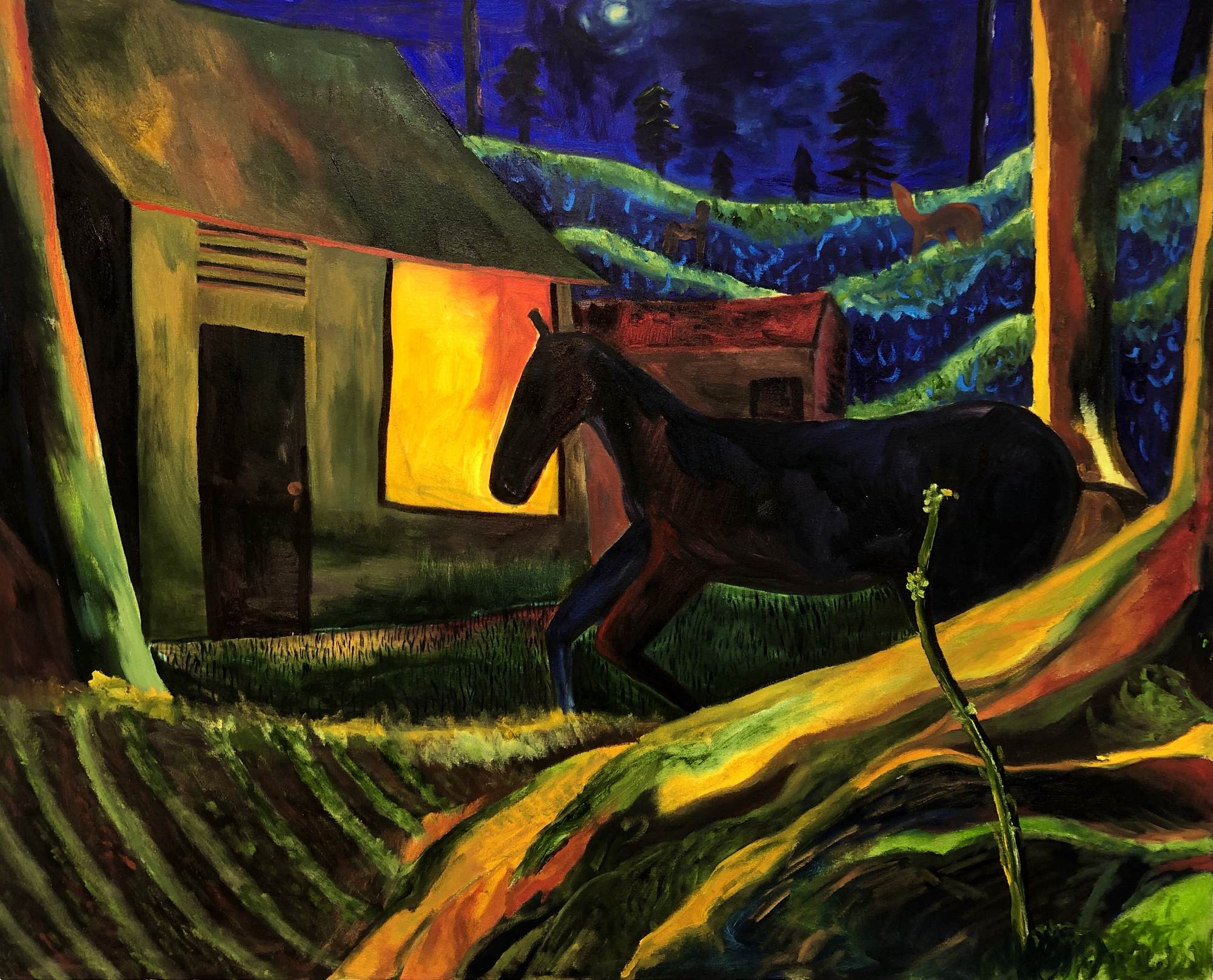
100 x 120 cm, 2022
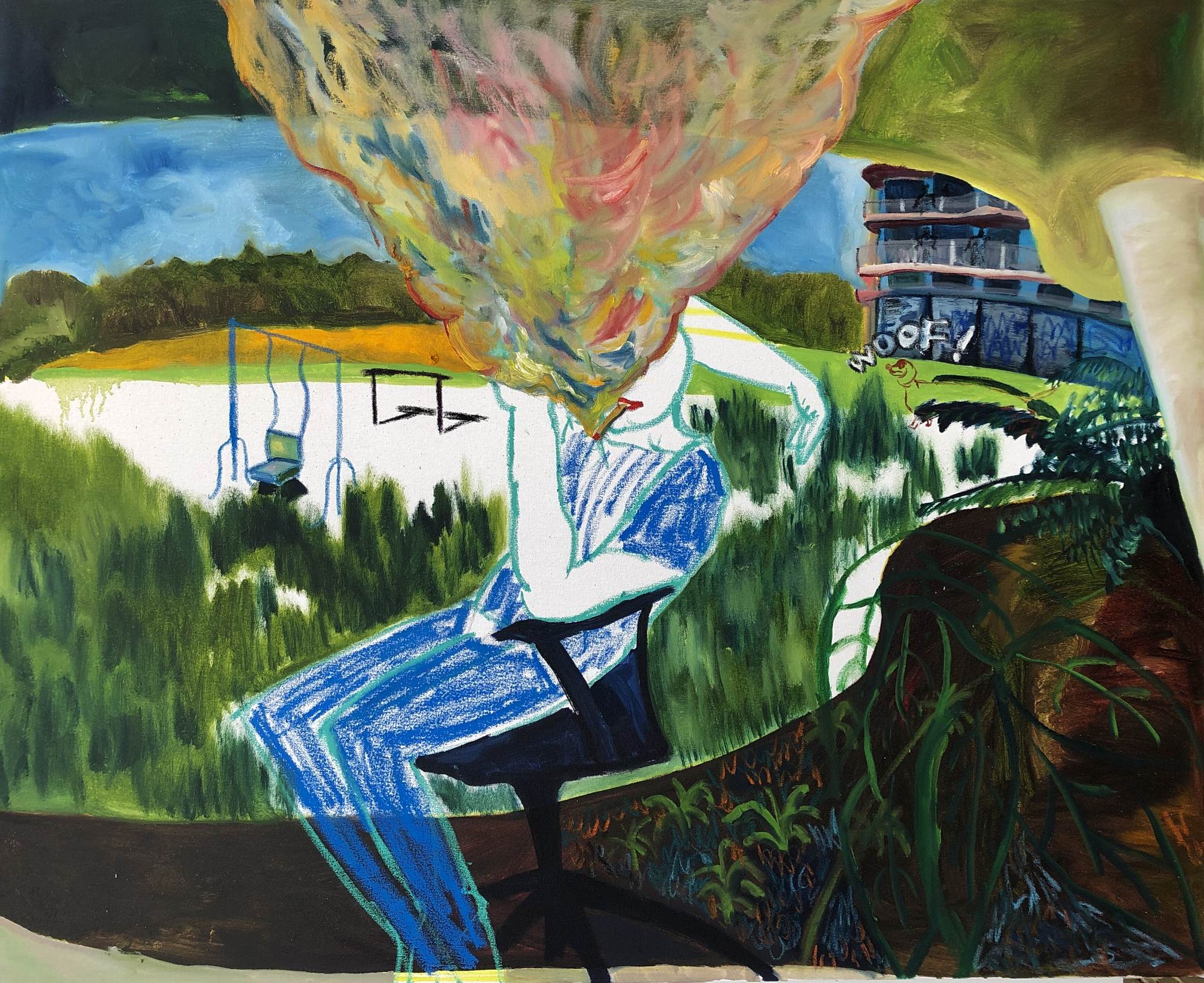
120 x 150 cm, 2022
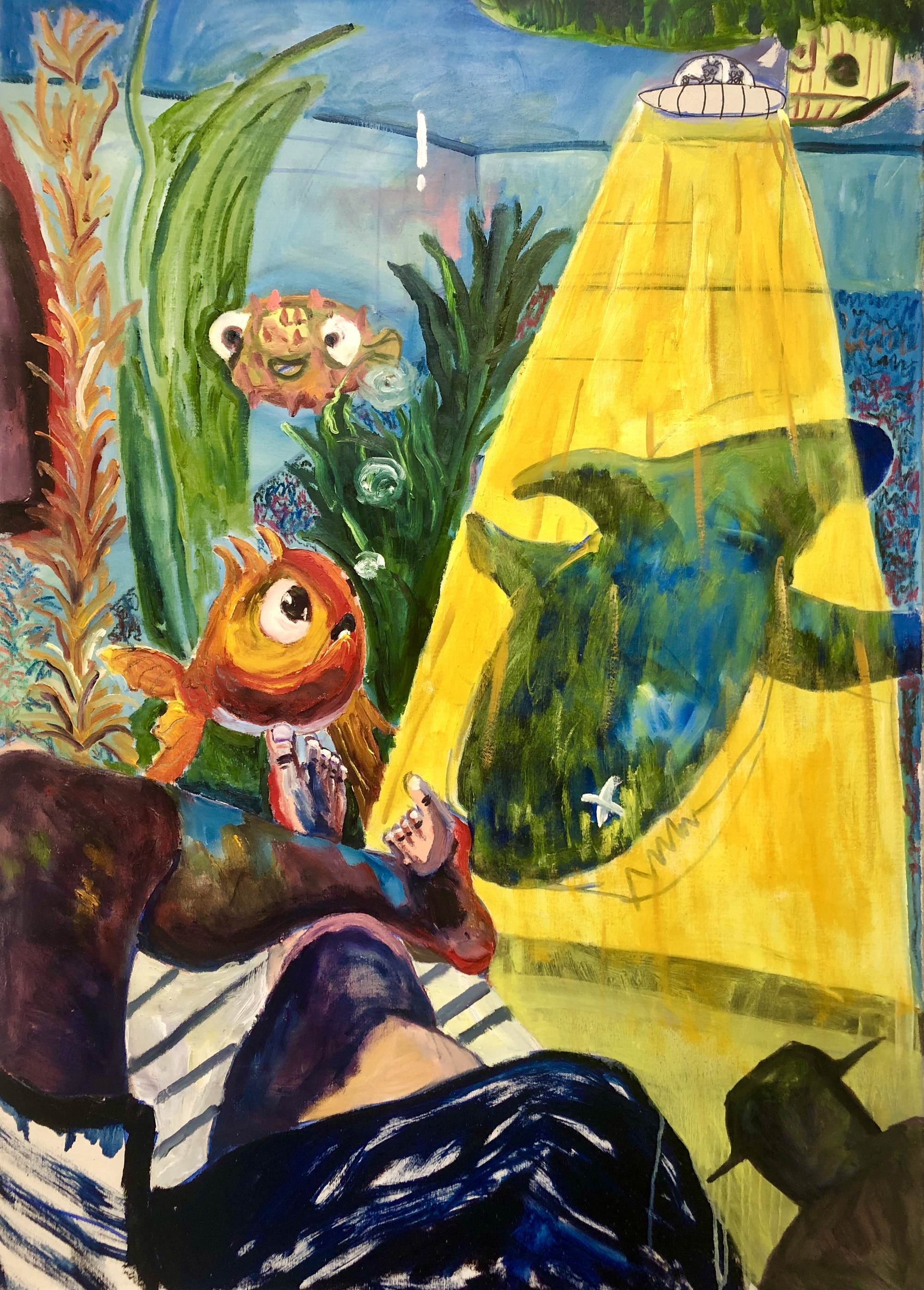
120 x 150 cm, 2022
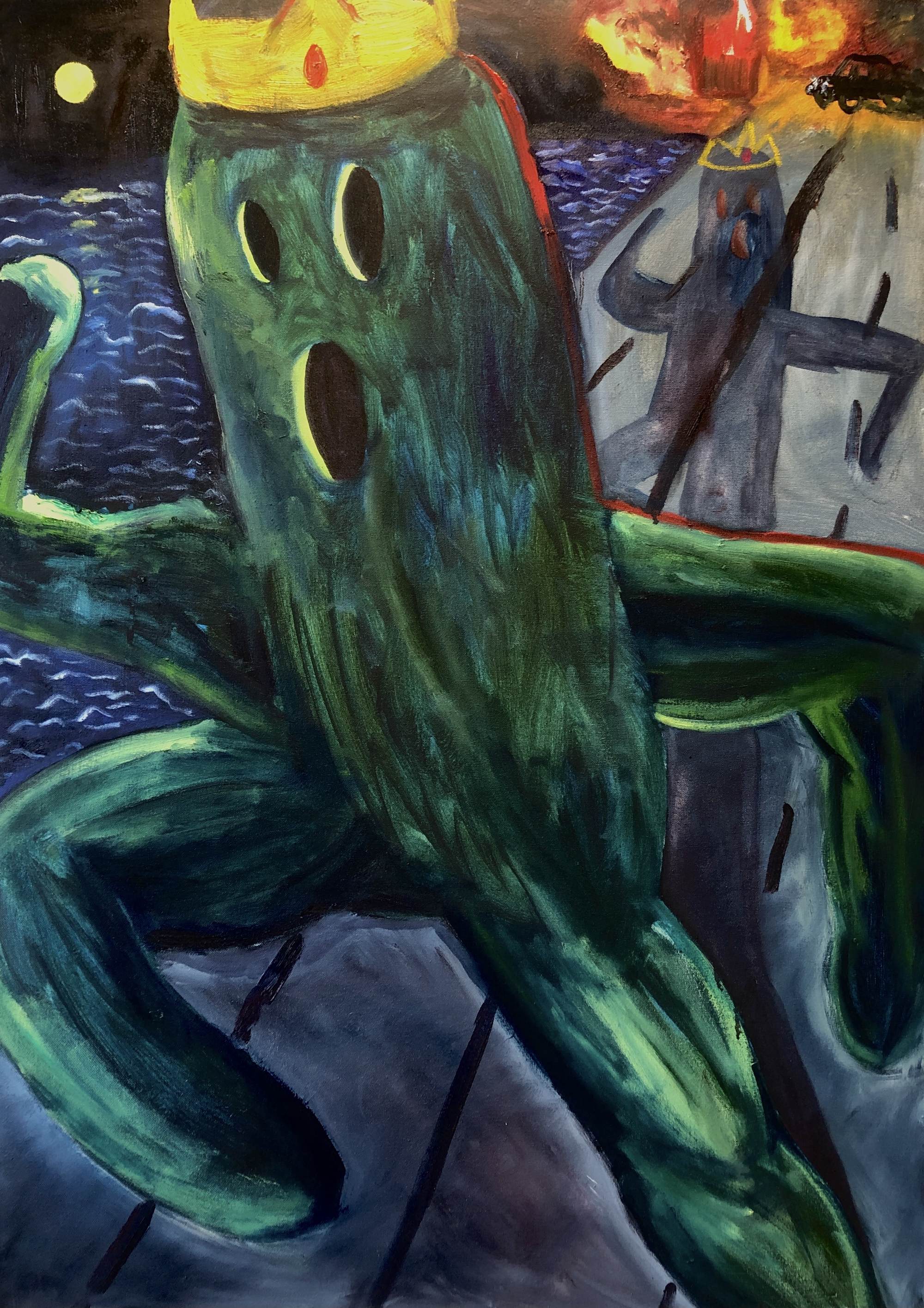
80 x 100 cm, 2022
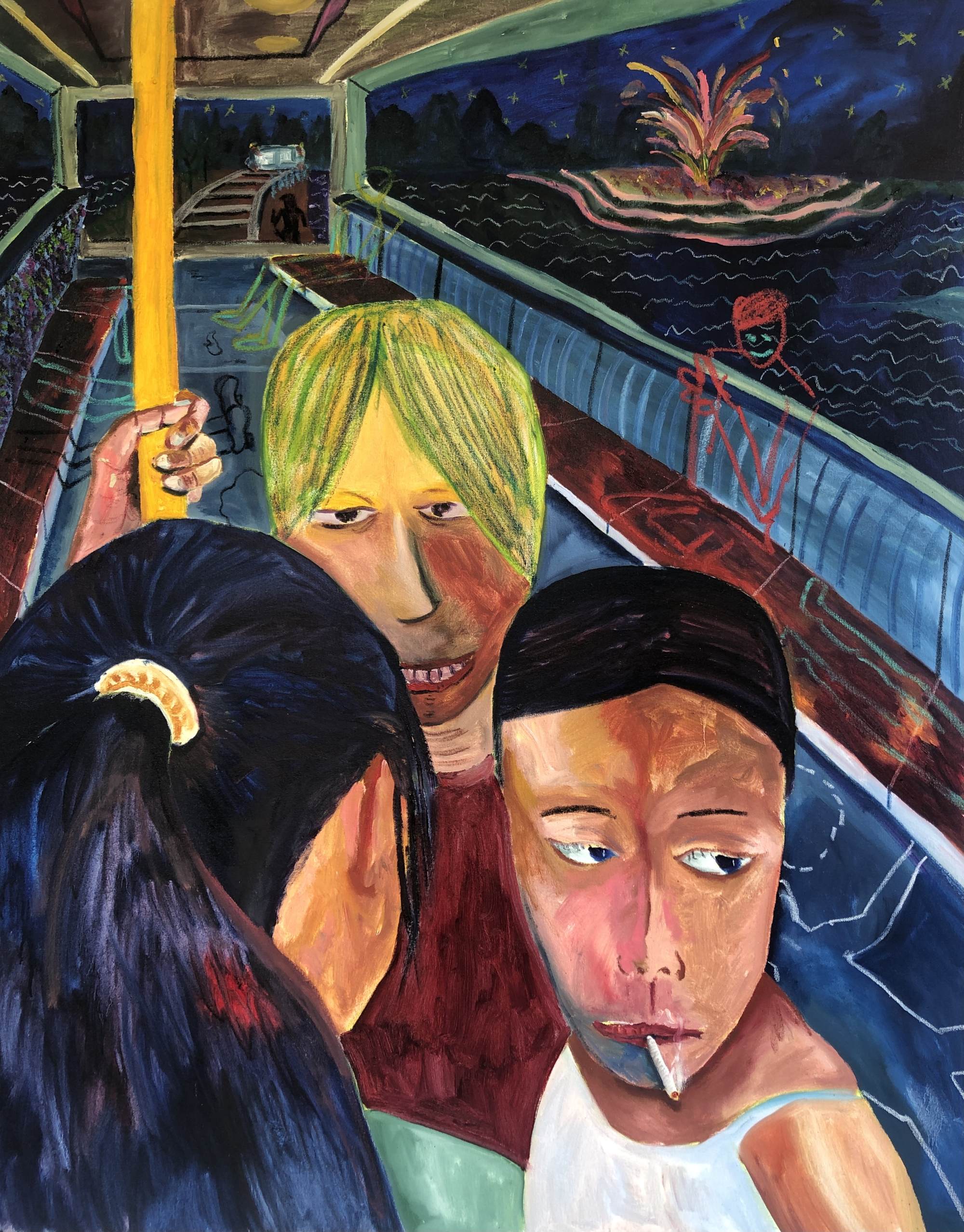
120 x 150 cm, 2022
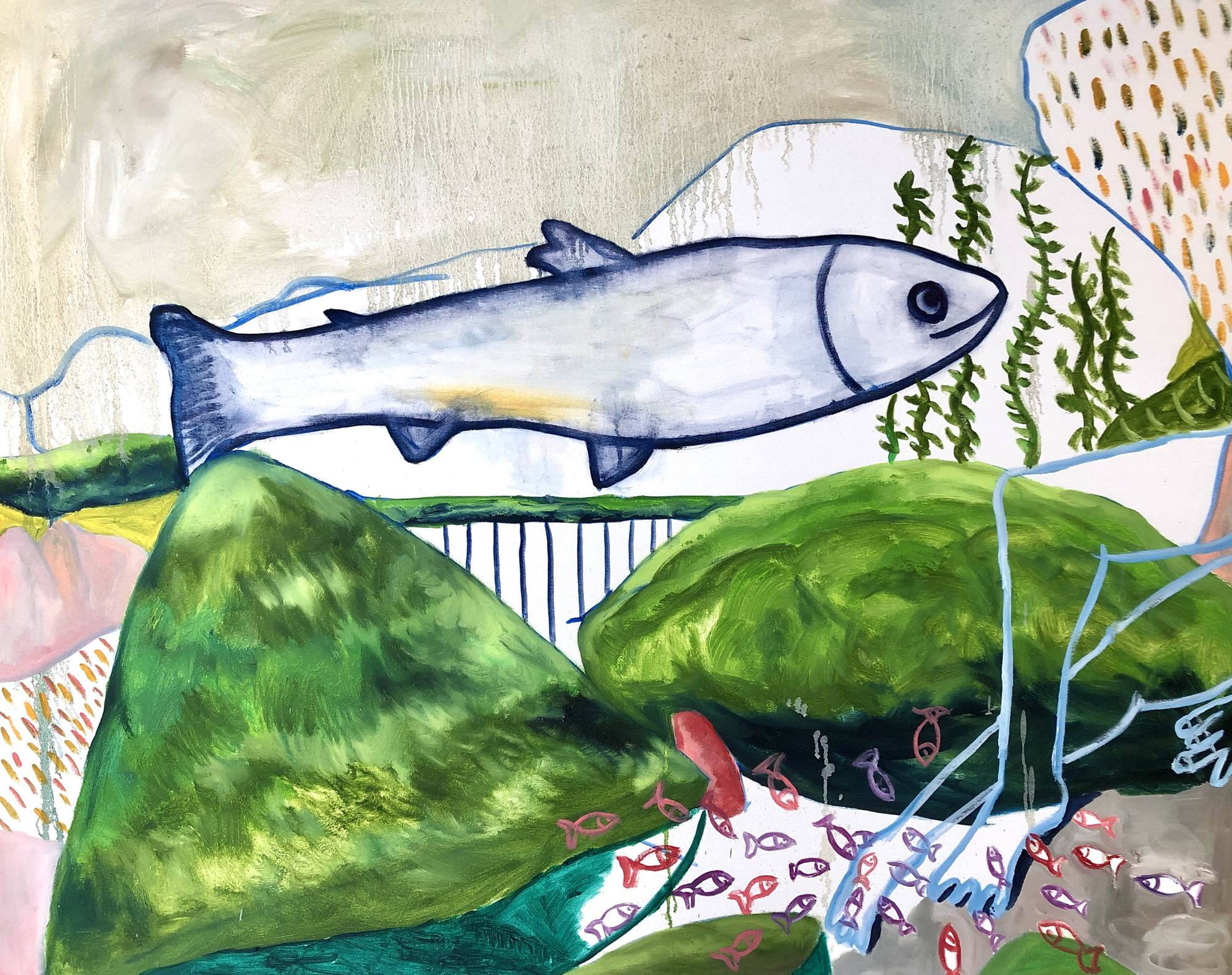
120 x 150 cm, 2022
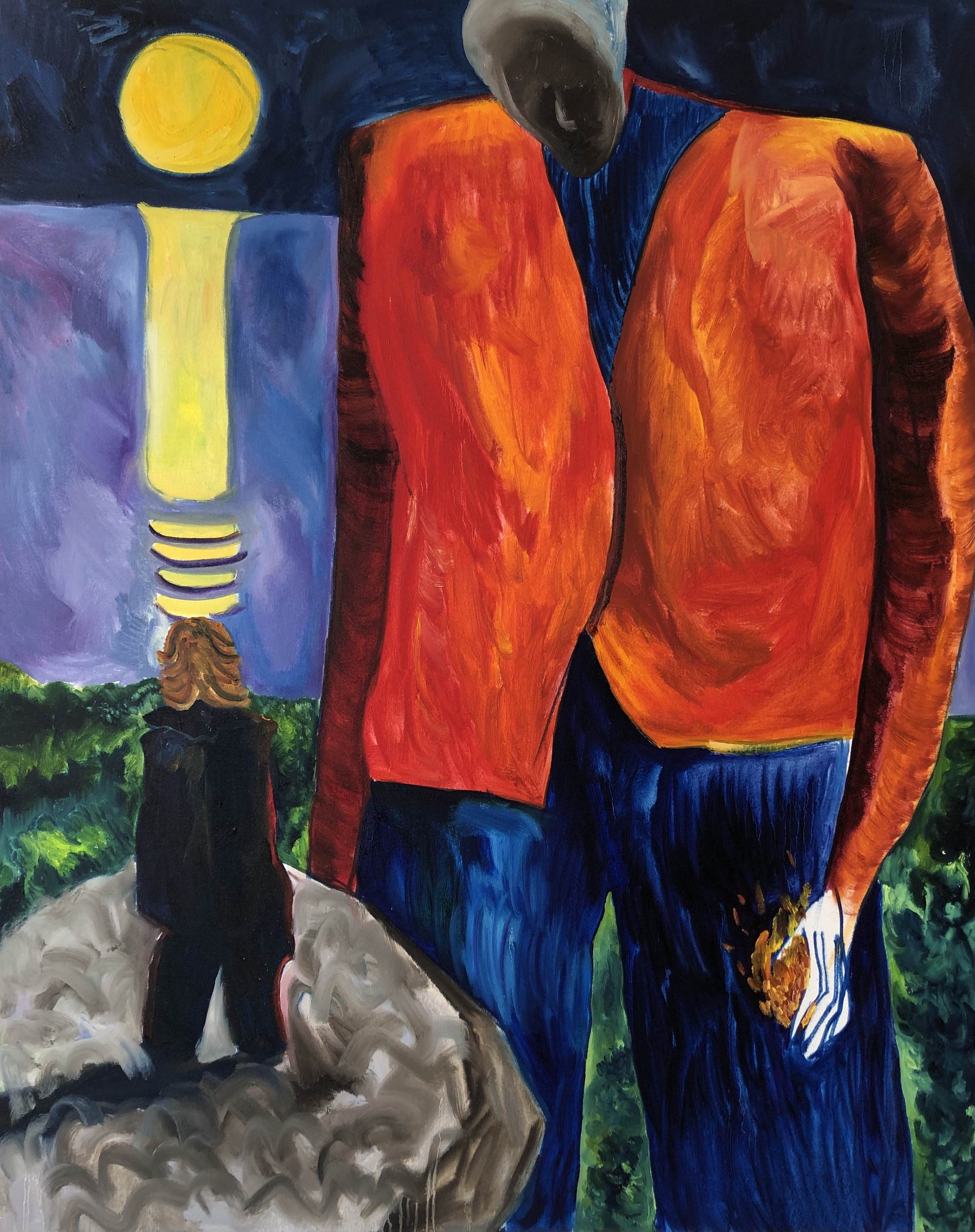
120 x 150 cm, 2022
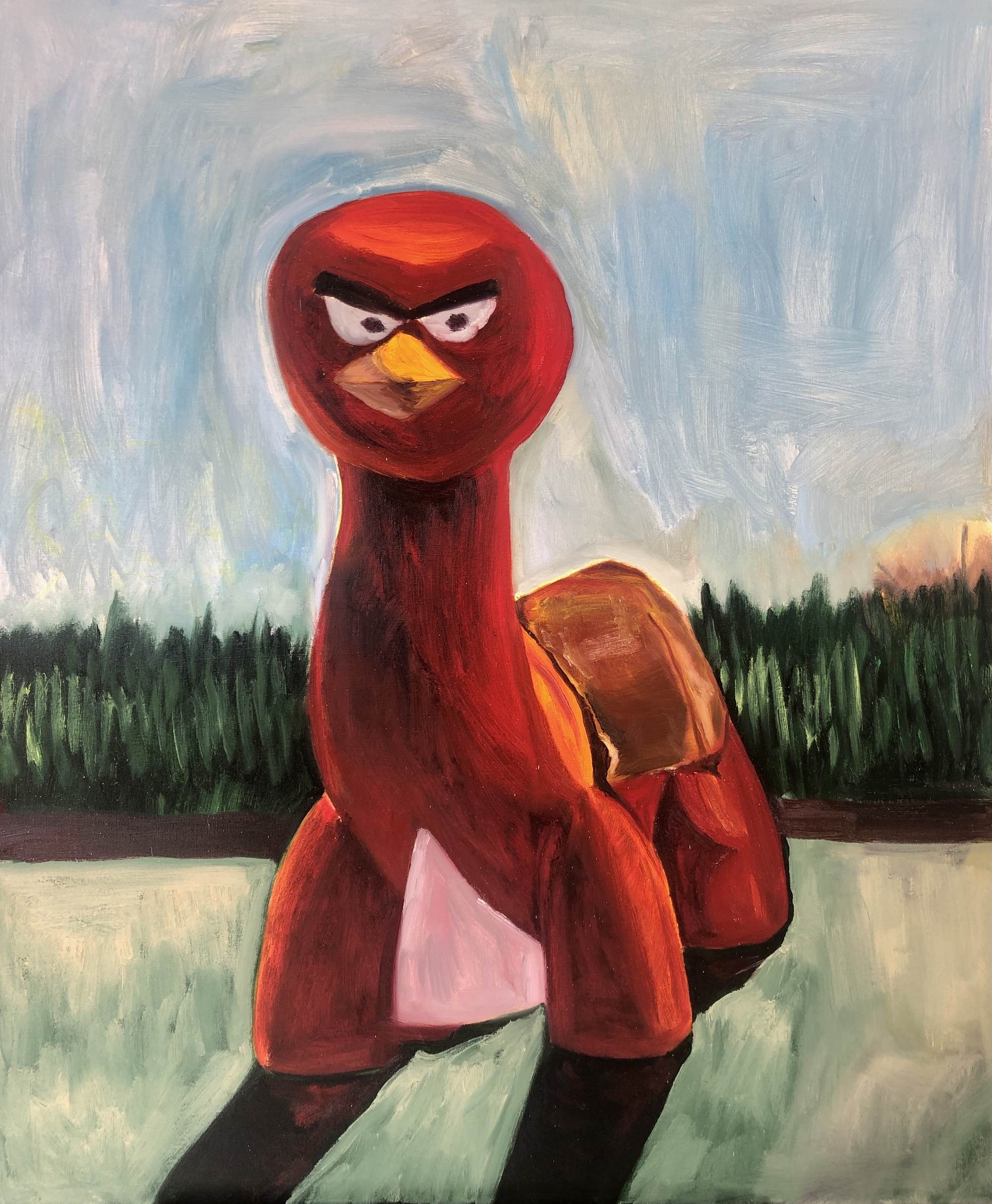
80 x 100 cm, 2022
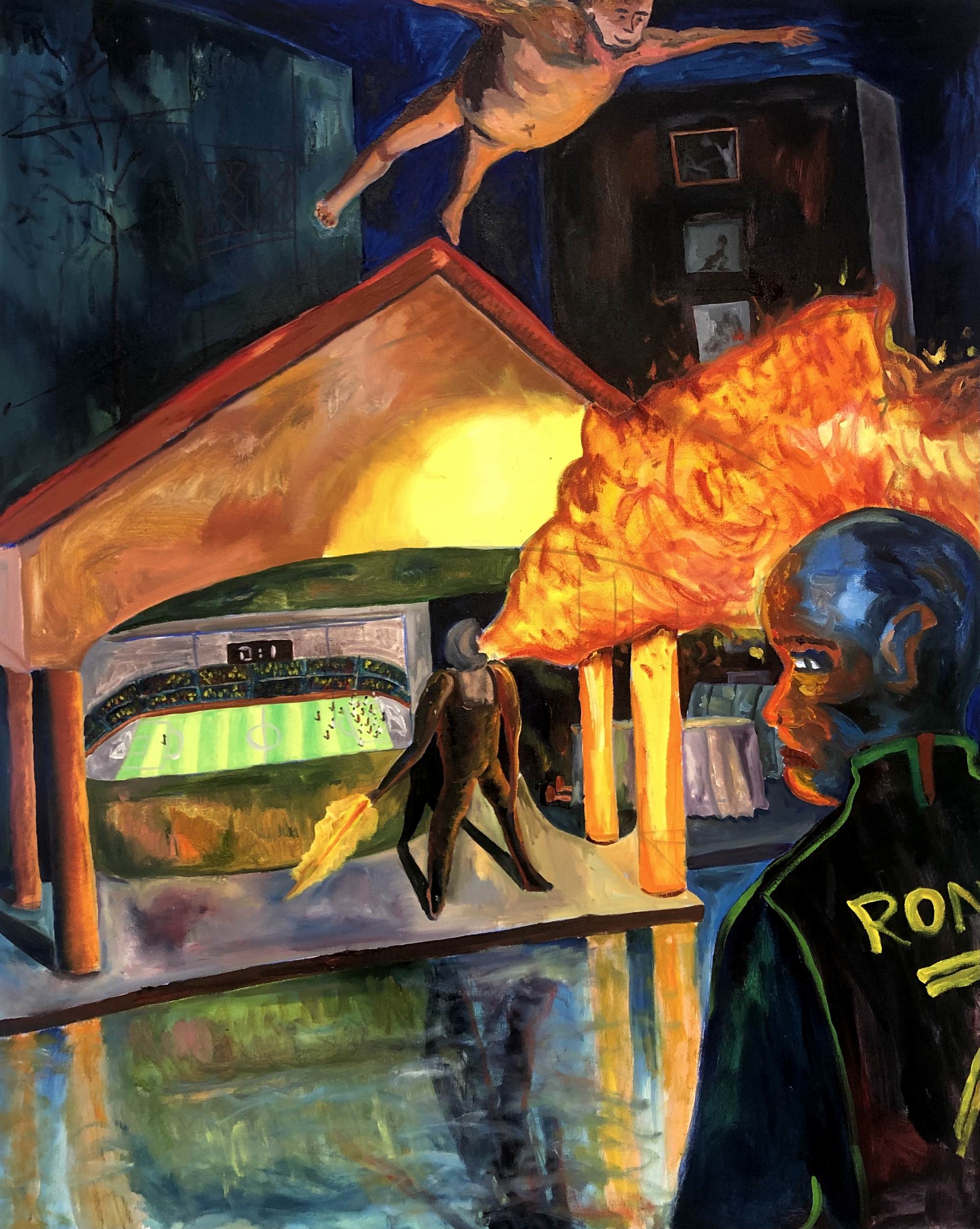
120 x 150 cm, 2021
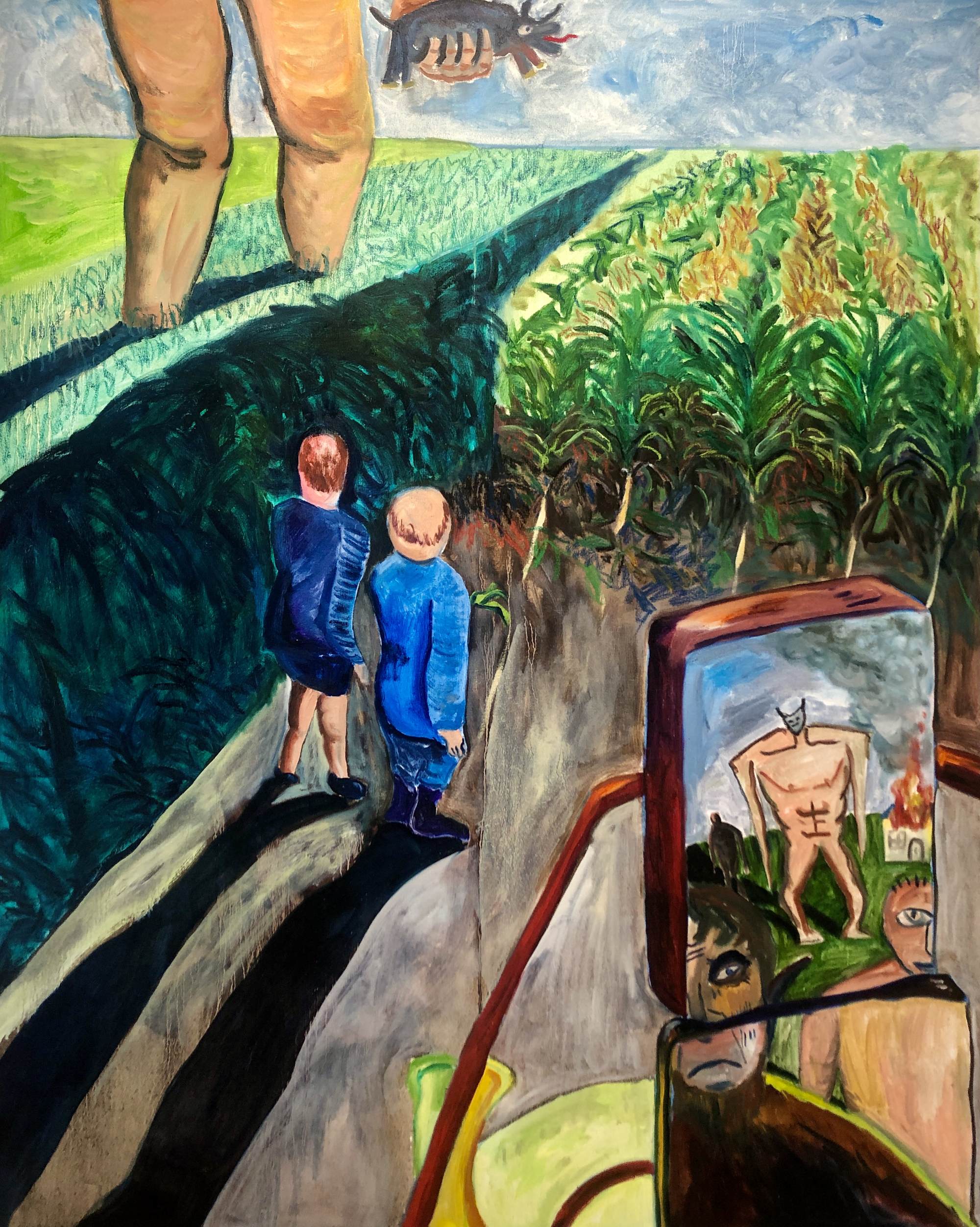
120 x 150 cm, 2021
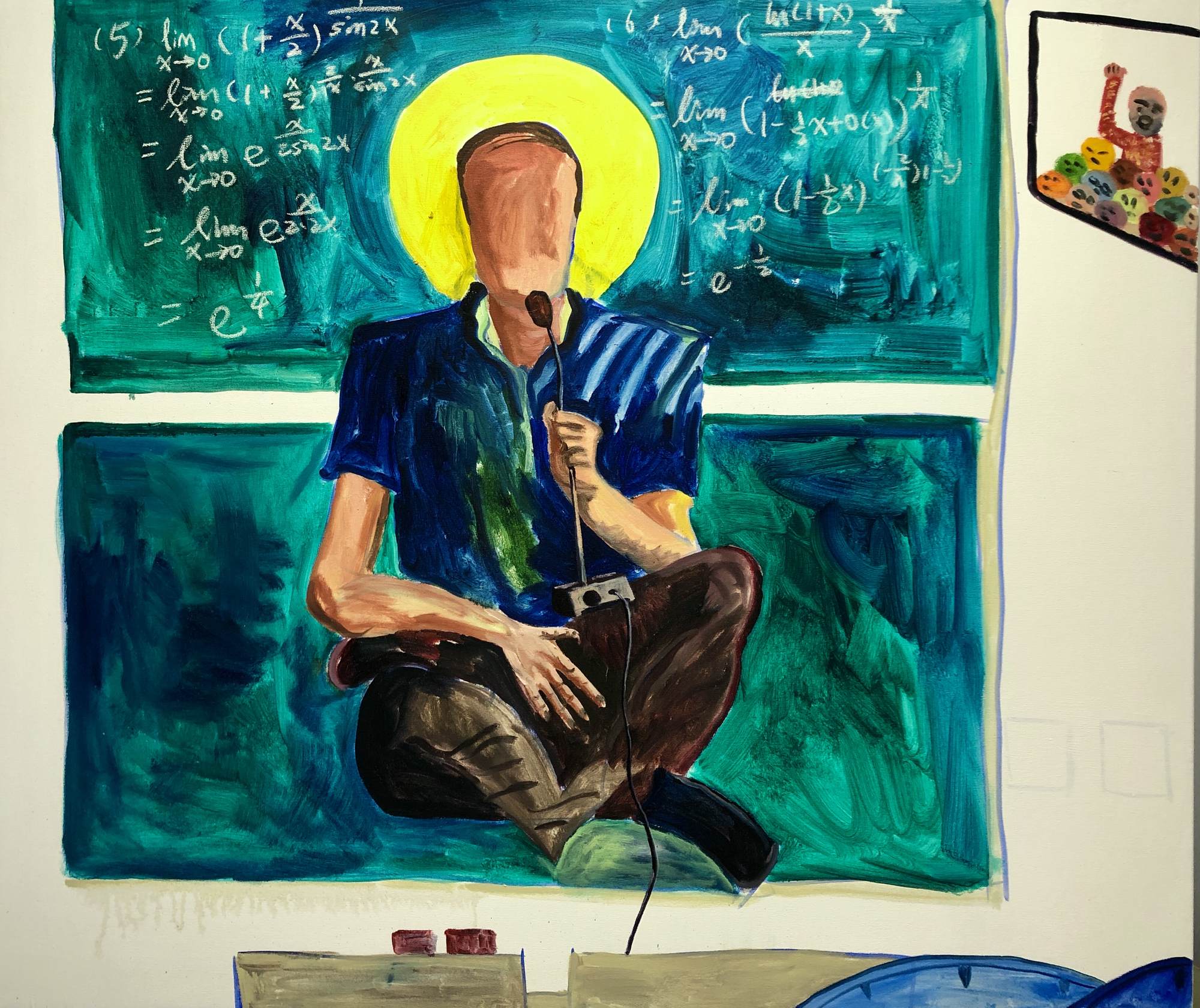
100 x 80 cm, 2021
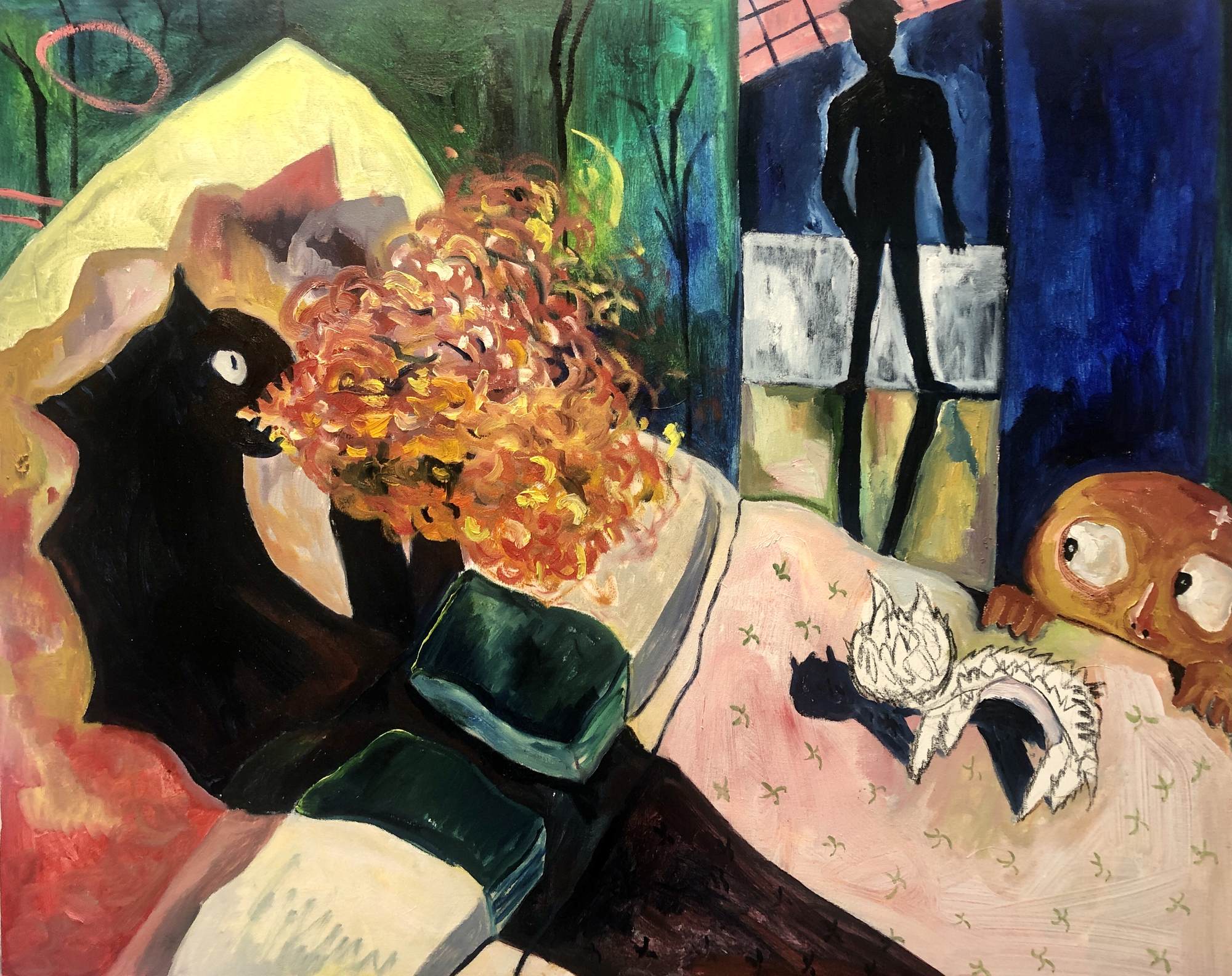
100 x 80 cm, 2021
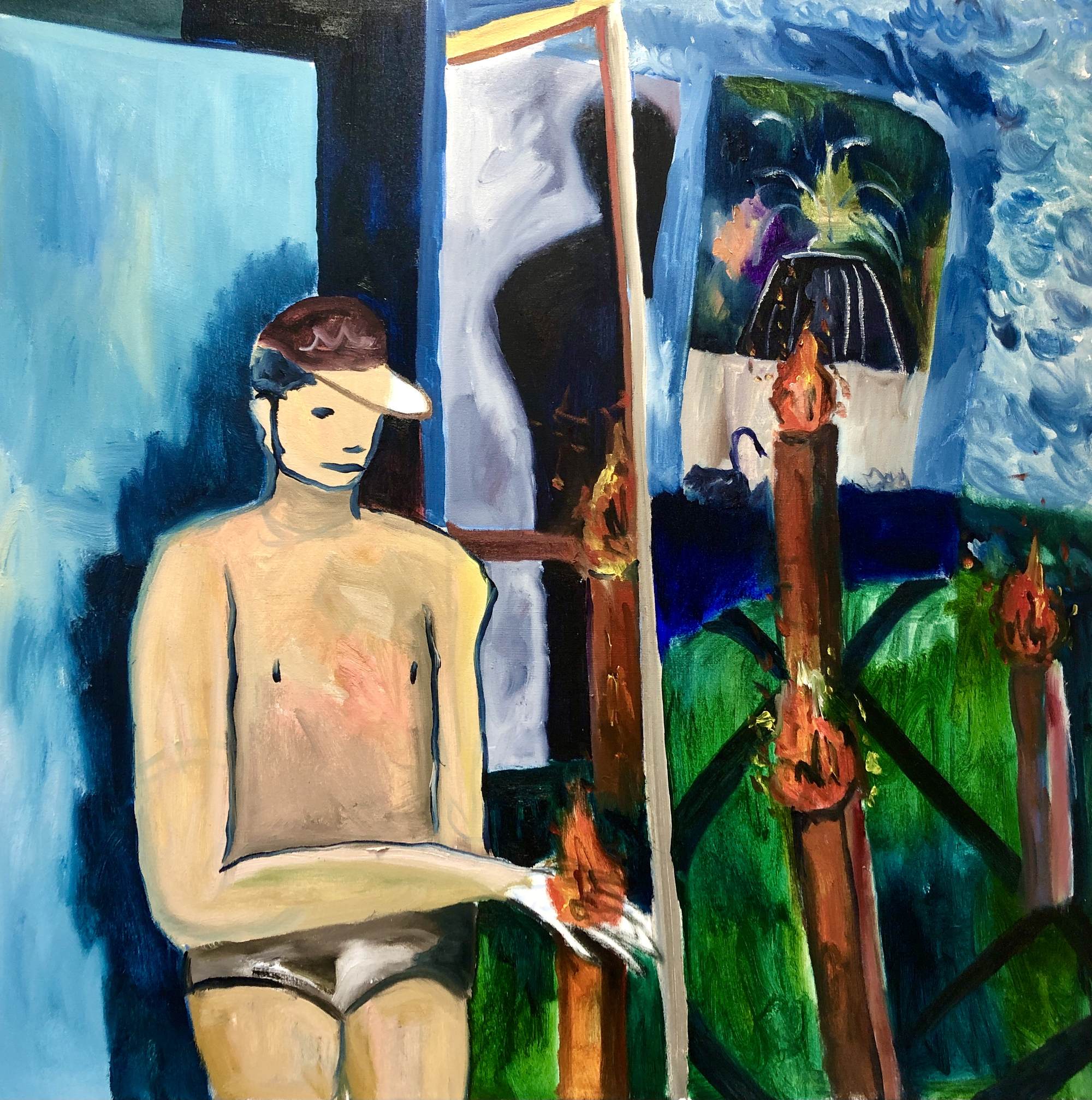
100 x 80 cm, 2021
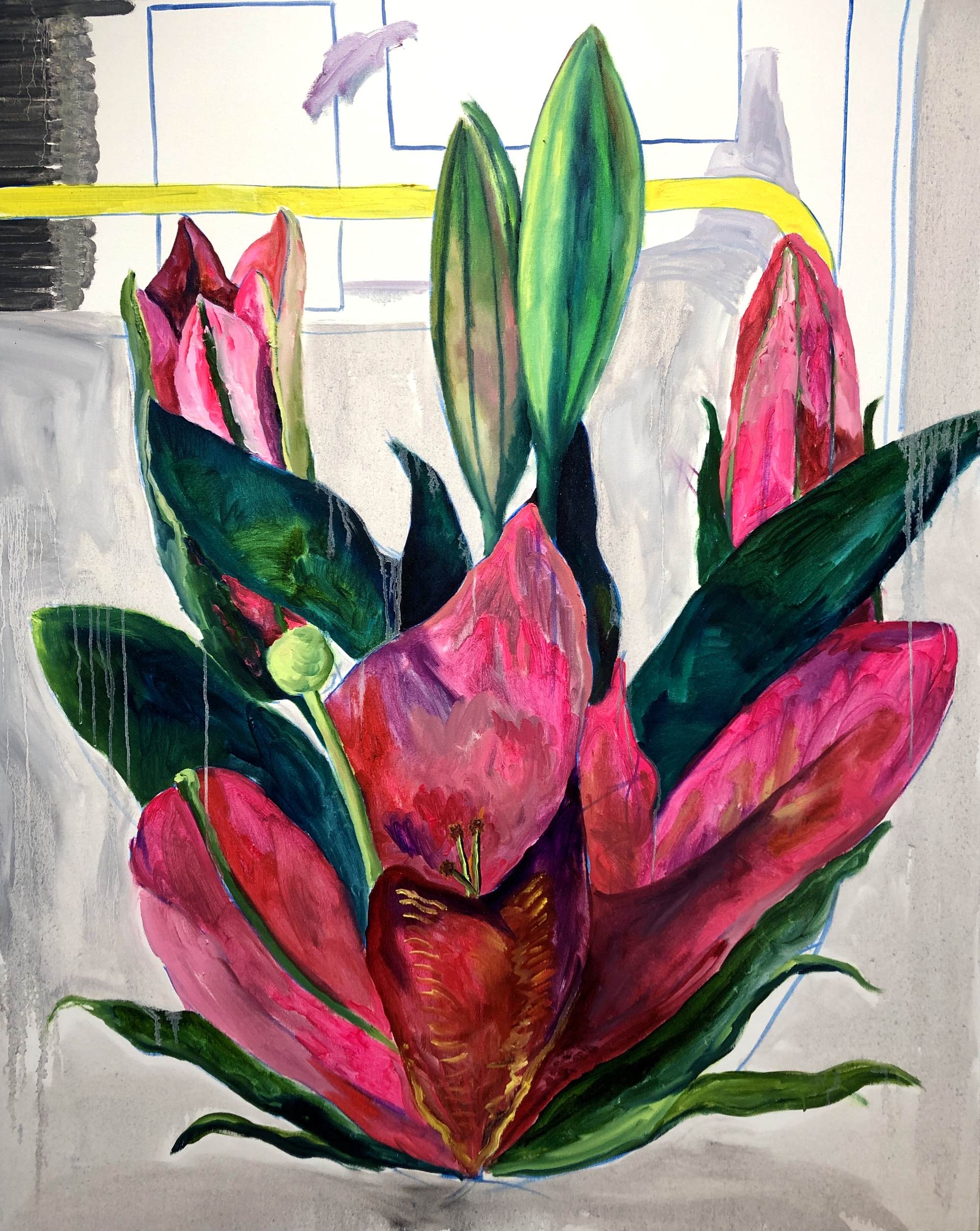
120 x 150 cm, 2021
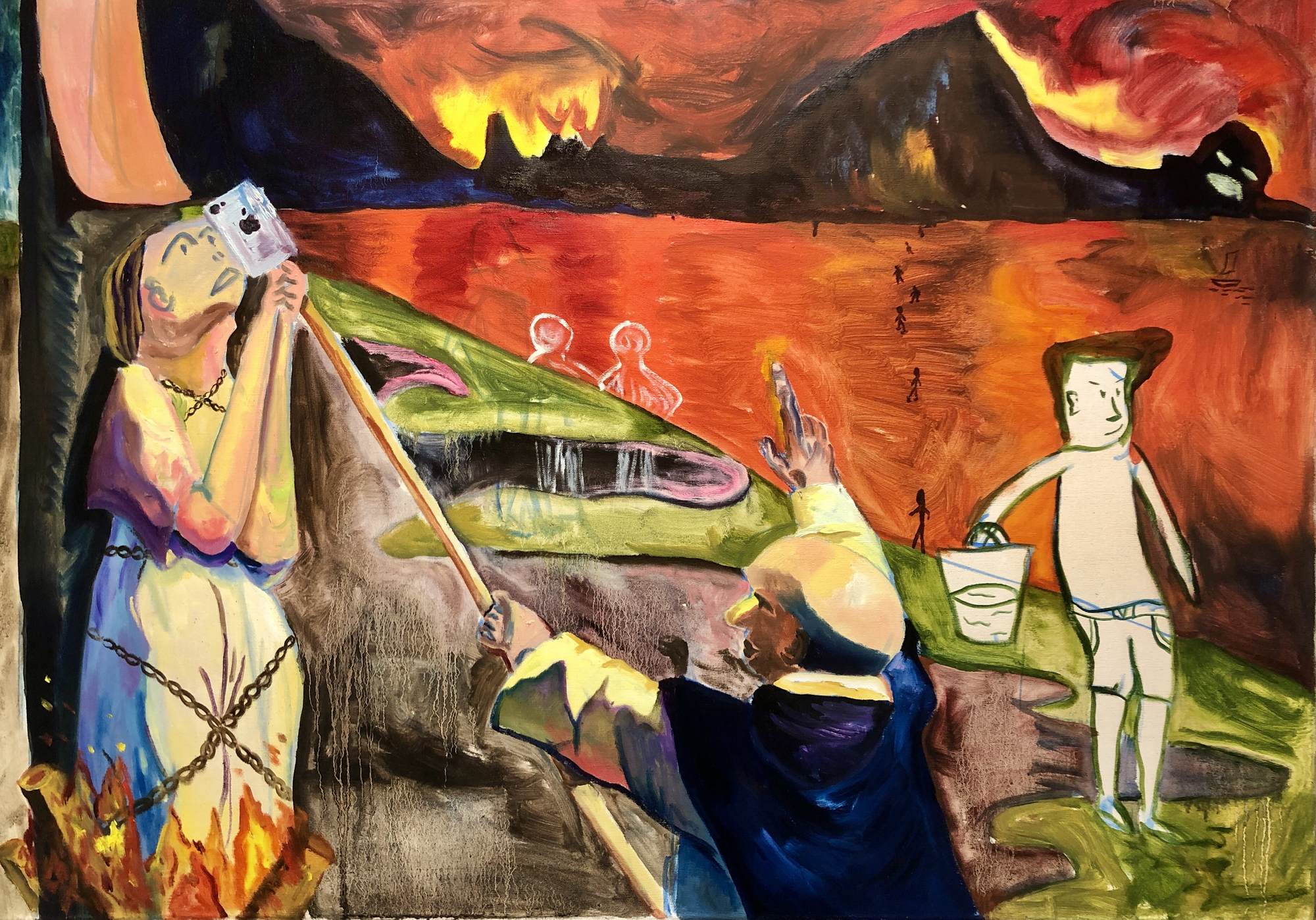
120 x 100 cm, 2021
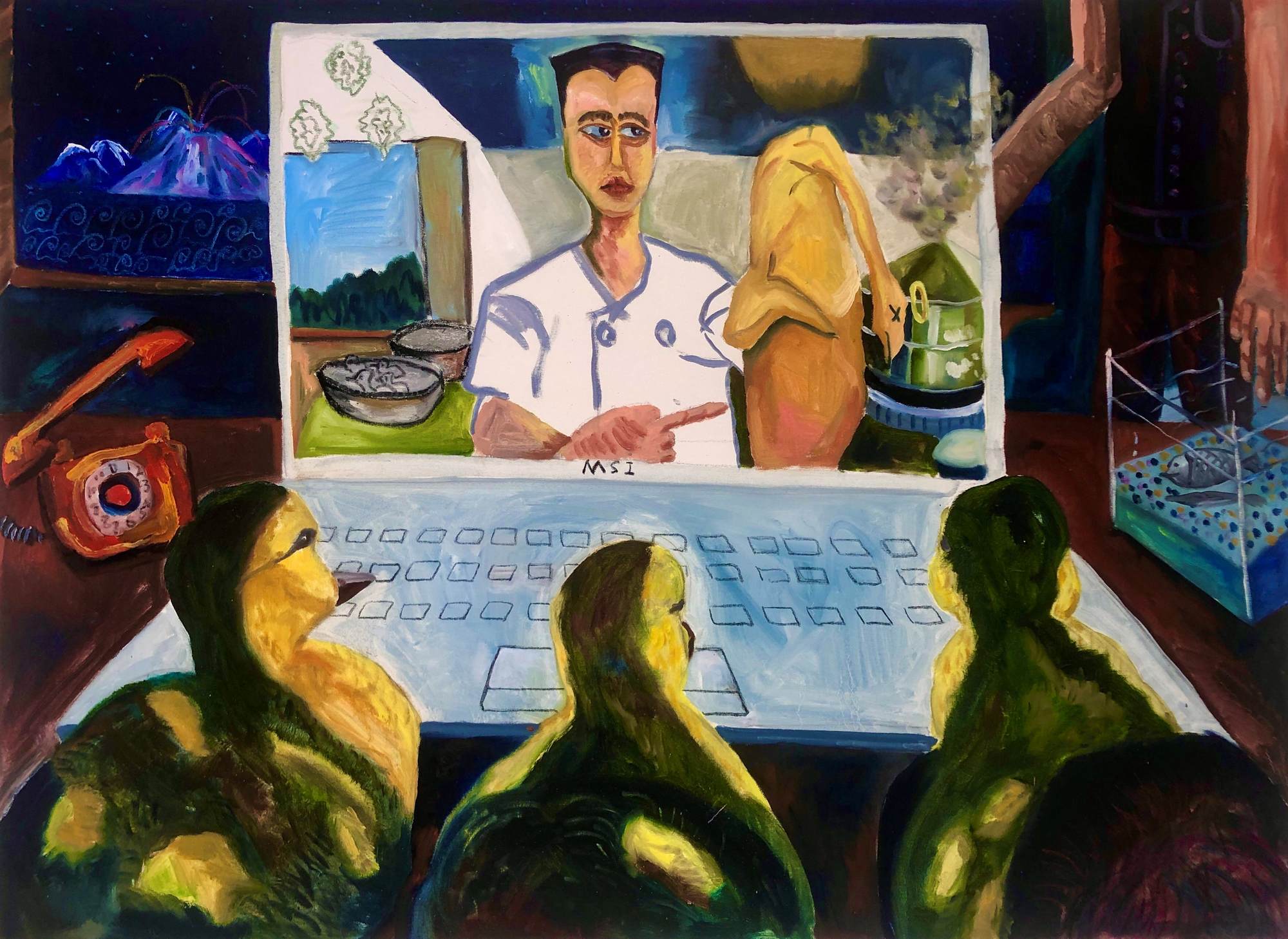
120 x 150 cm, 2021
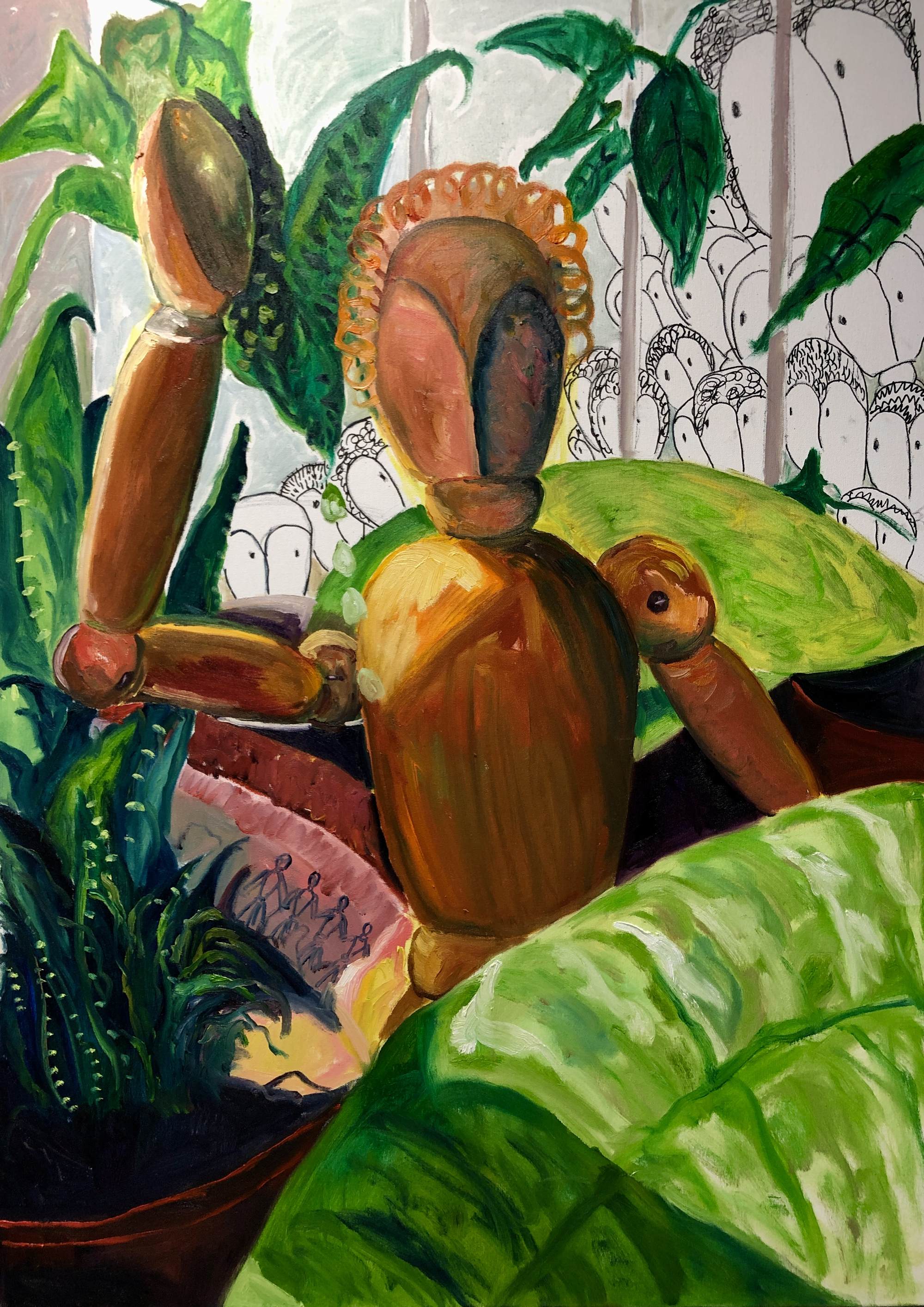
120 x 150 cm, 2021
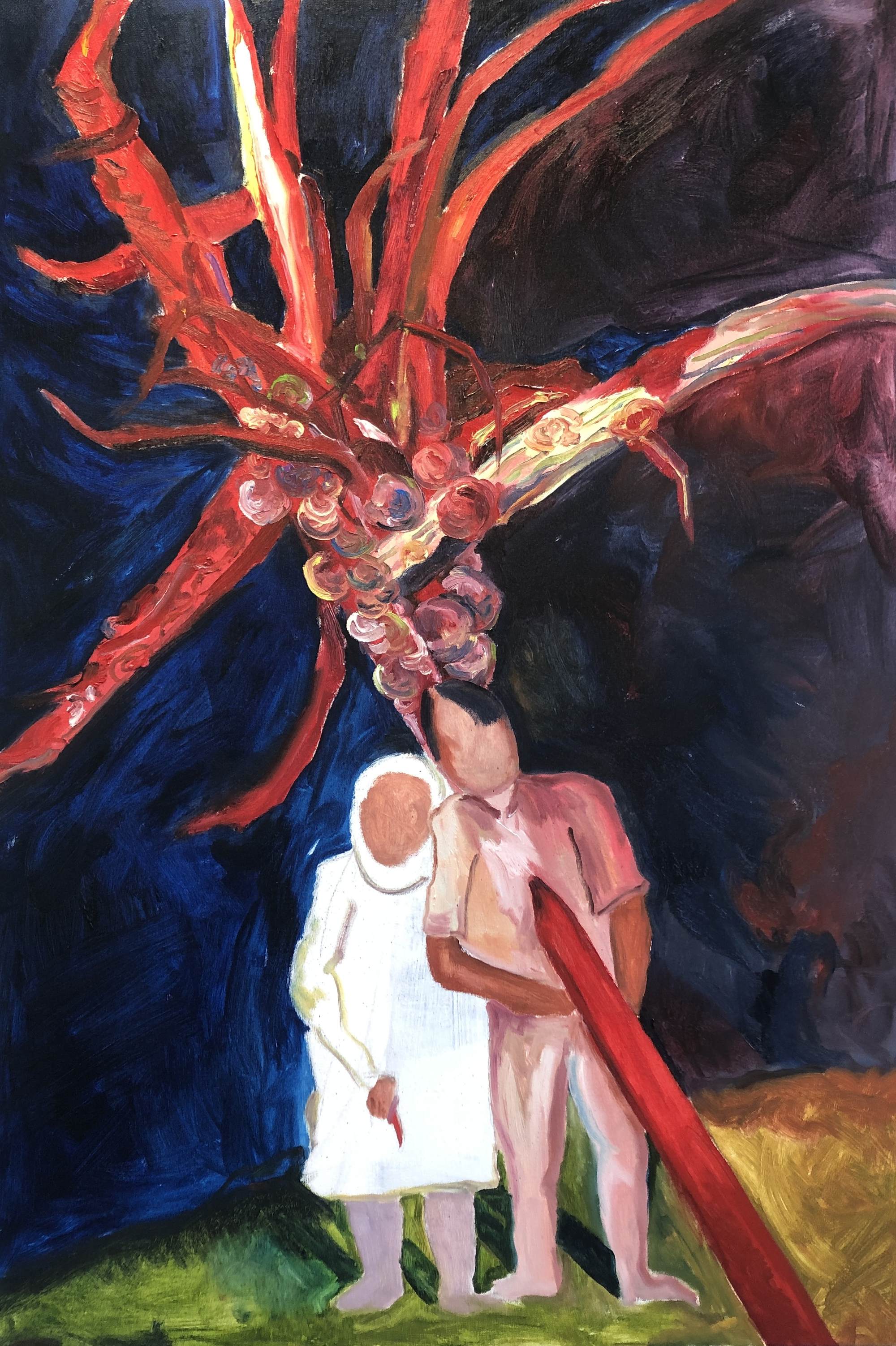
90 x 120 cm, 2020
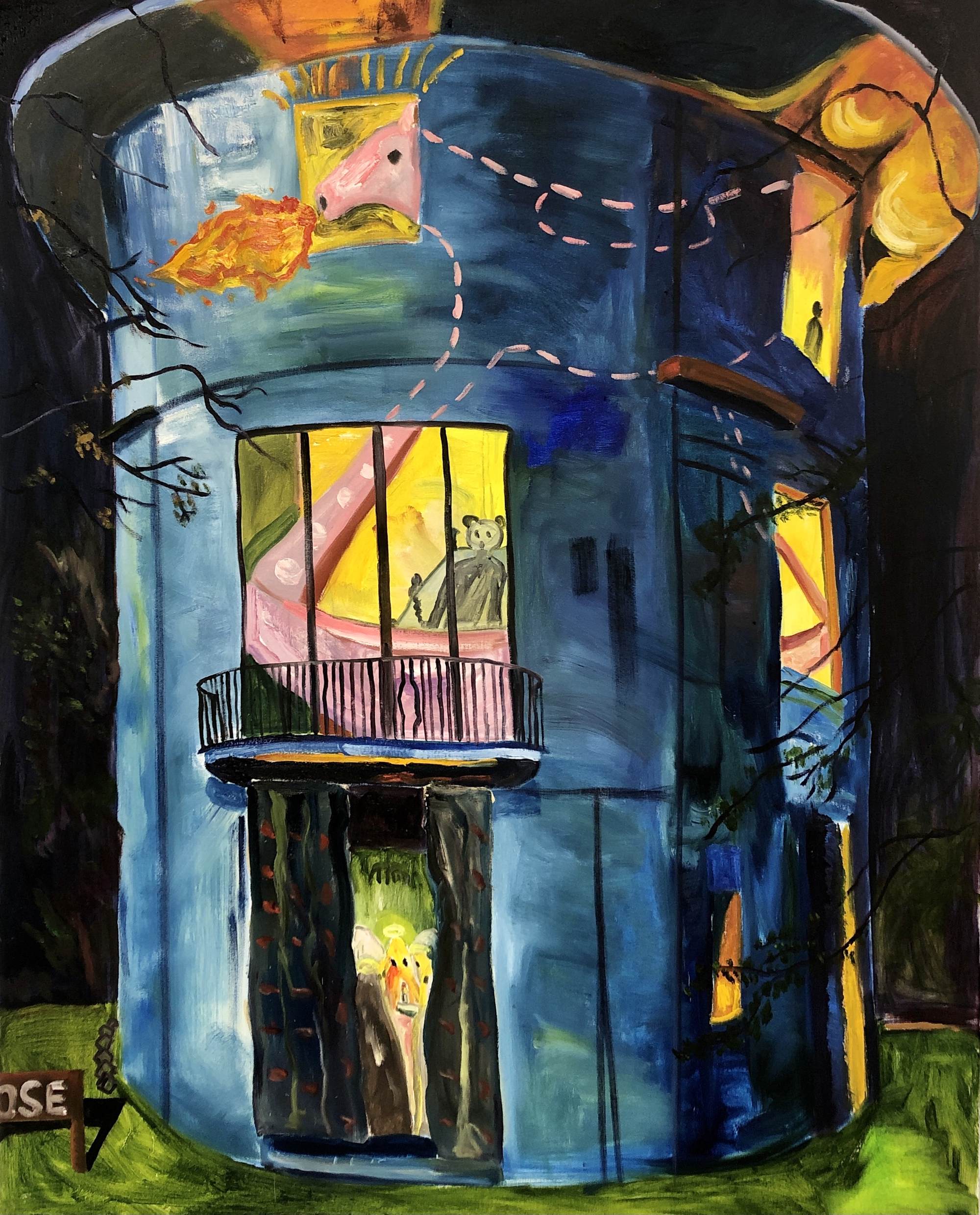
120 x 150 cm, 2020
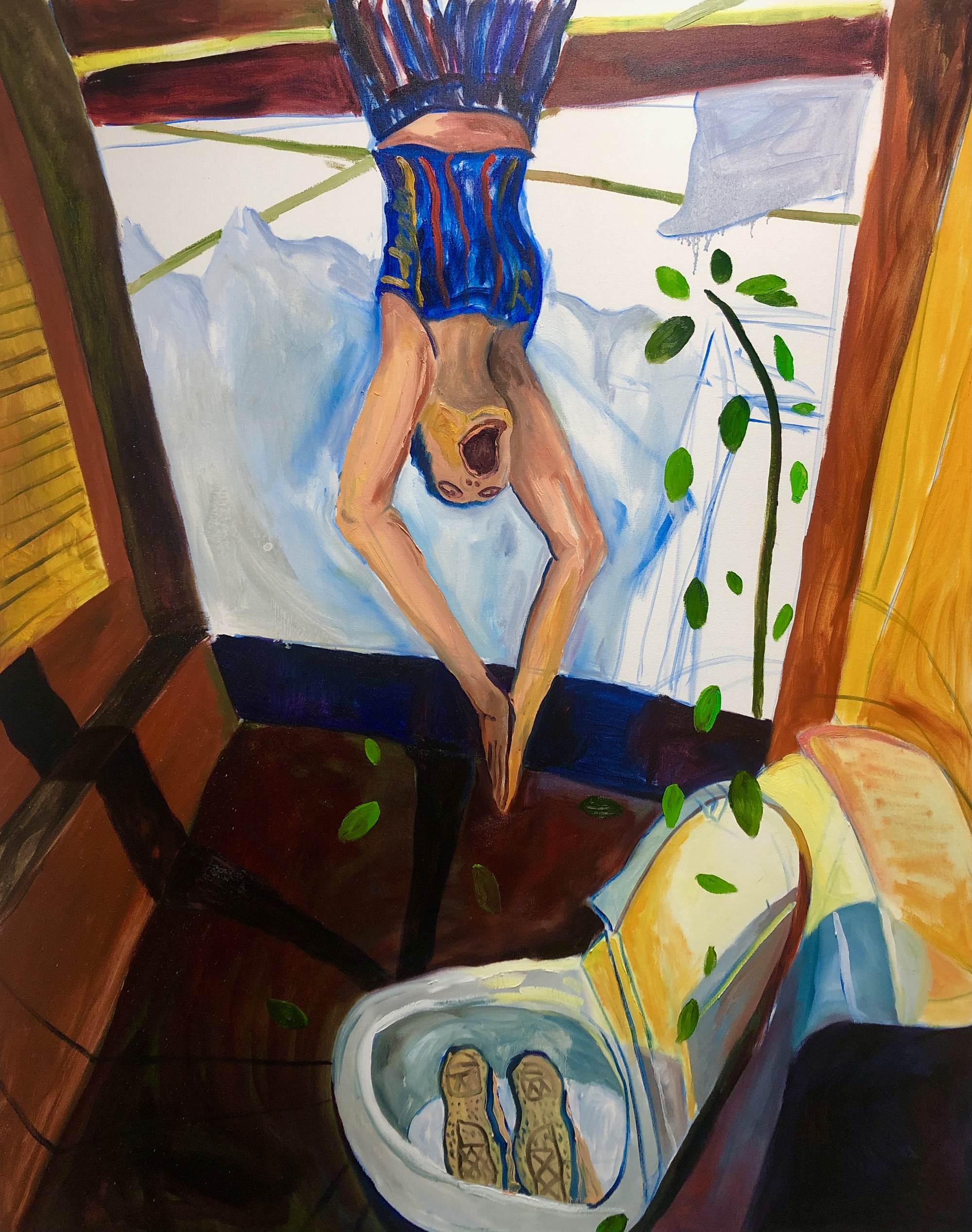
120 x 150 cm, 2020
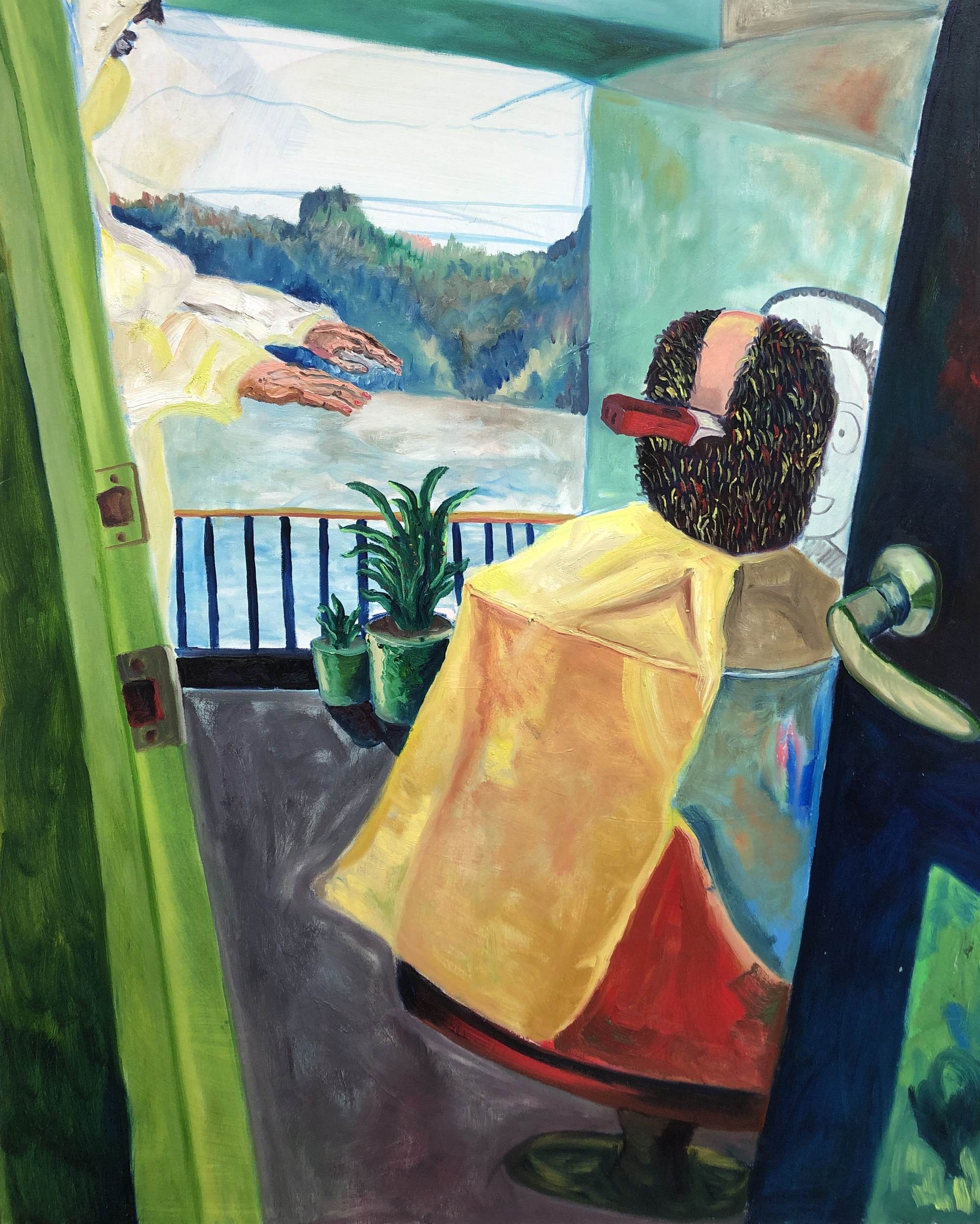
120 x 150 cm, 2020
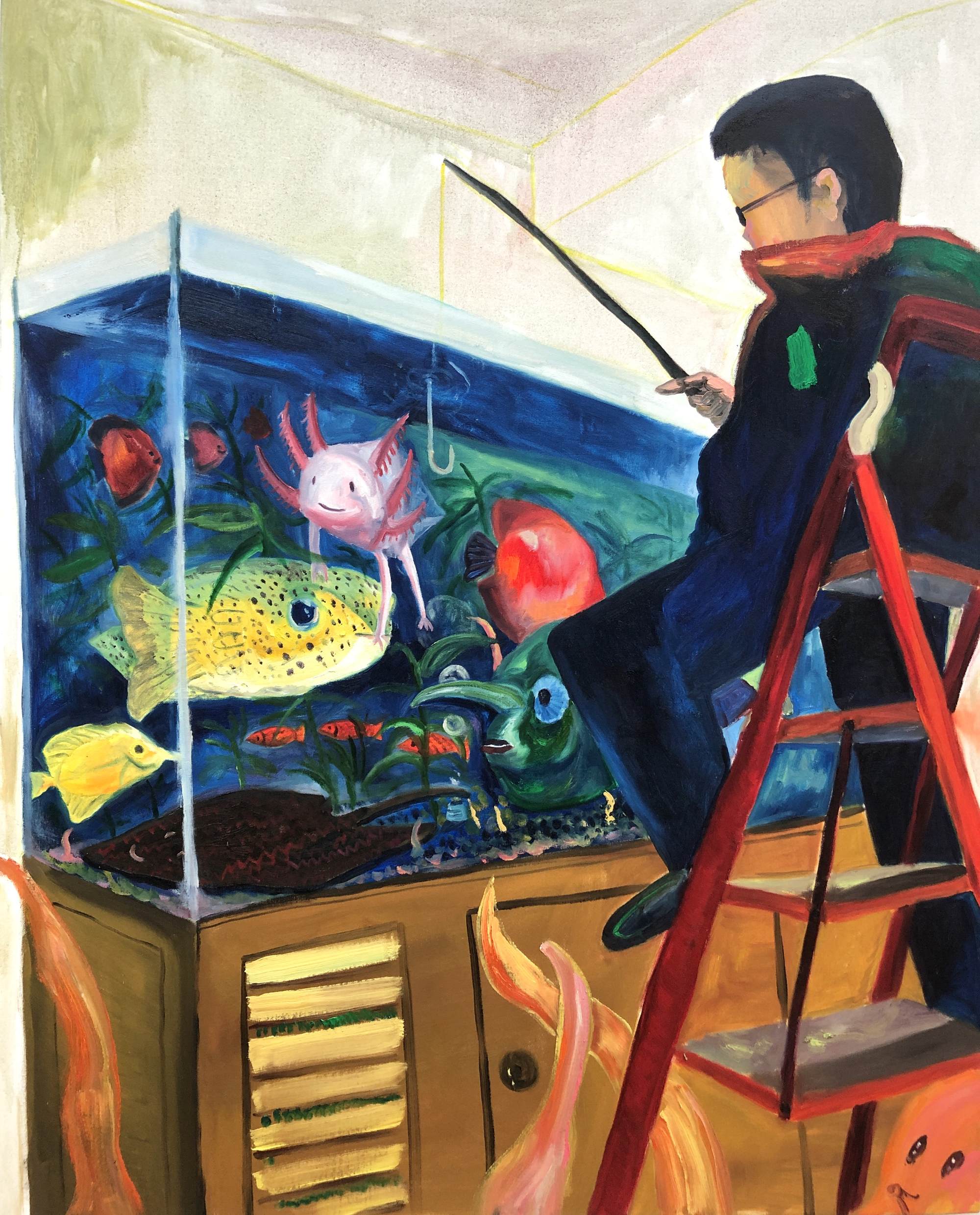
120 x 150 cm, 2020
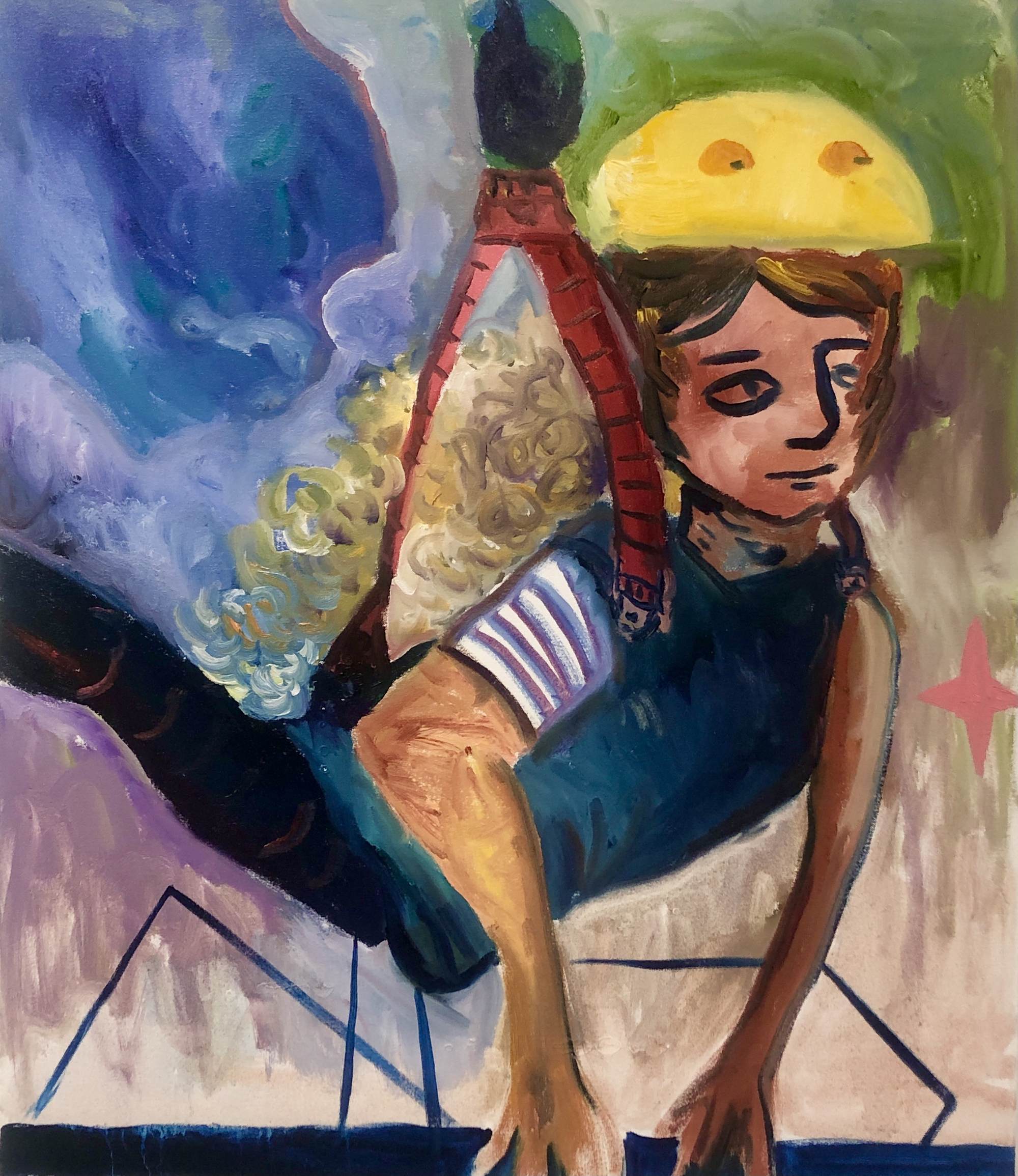
60 x 80 cm, 2020
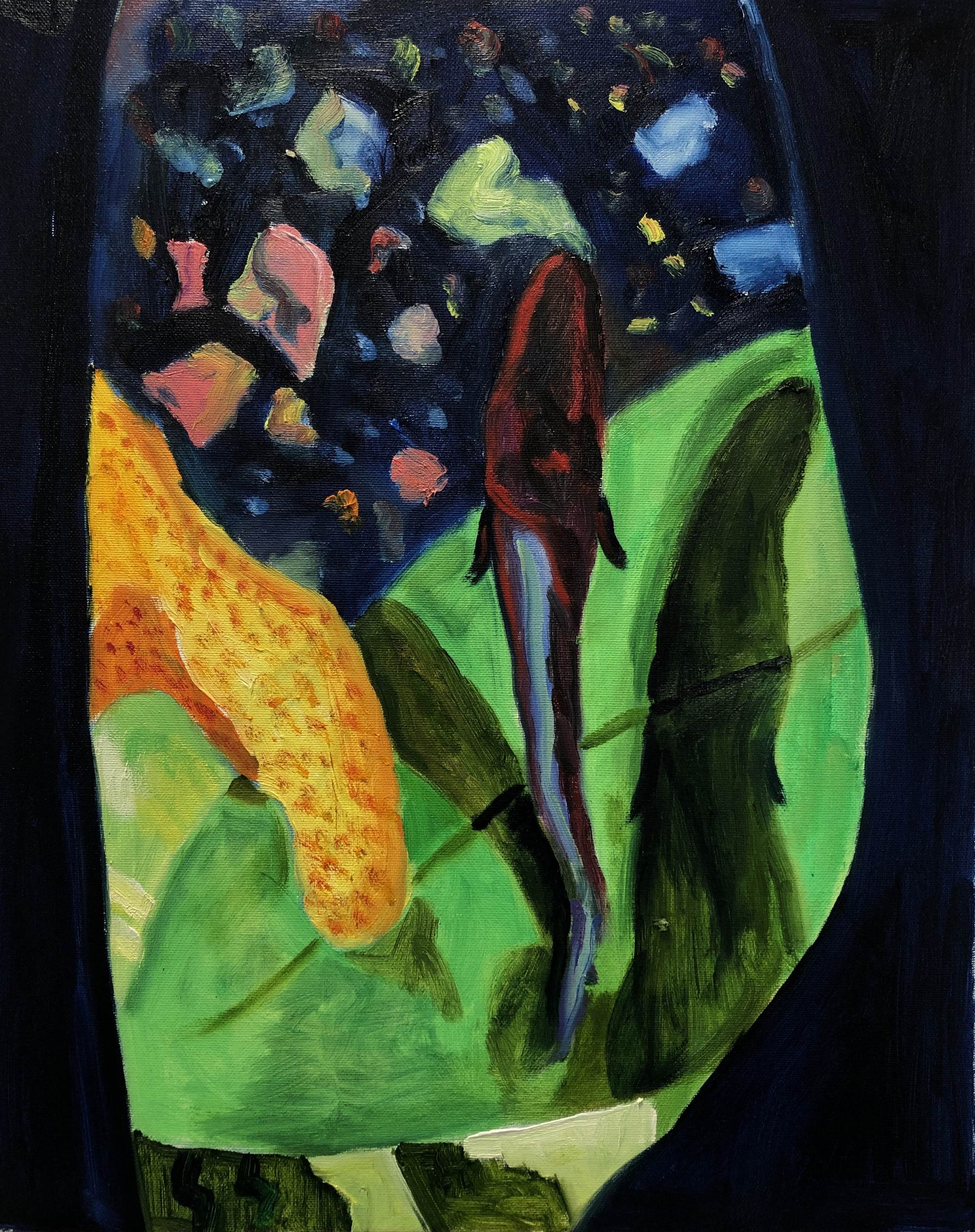
40 x 50 cm, 2020
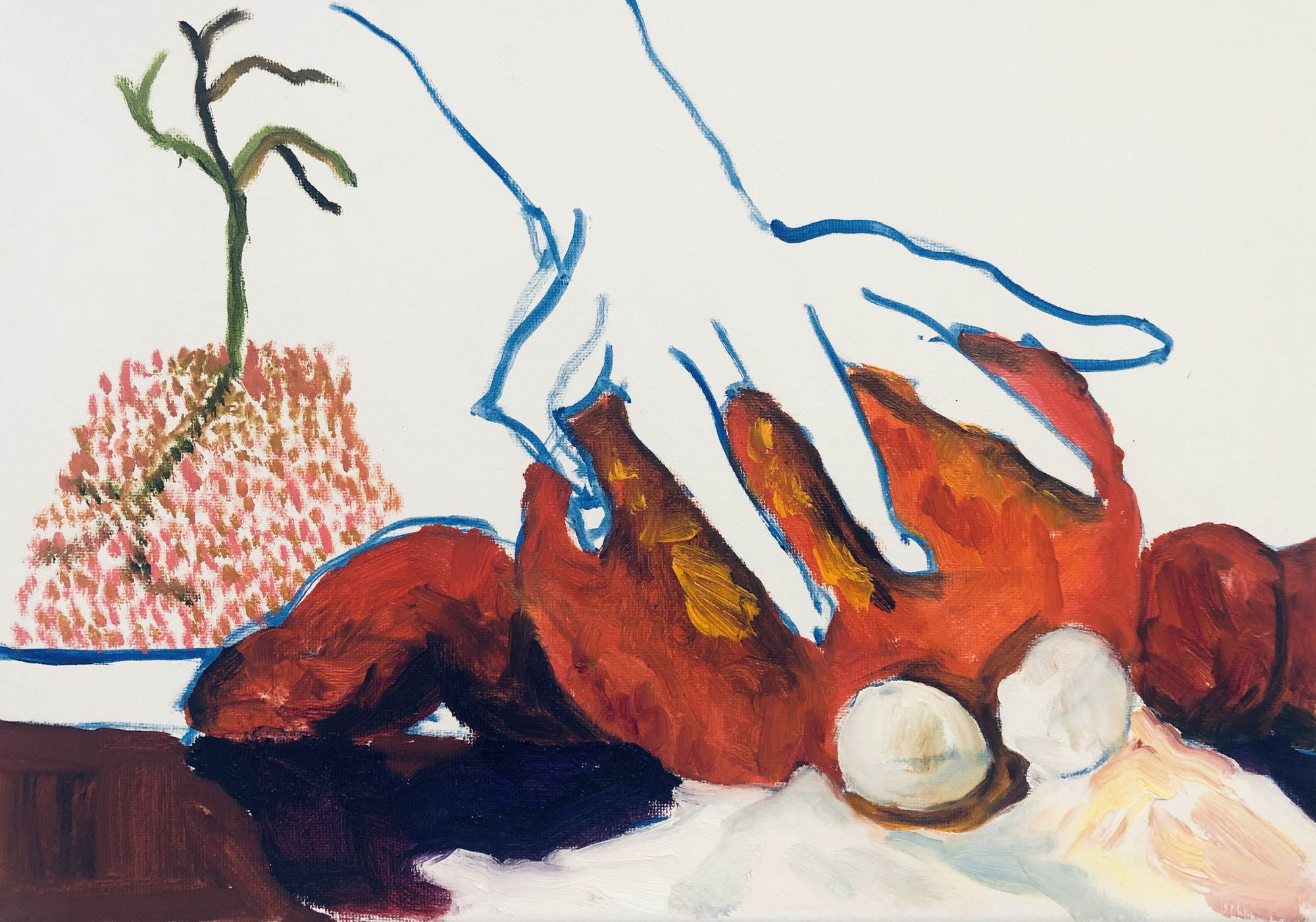
40 x 50 cm, 2020
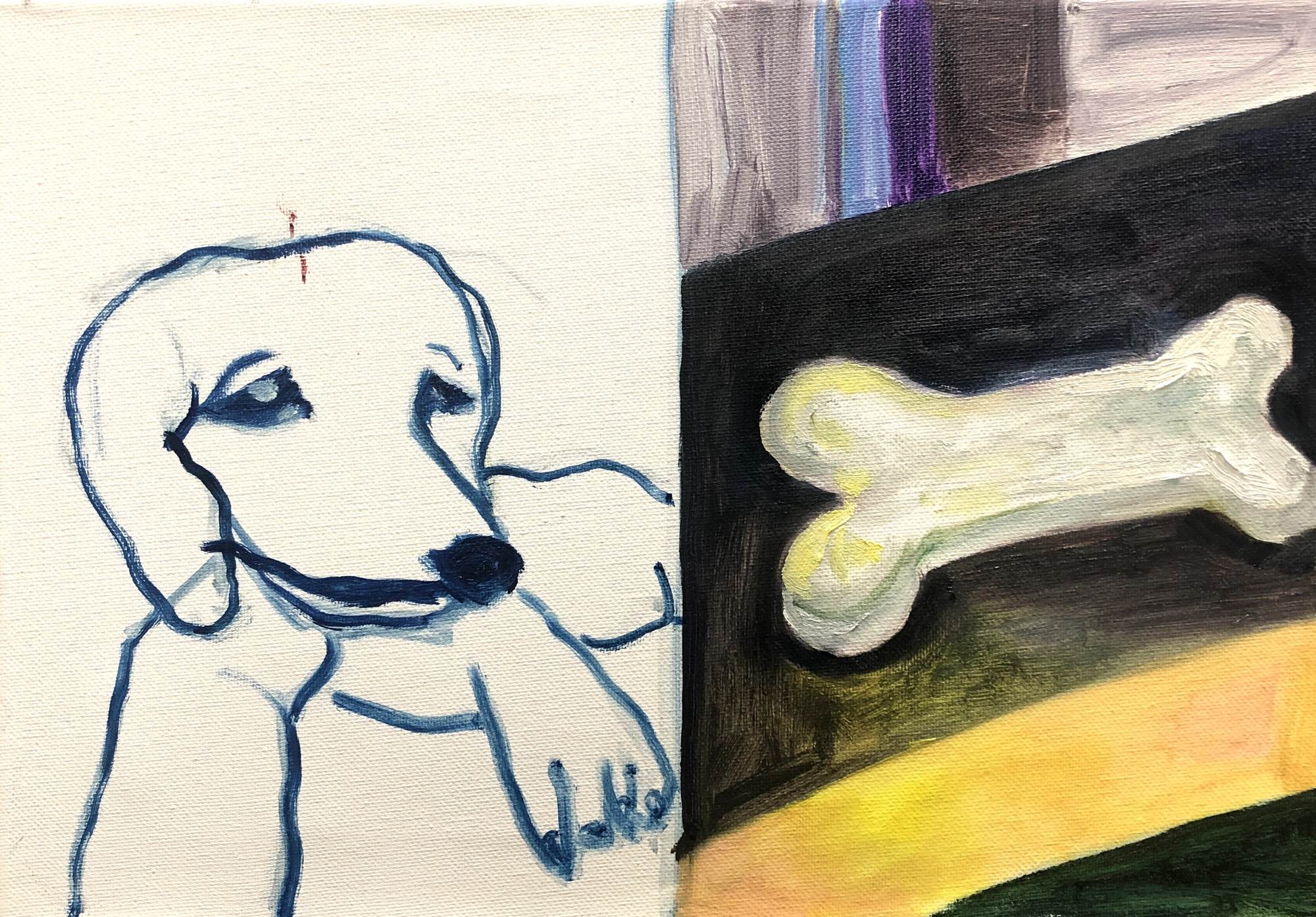
40 x 50 cm, 2020
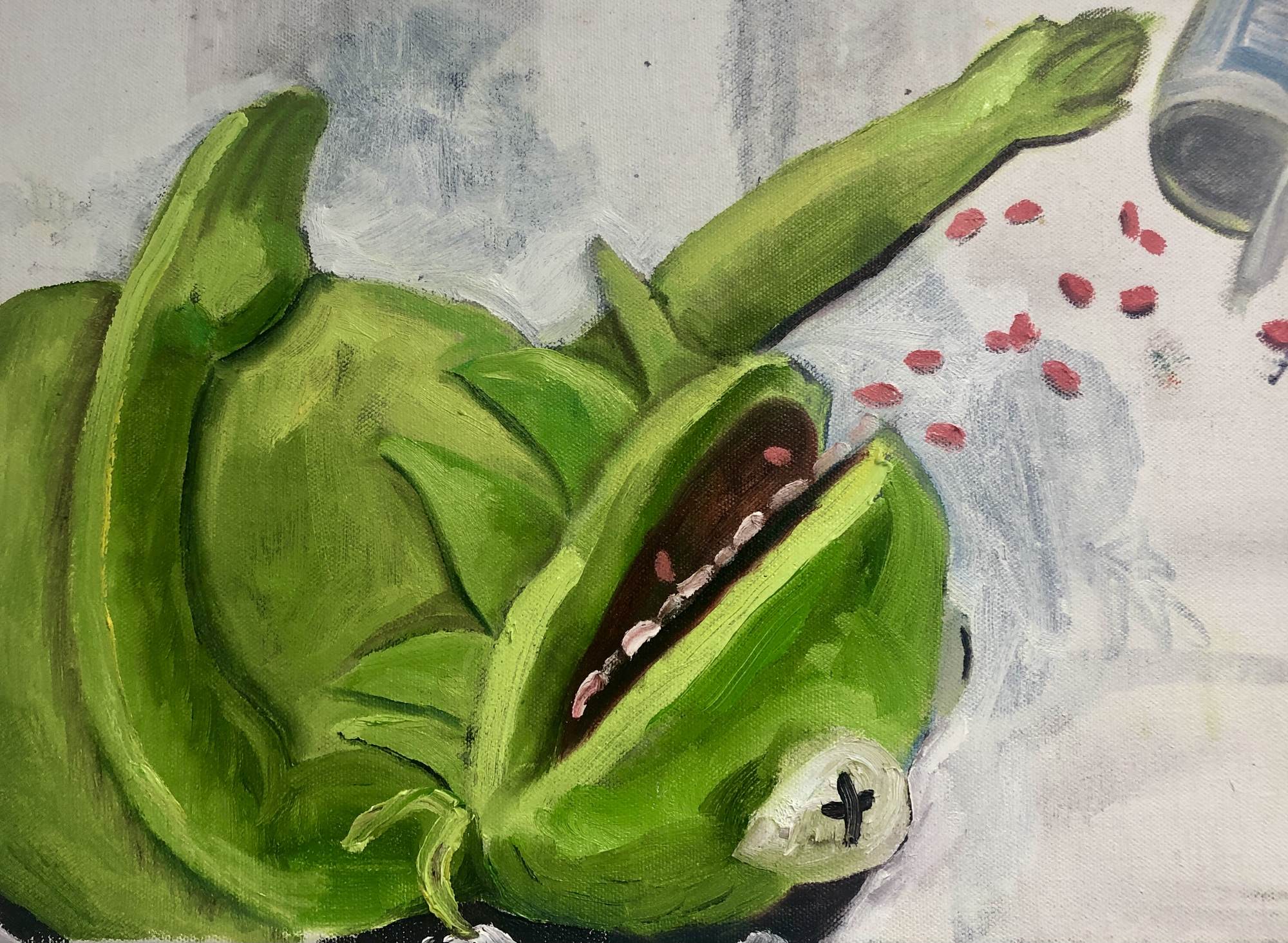
40 x 50 cm, 2020
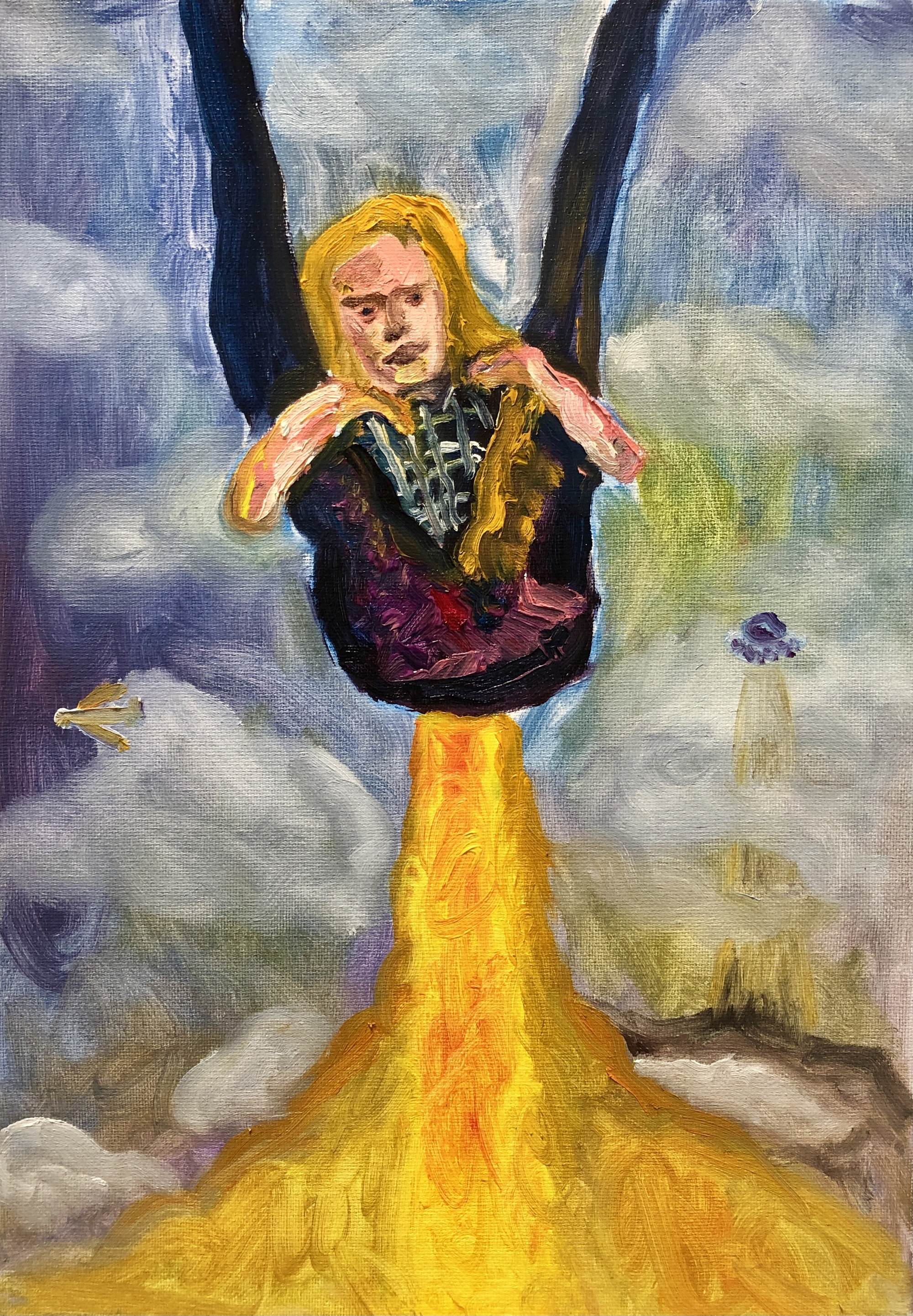
40 x 50 cm, 2020
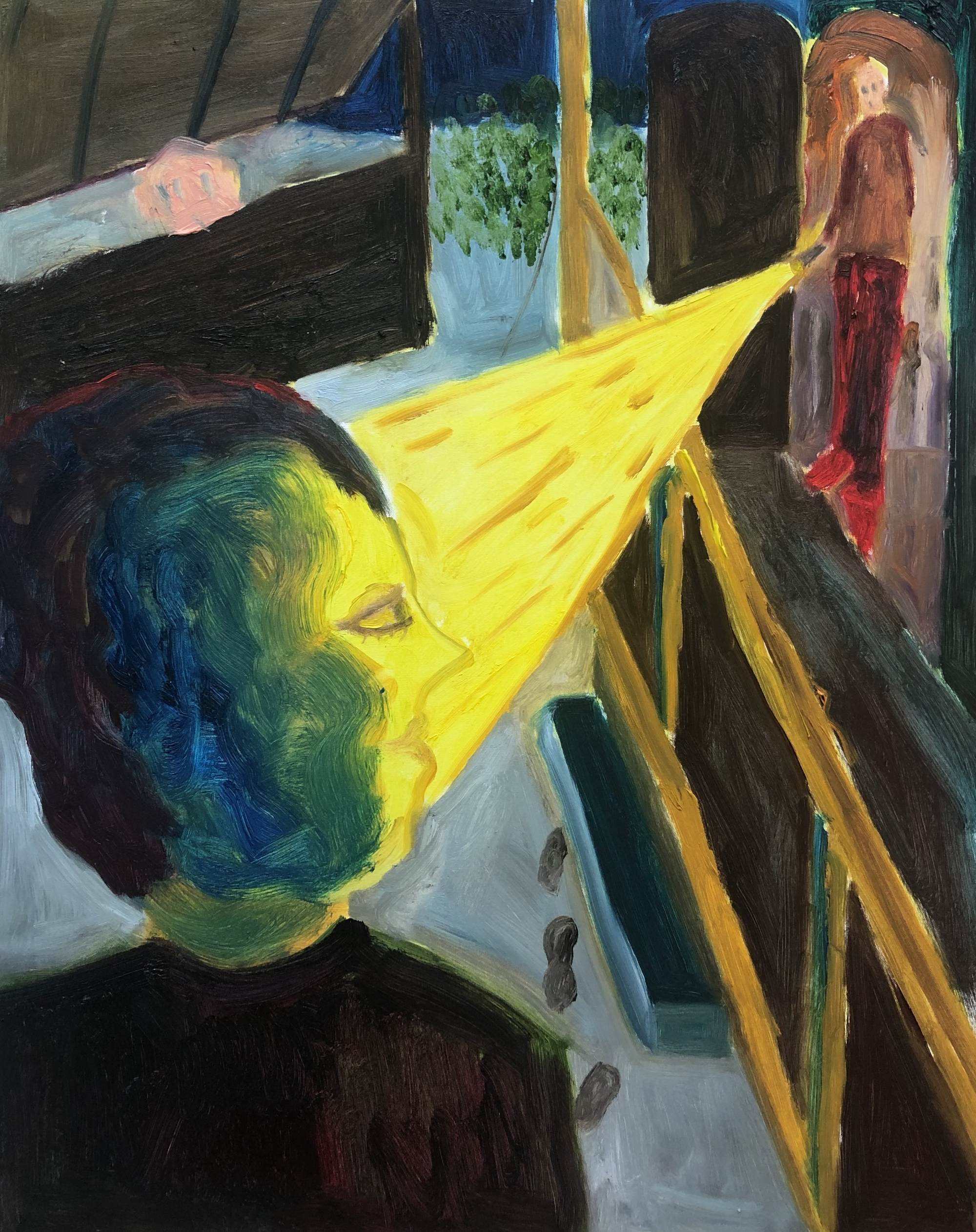
30 x 40 cm, 2020
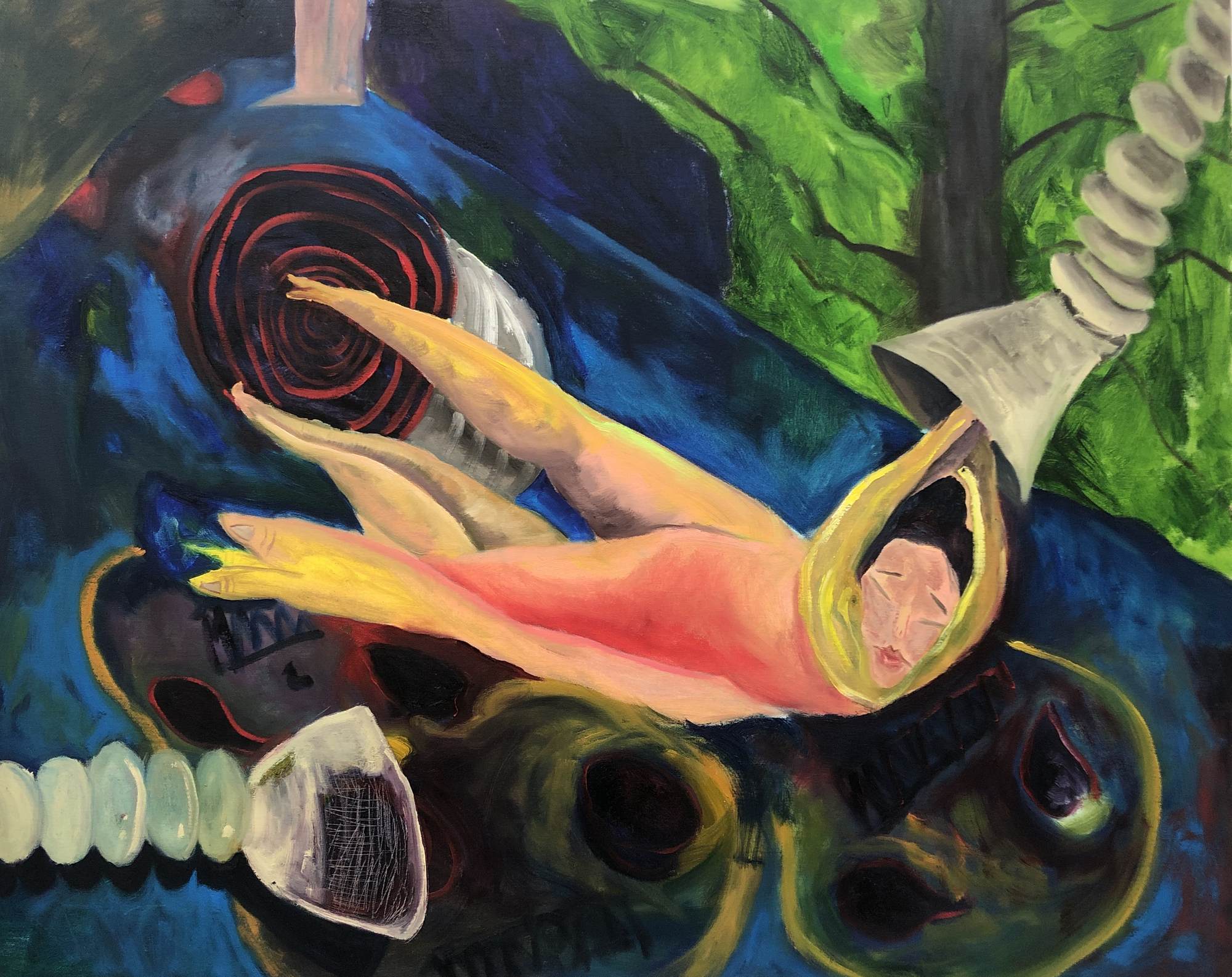
150 x 170 cm, 2020
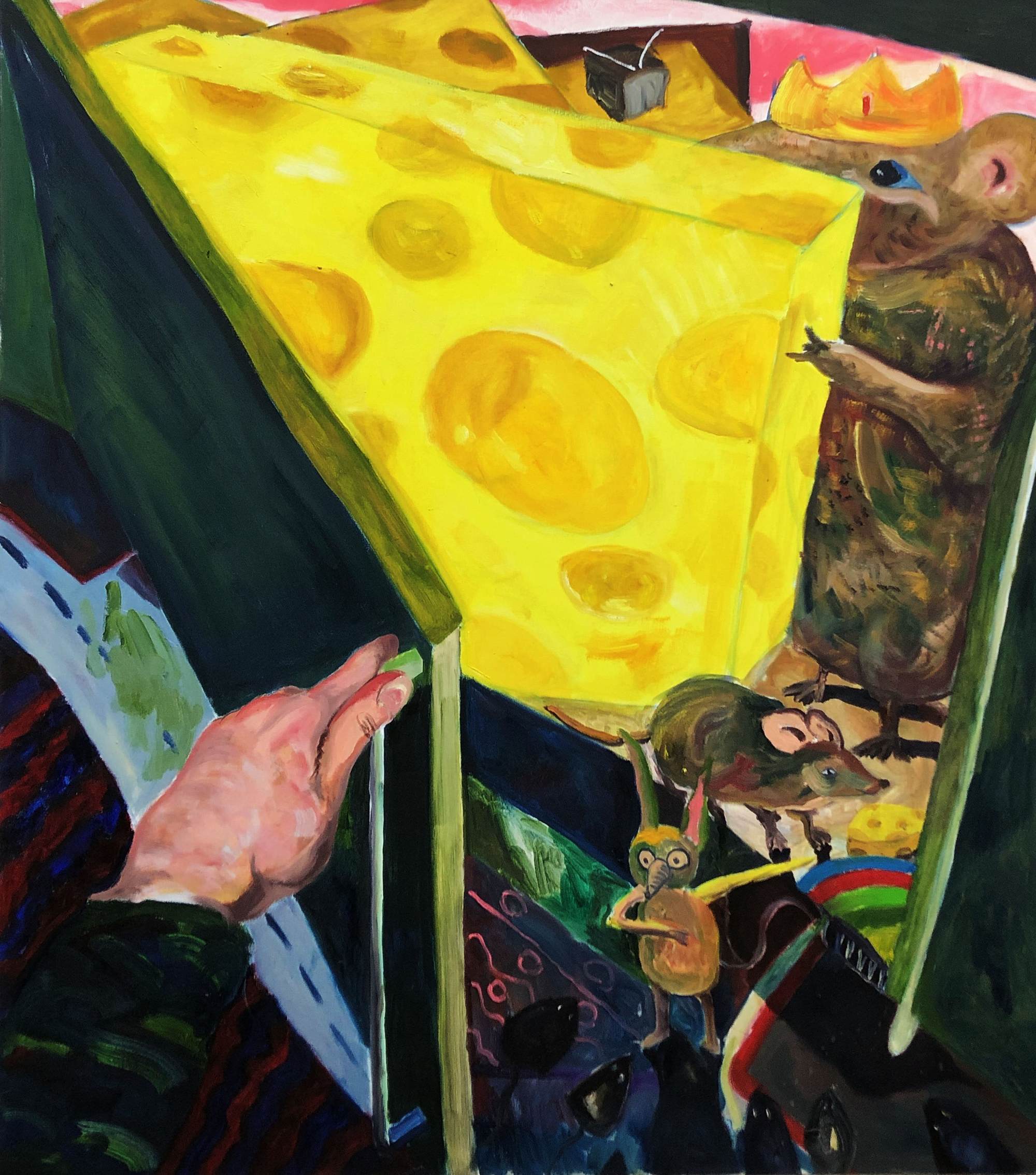
150 x 170 cm, 2019
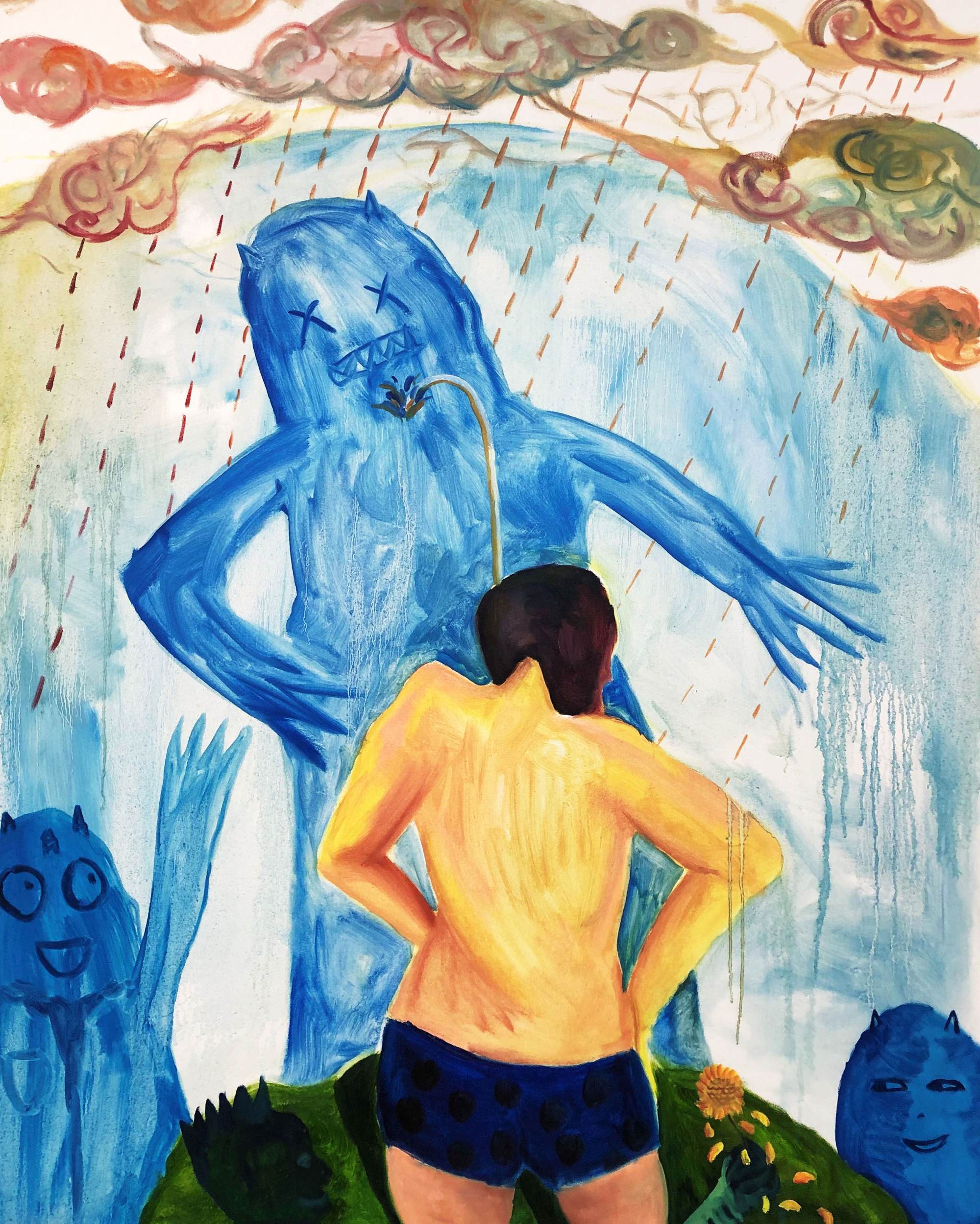
150 x 170 cm, 2019
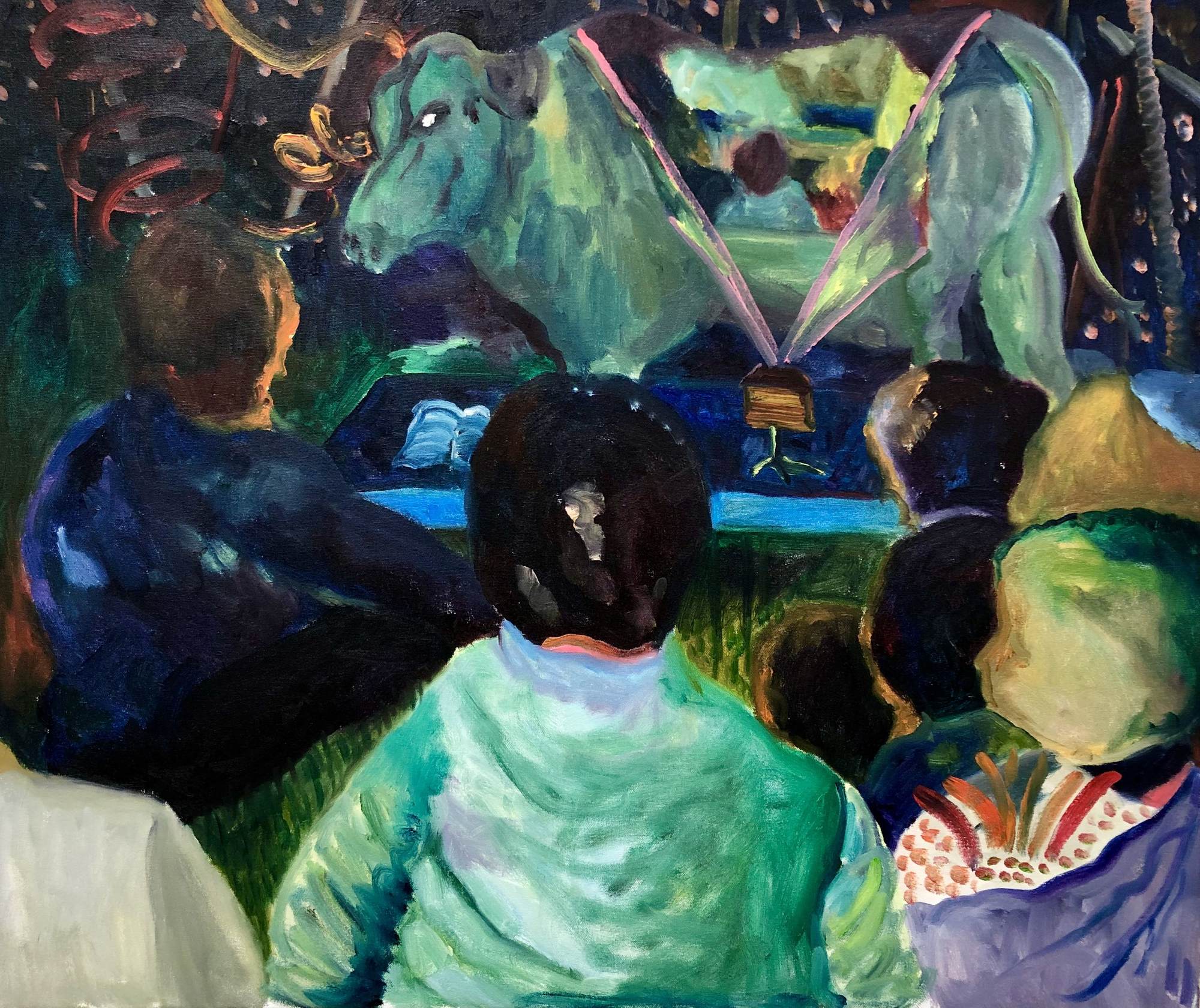
100 x 90 cm, 2019
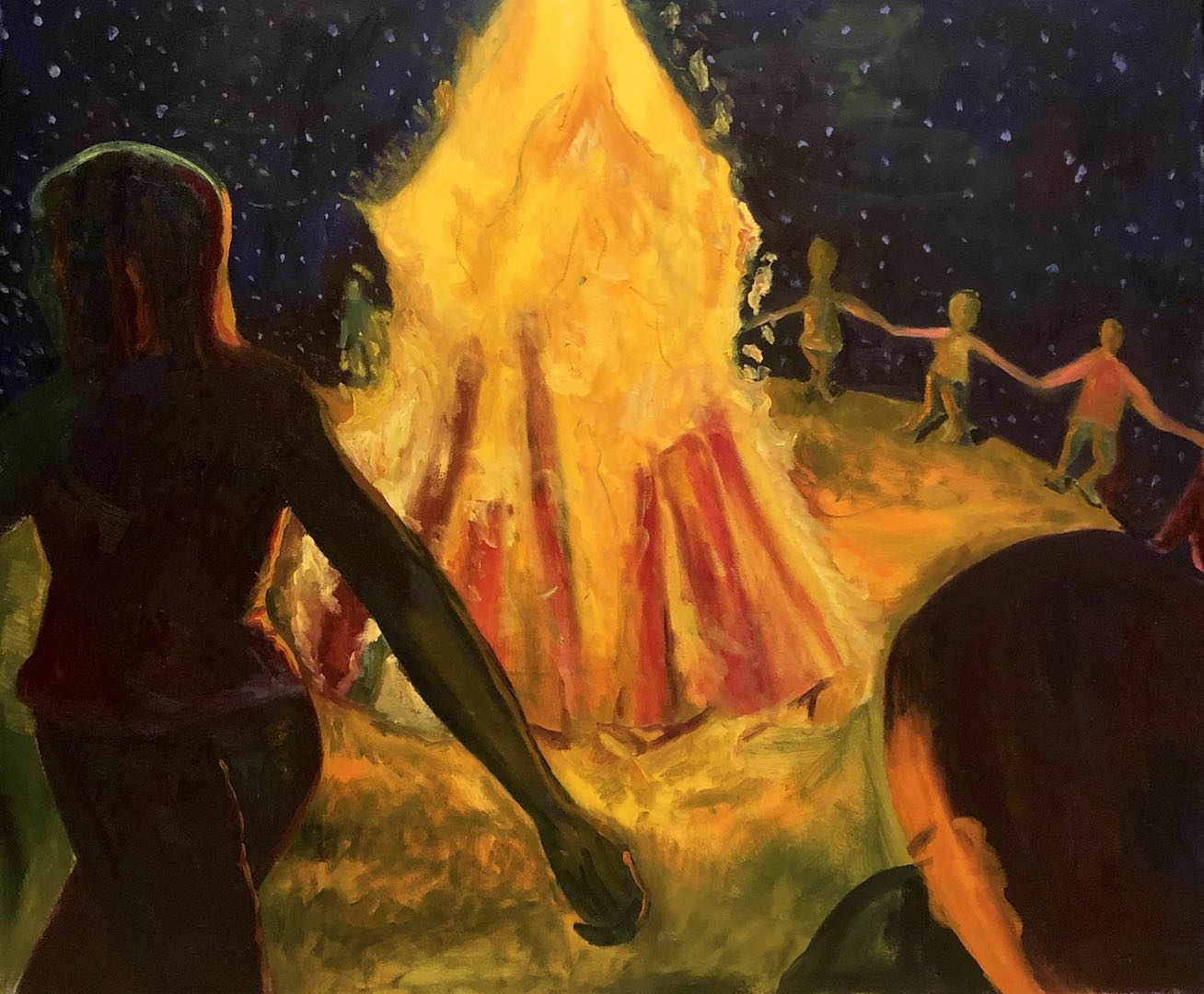
150 x 170 cm, 2019
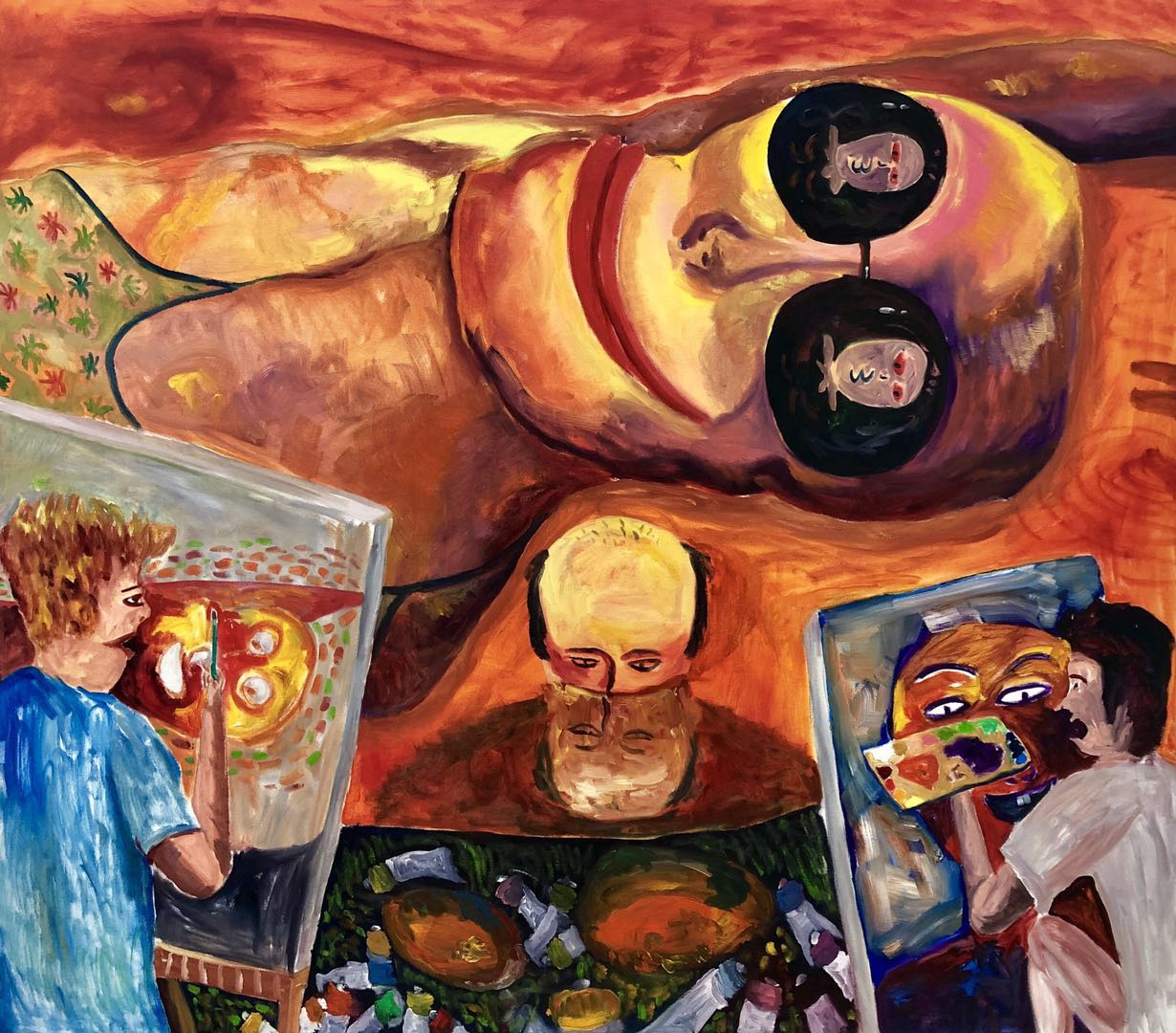
150 x 170 cm, 2019
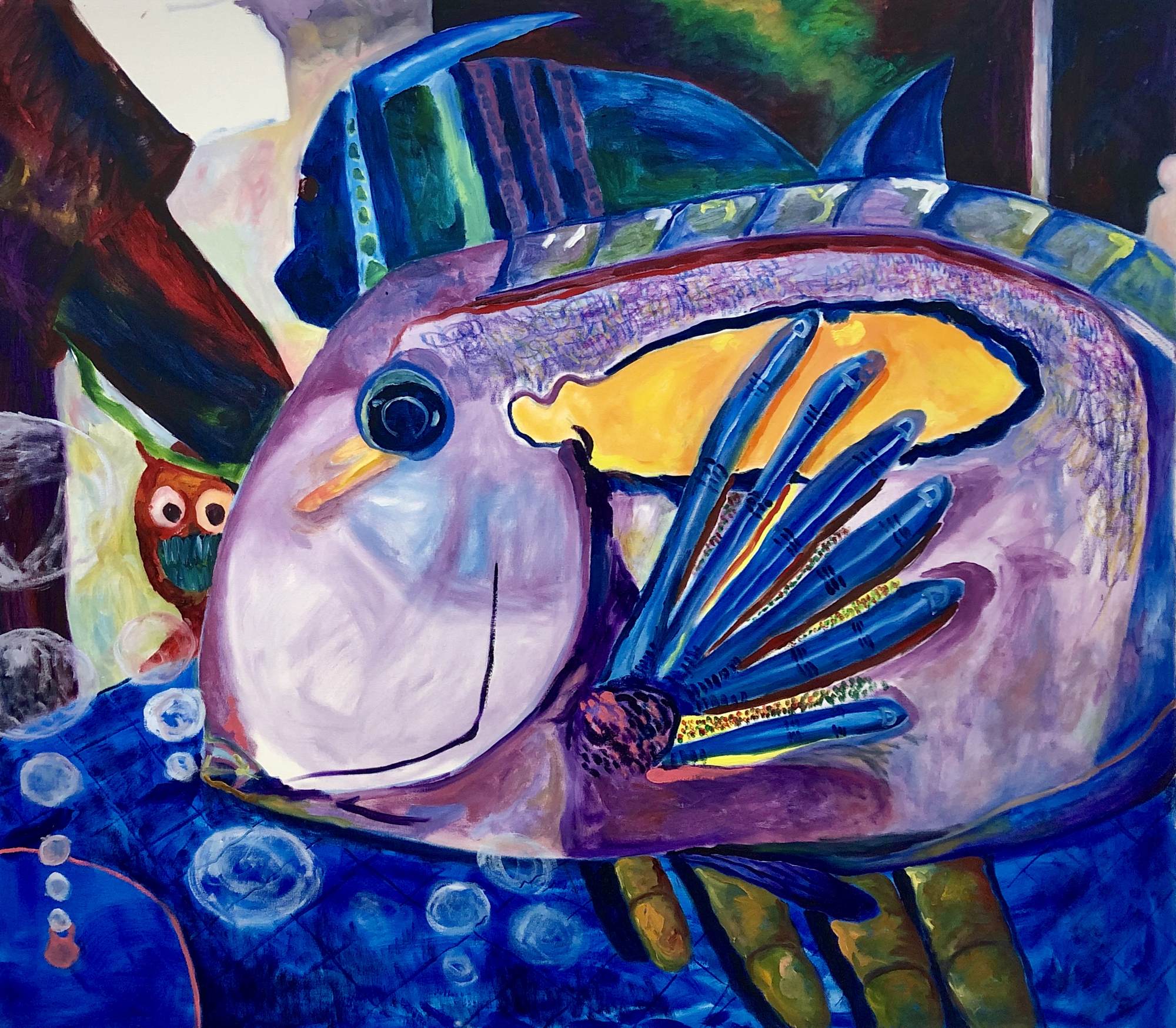
150 x 170 cm, 2019
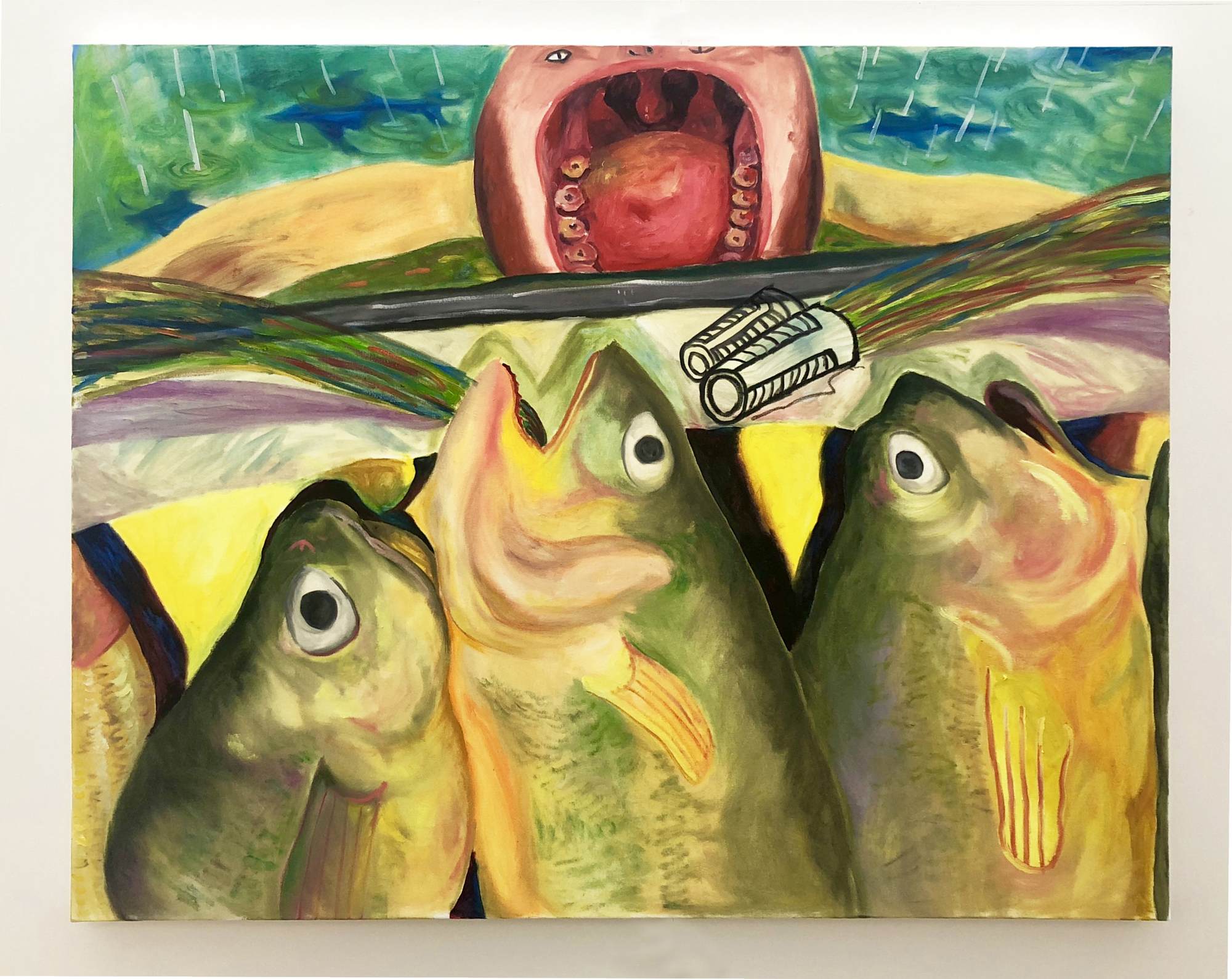
120 x 150 cm, 2019
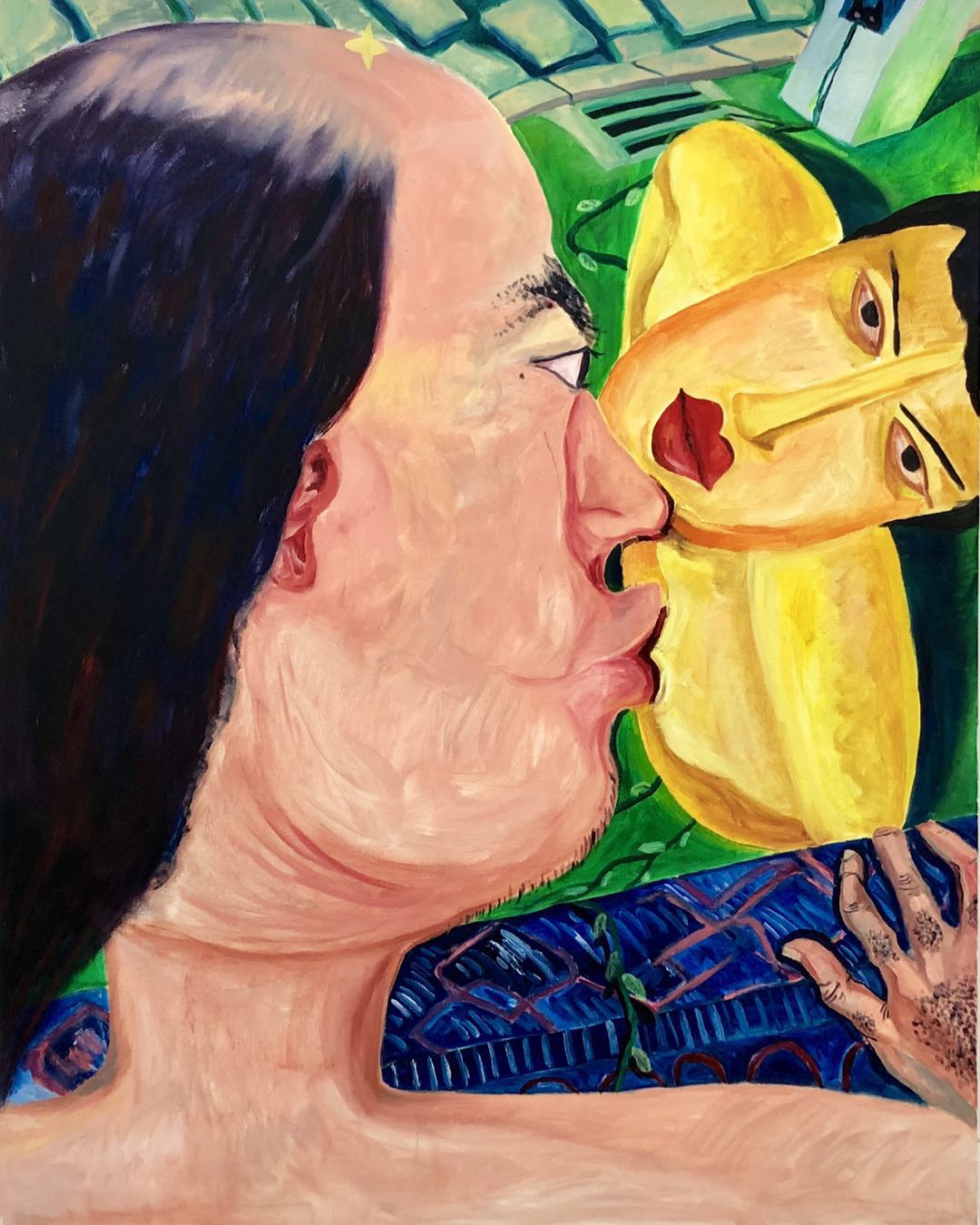
120 x 150 cm, 2019
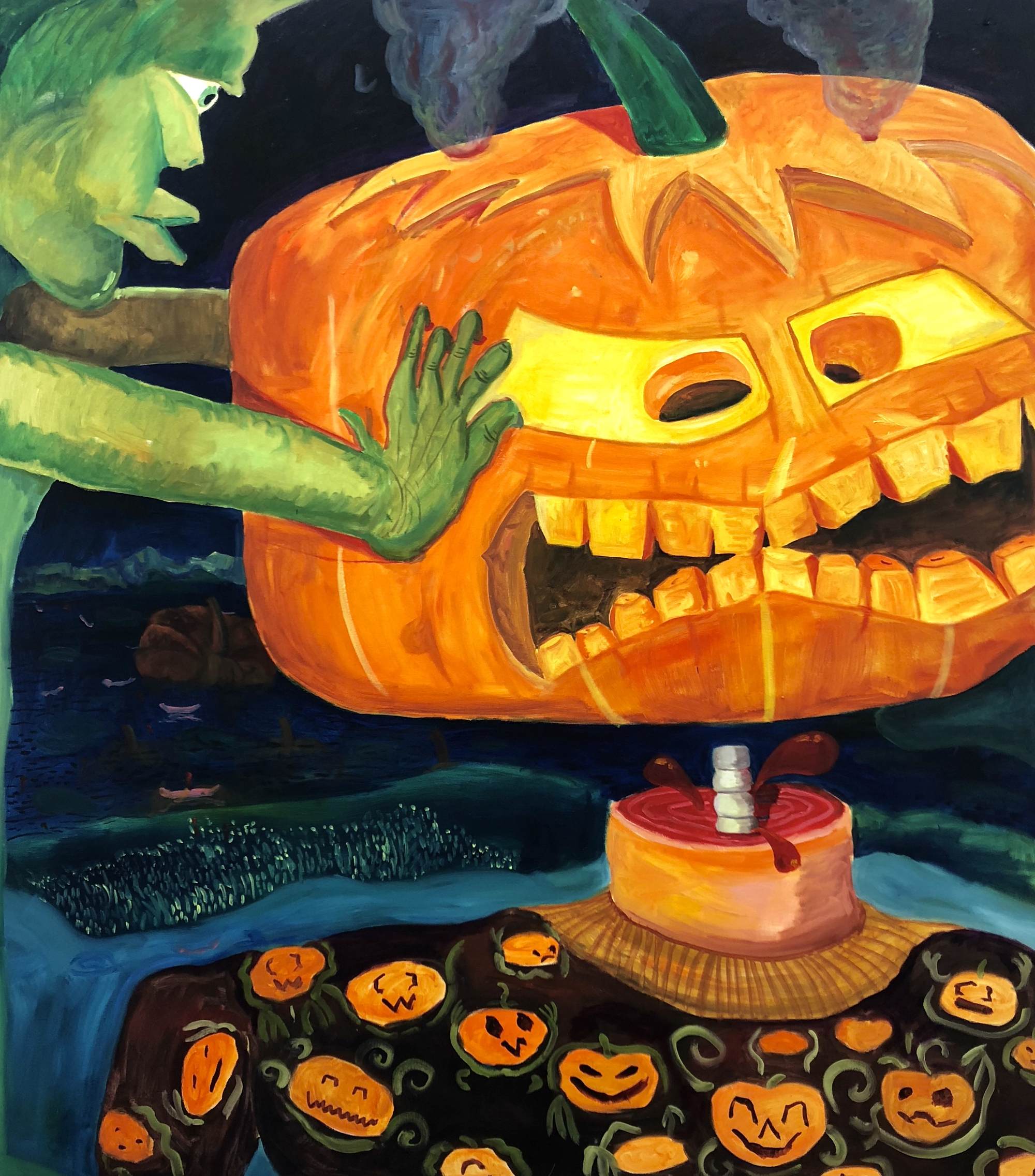
150 x 170 cm, 2019
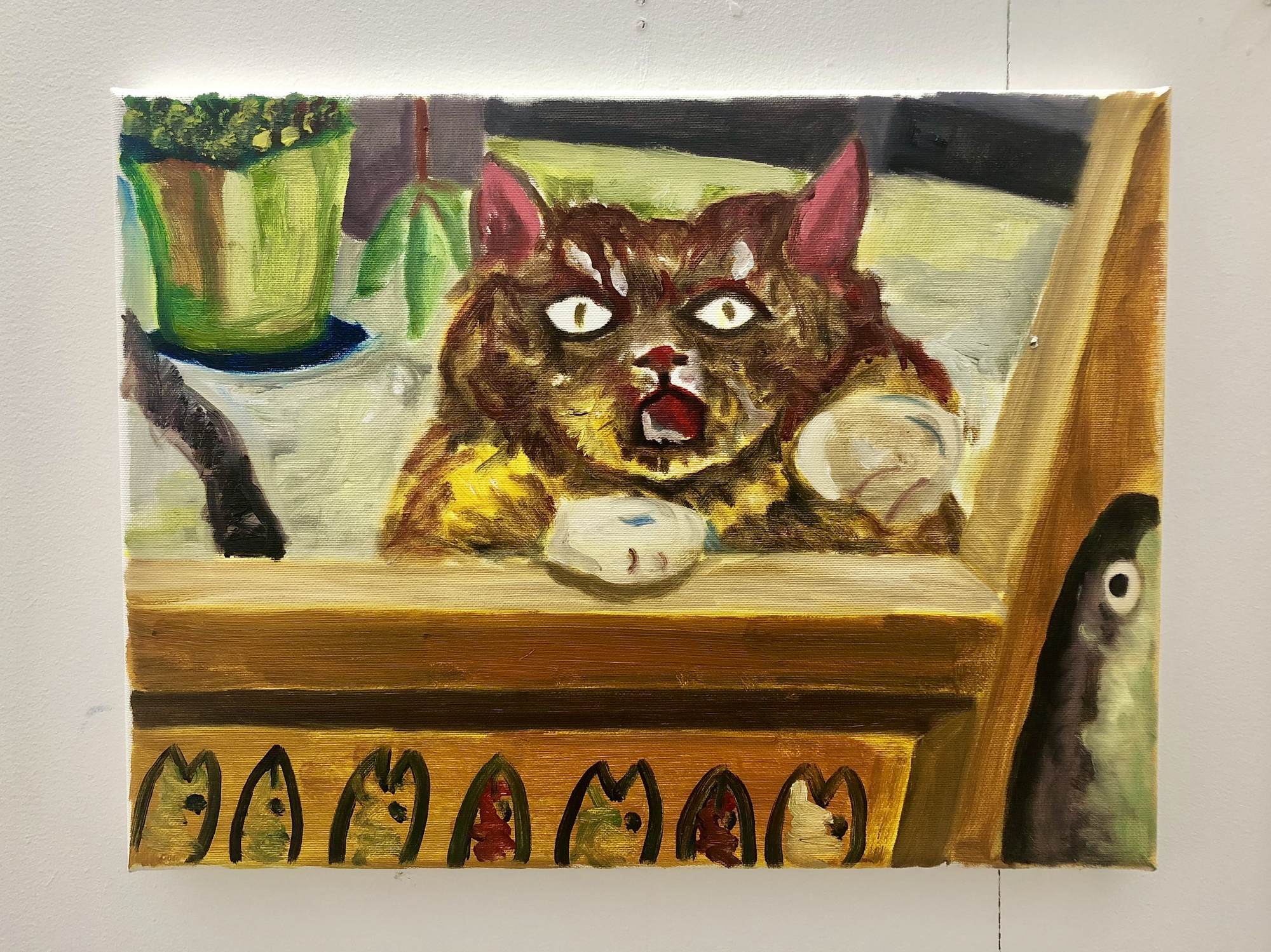
30 x 40 cm, 2019
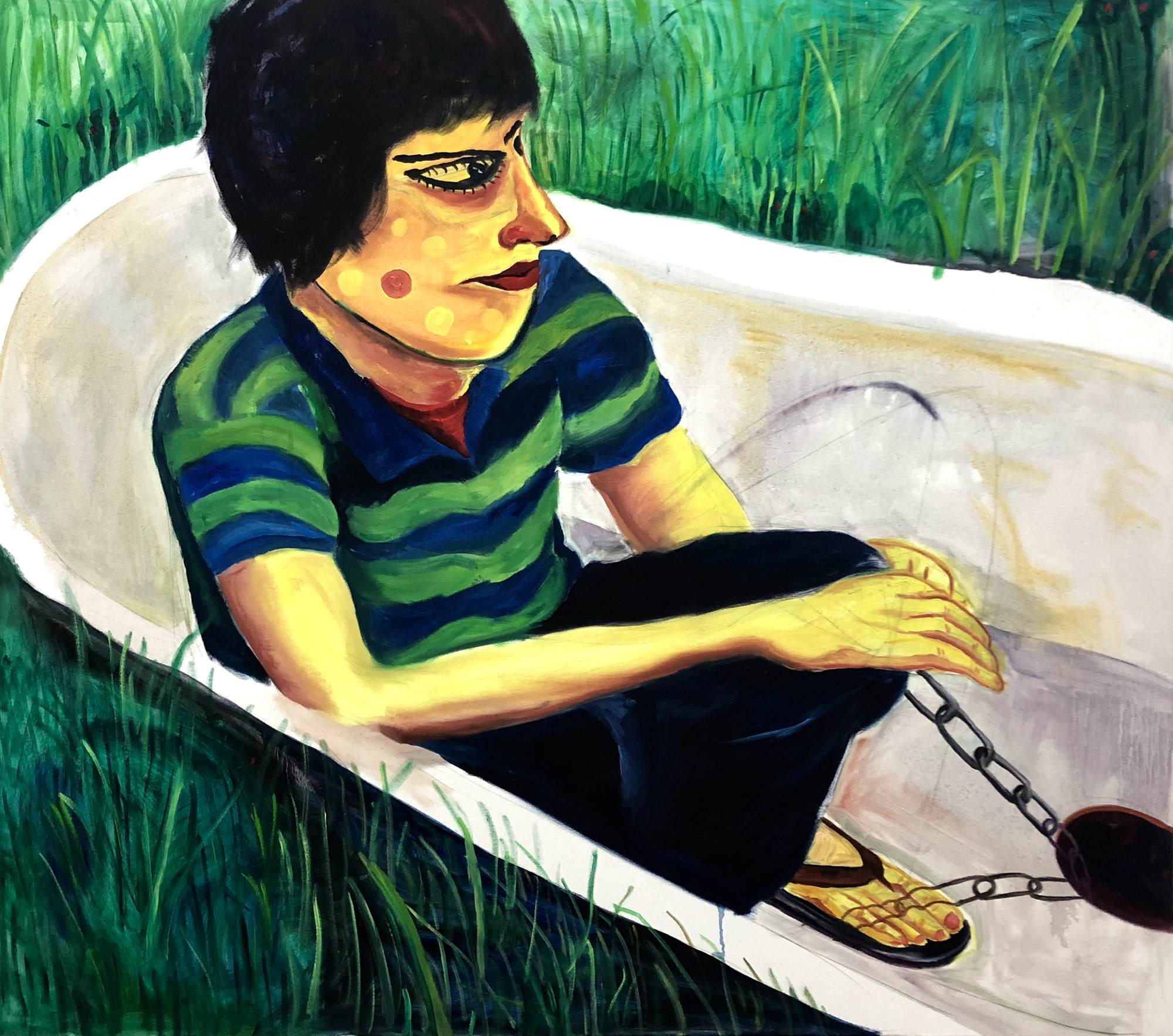
150 x 170 cm, 2019
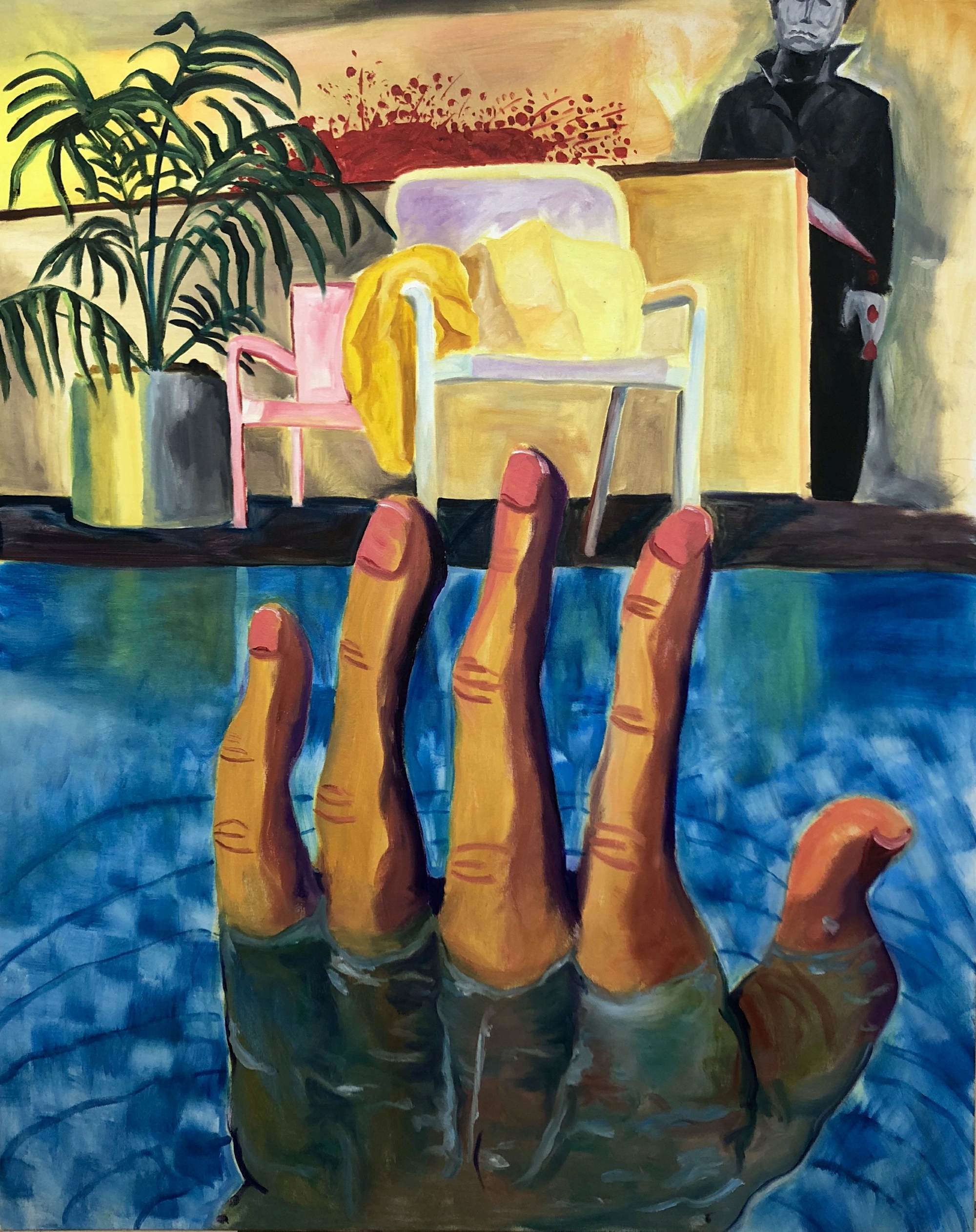
120 x 150 cm, 2019
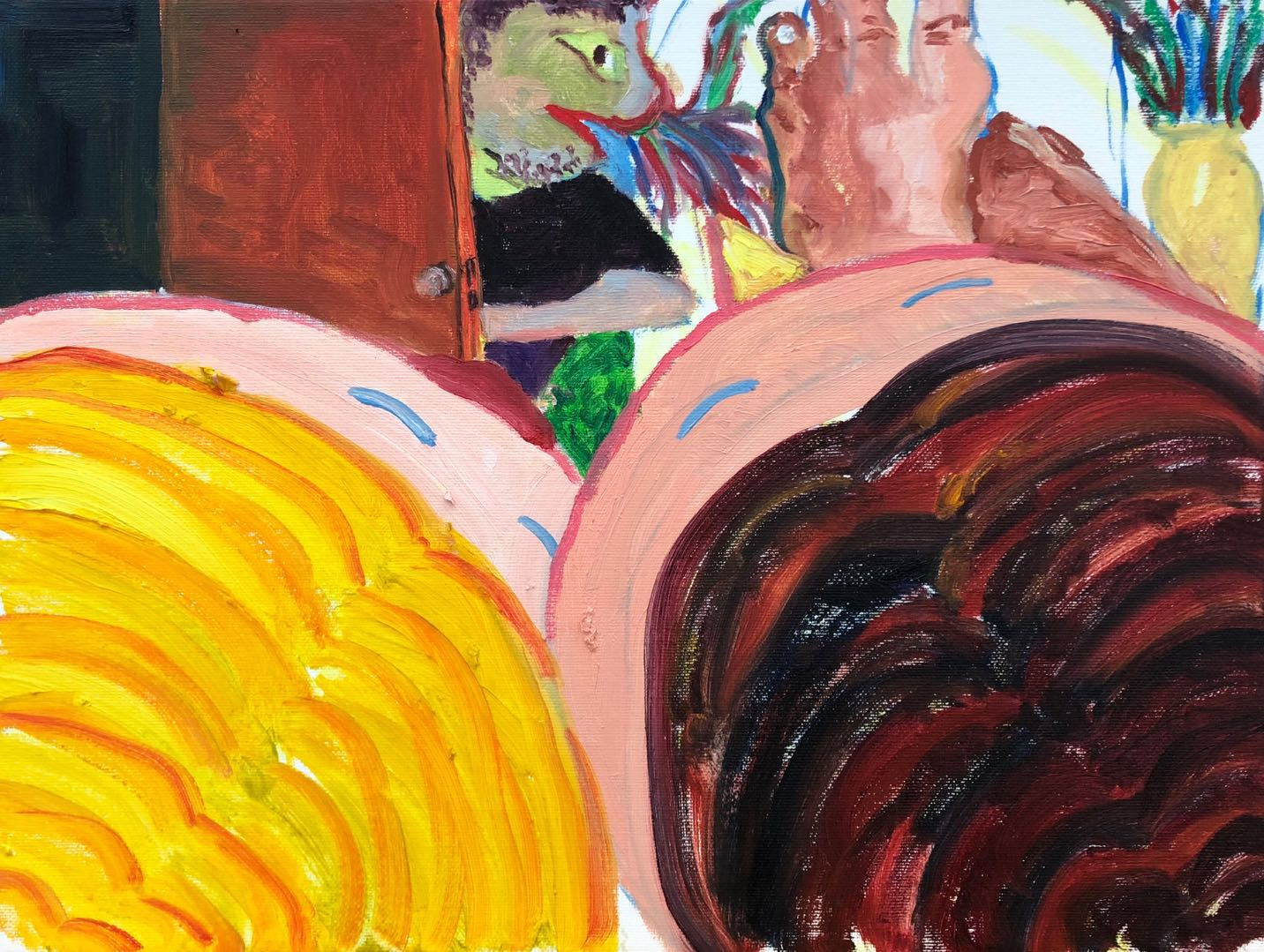
30 x 40 cm, 2018
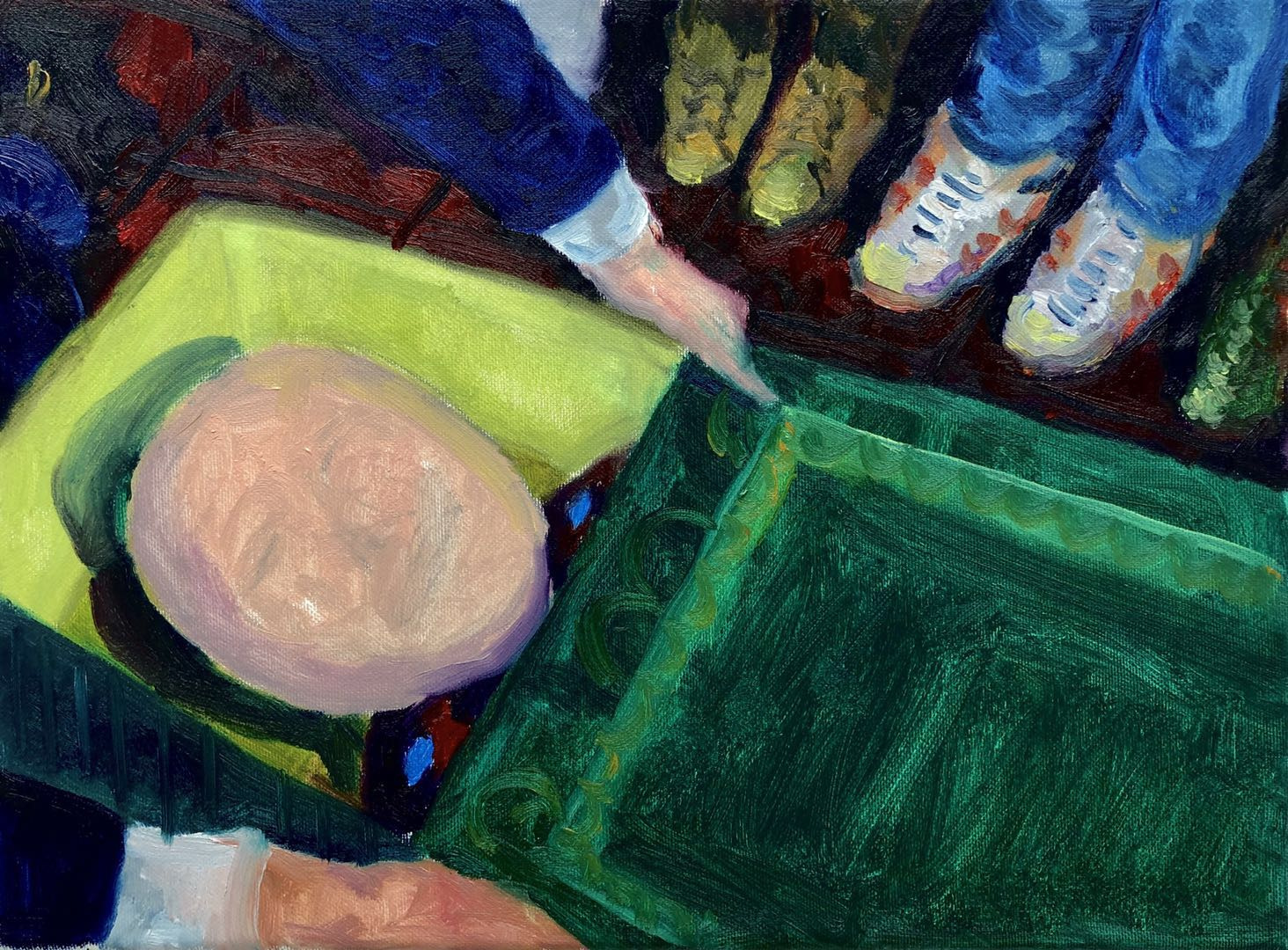
Details unavailable
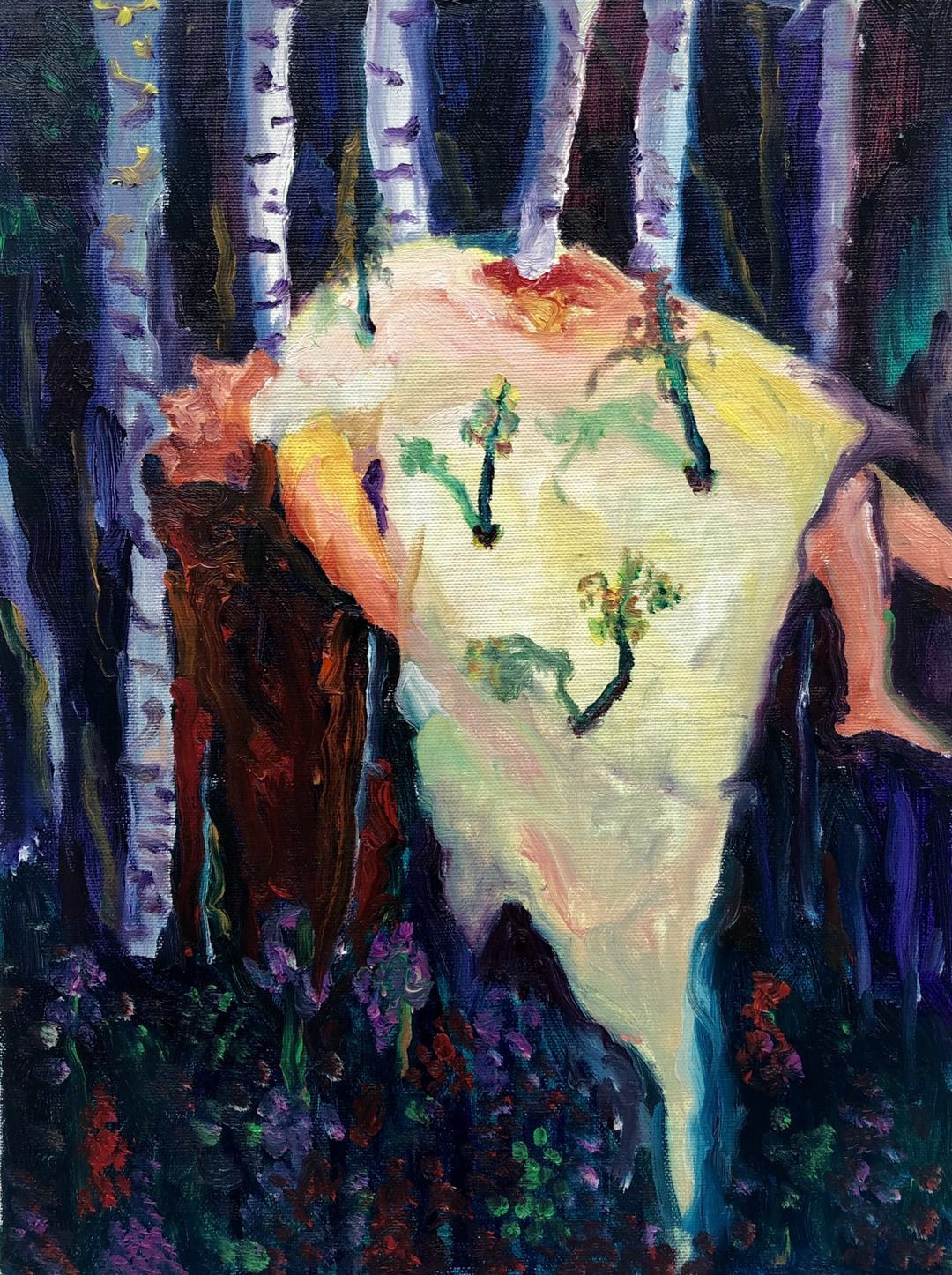
Details unavailable
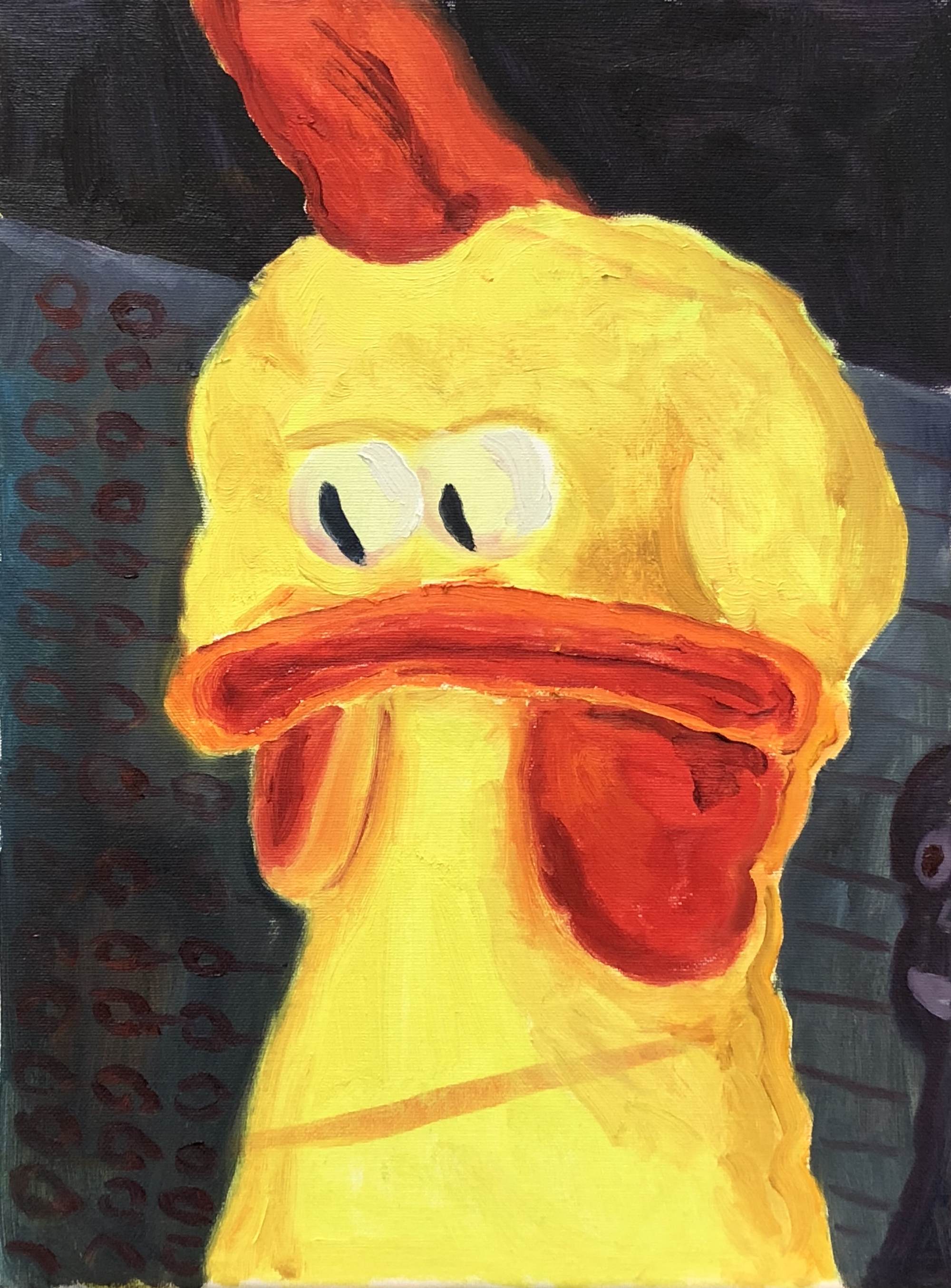
30 x 40 cm, 2019
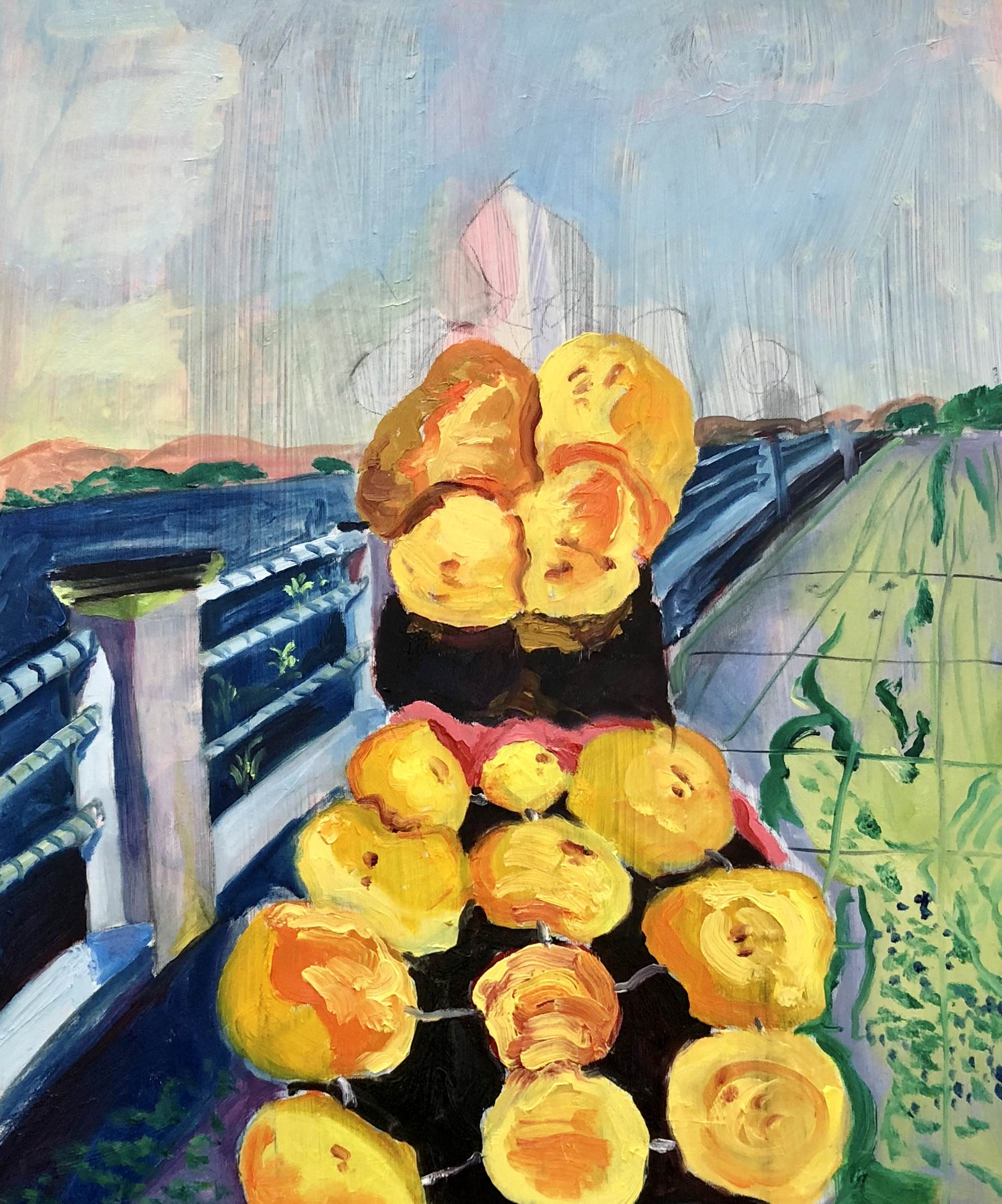
50 x 60 cm, 2019
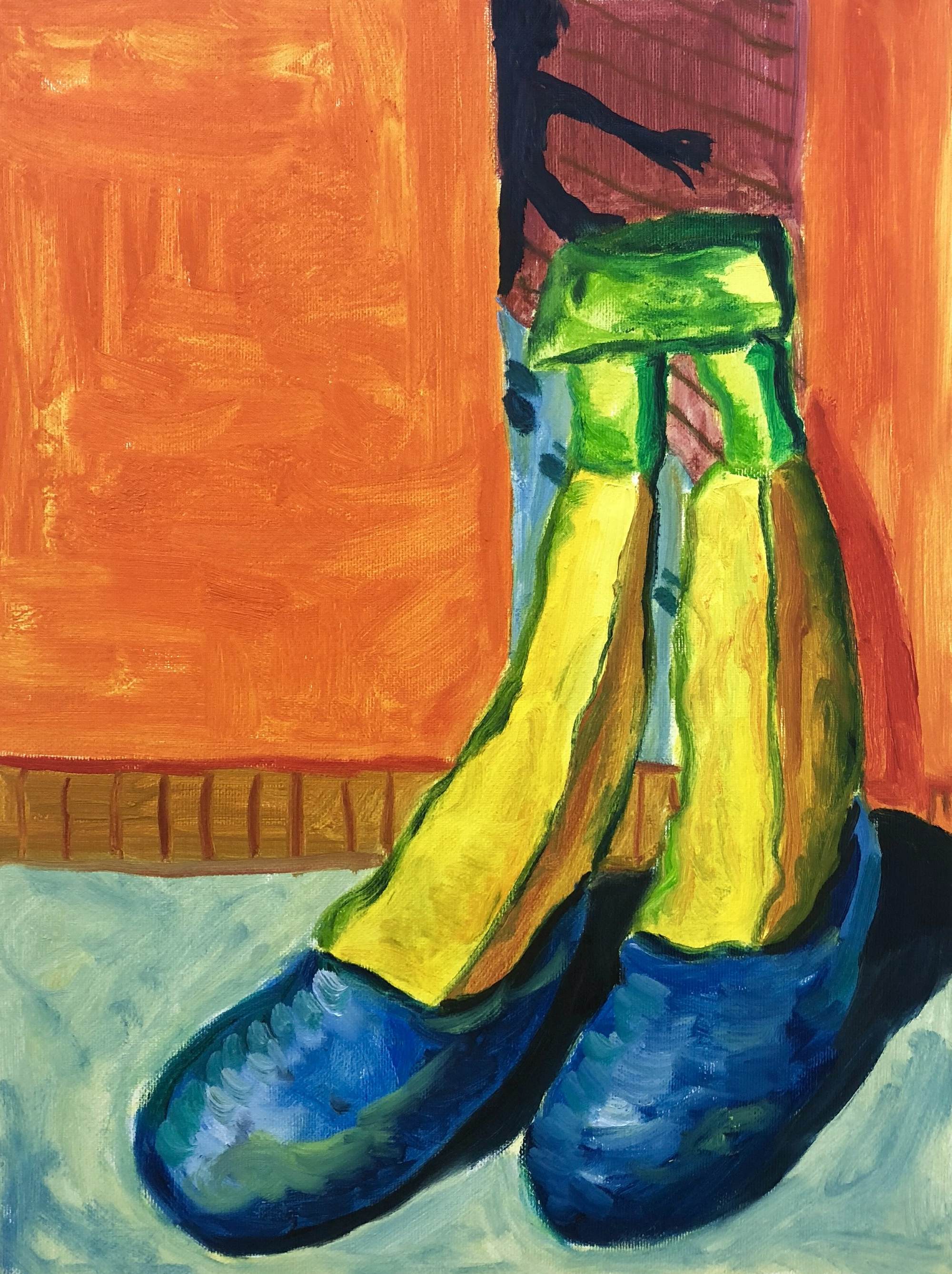
30 x 40 cm, 2018
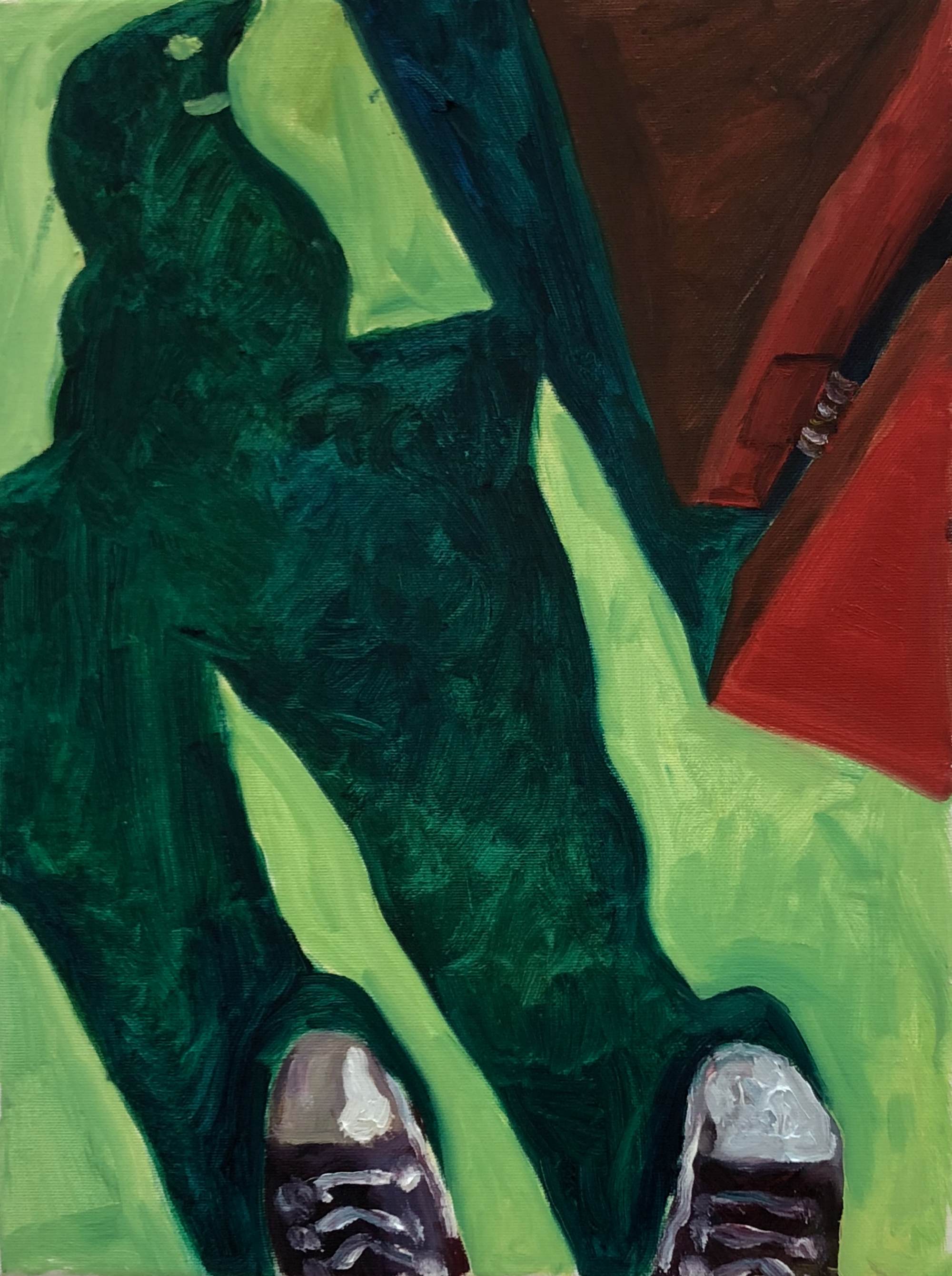
30 x 40 cm, 2019
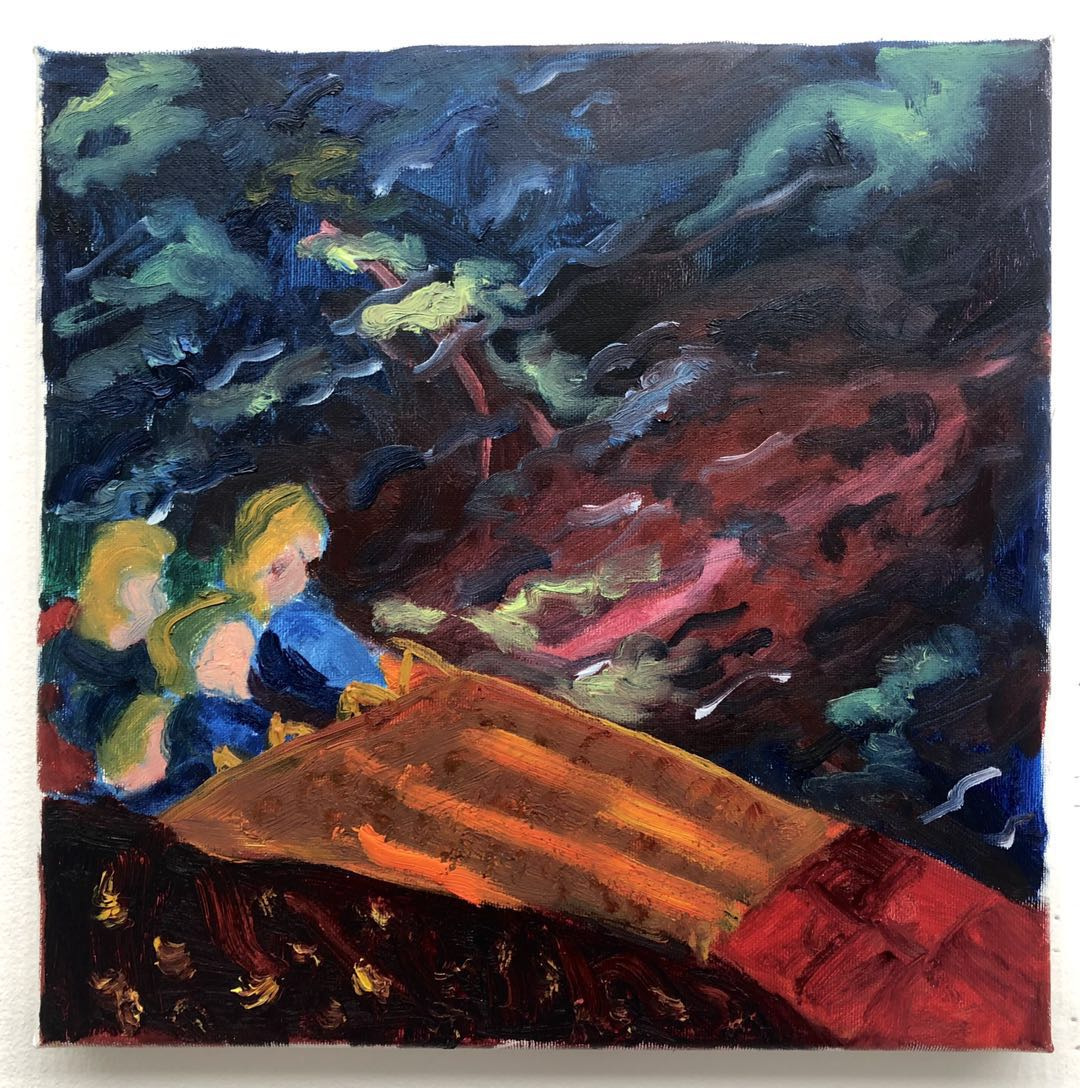
30 x 30 cm, 2019
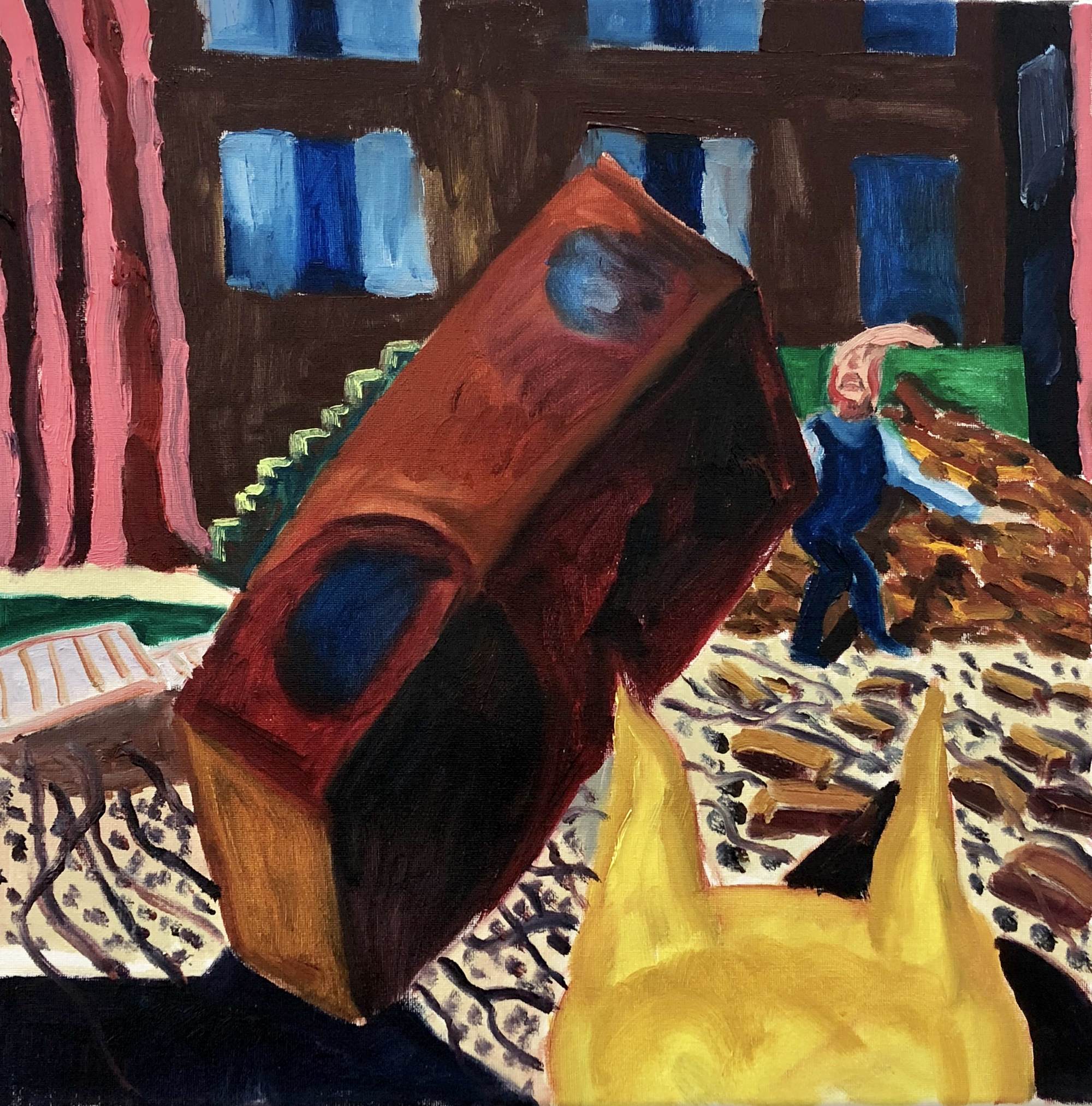
30 x 40 cm, 2019
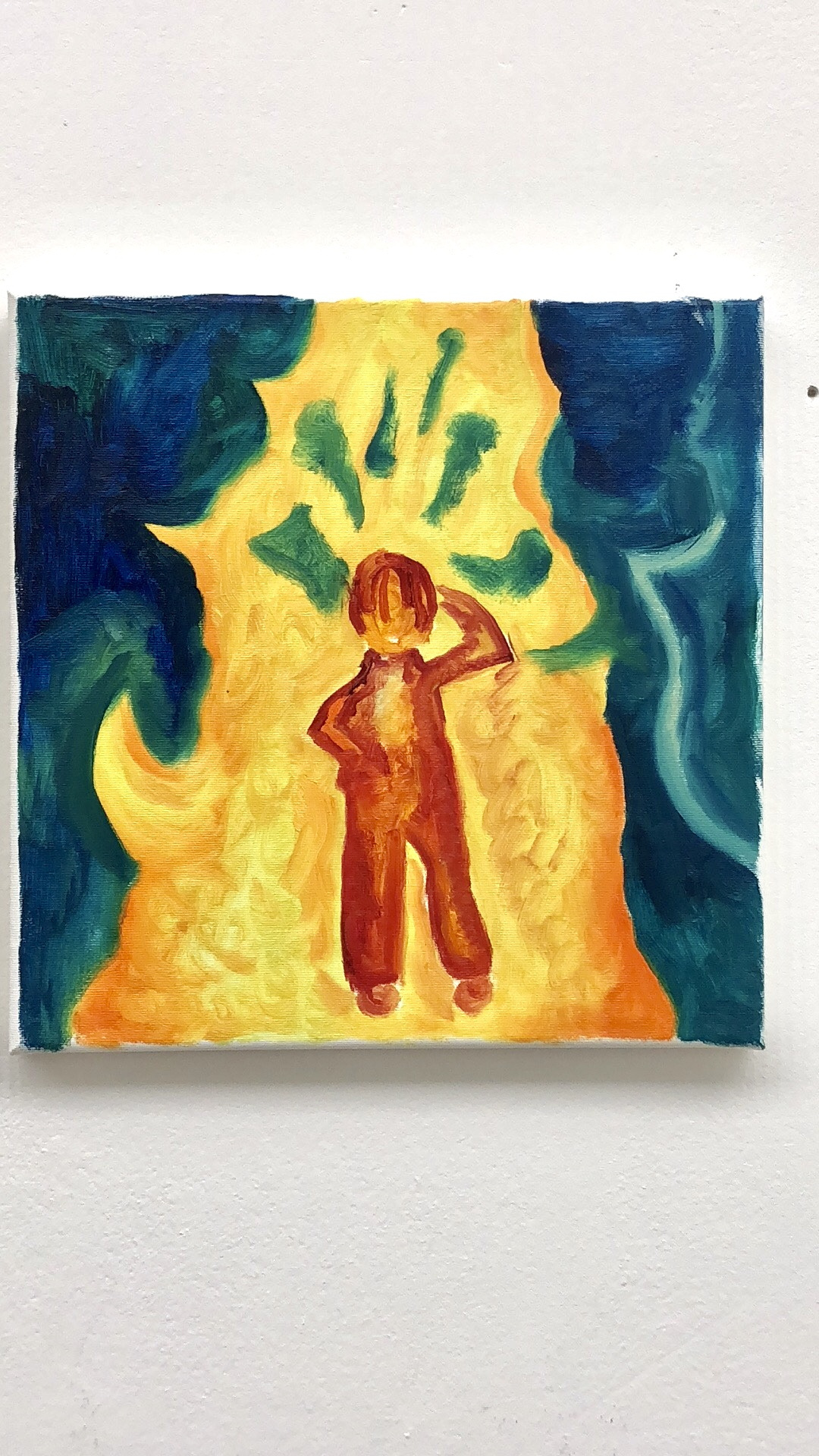
Details unavailable
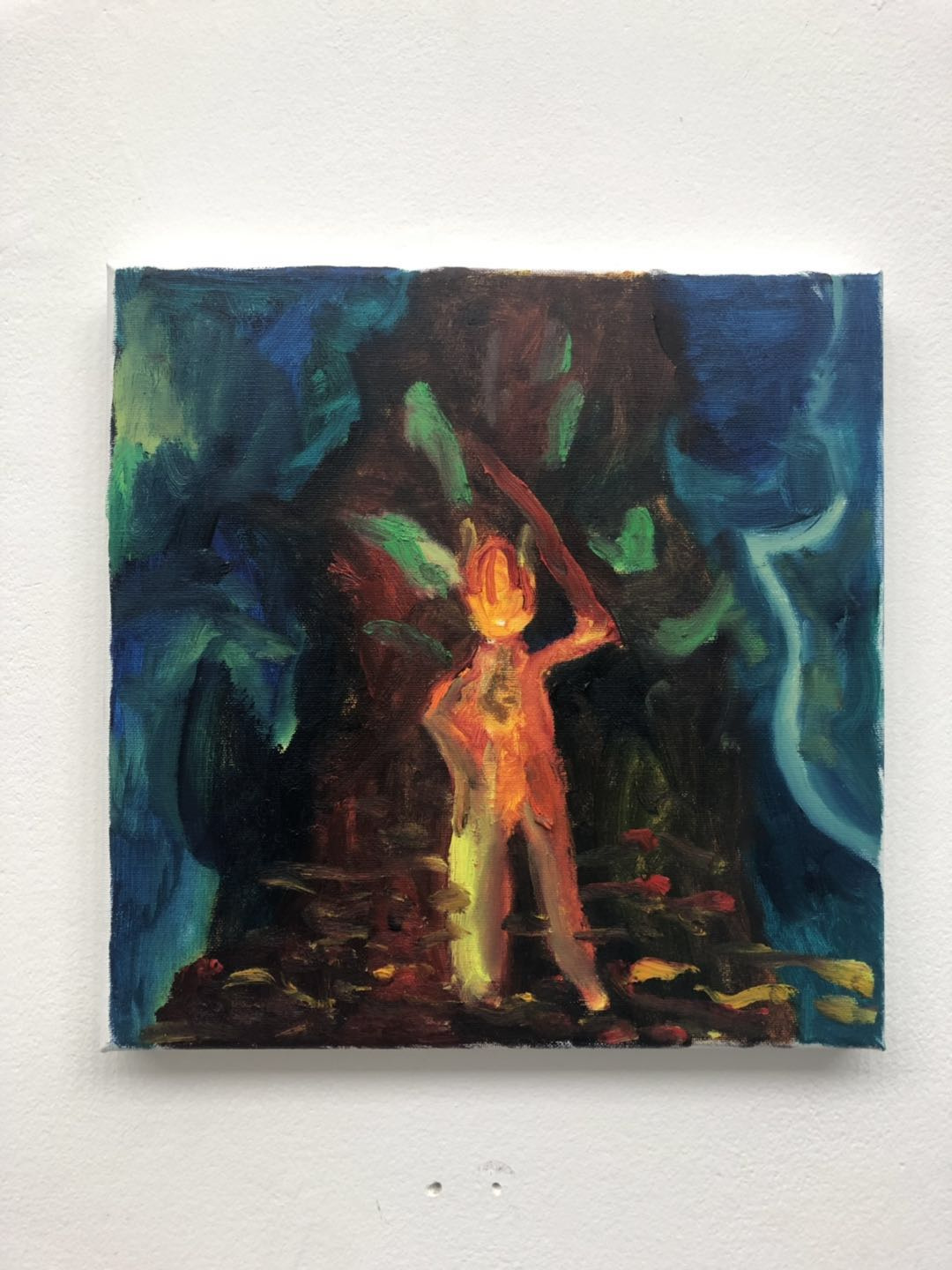
30 x 30 cm, 2019
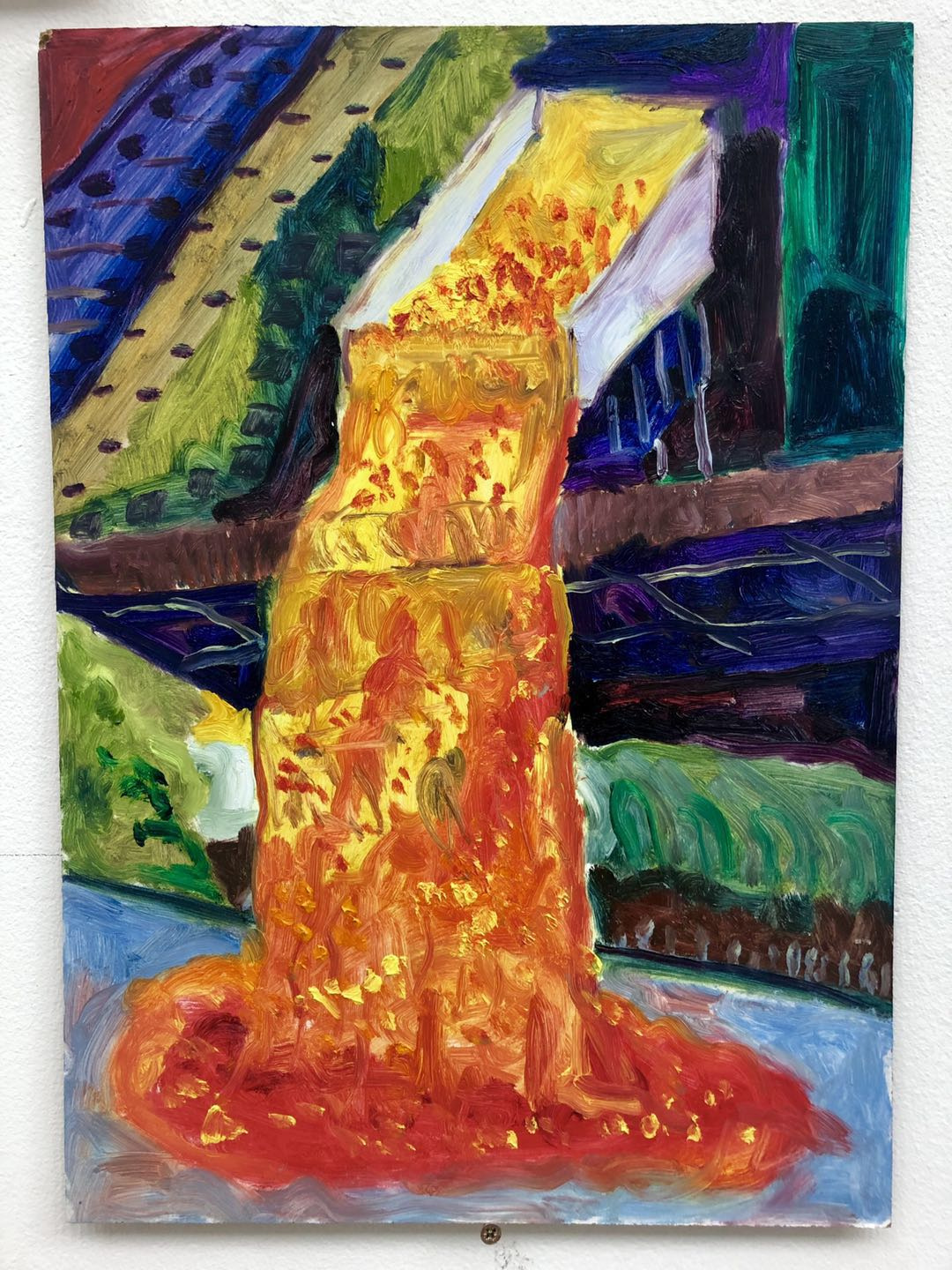
40 x 60 cm, 2019
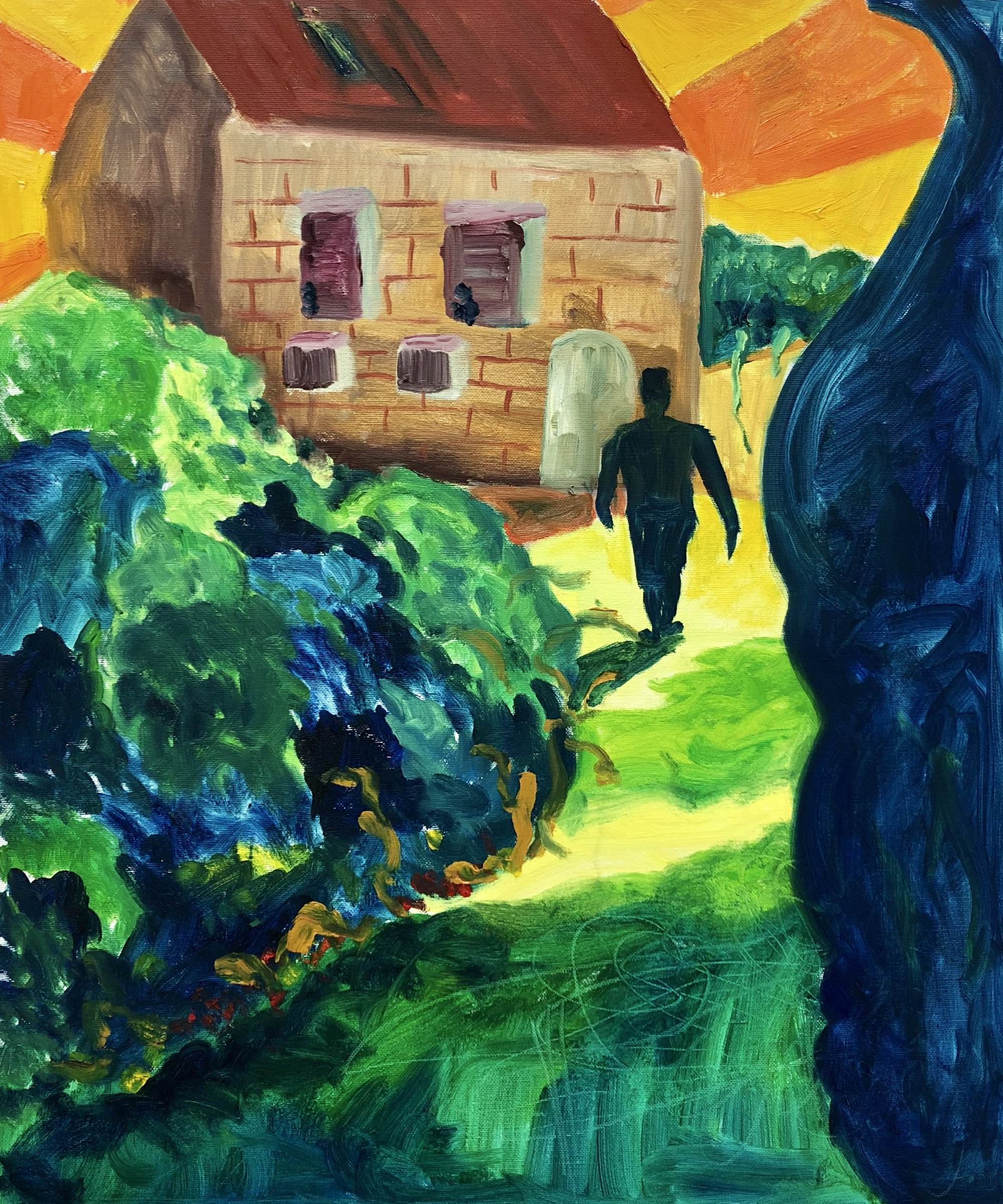
50 x 60 cm, 2018
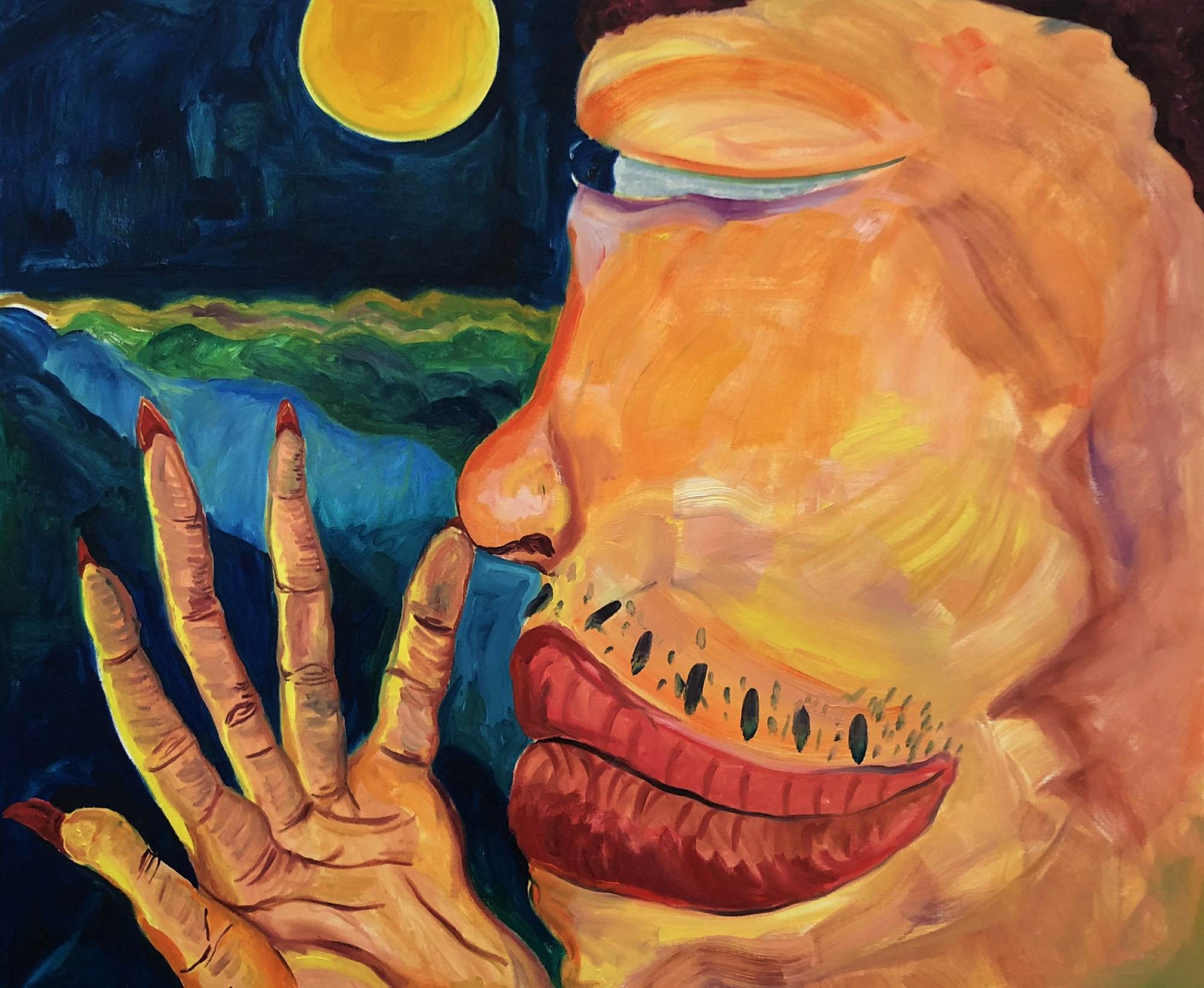
100 x 120 cm, 2018
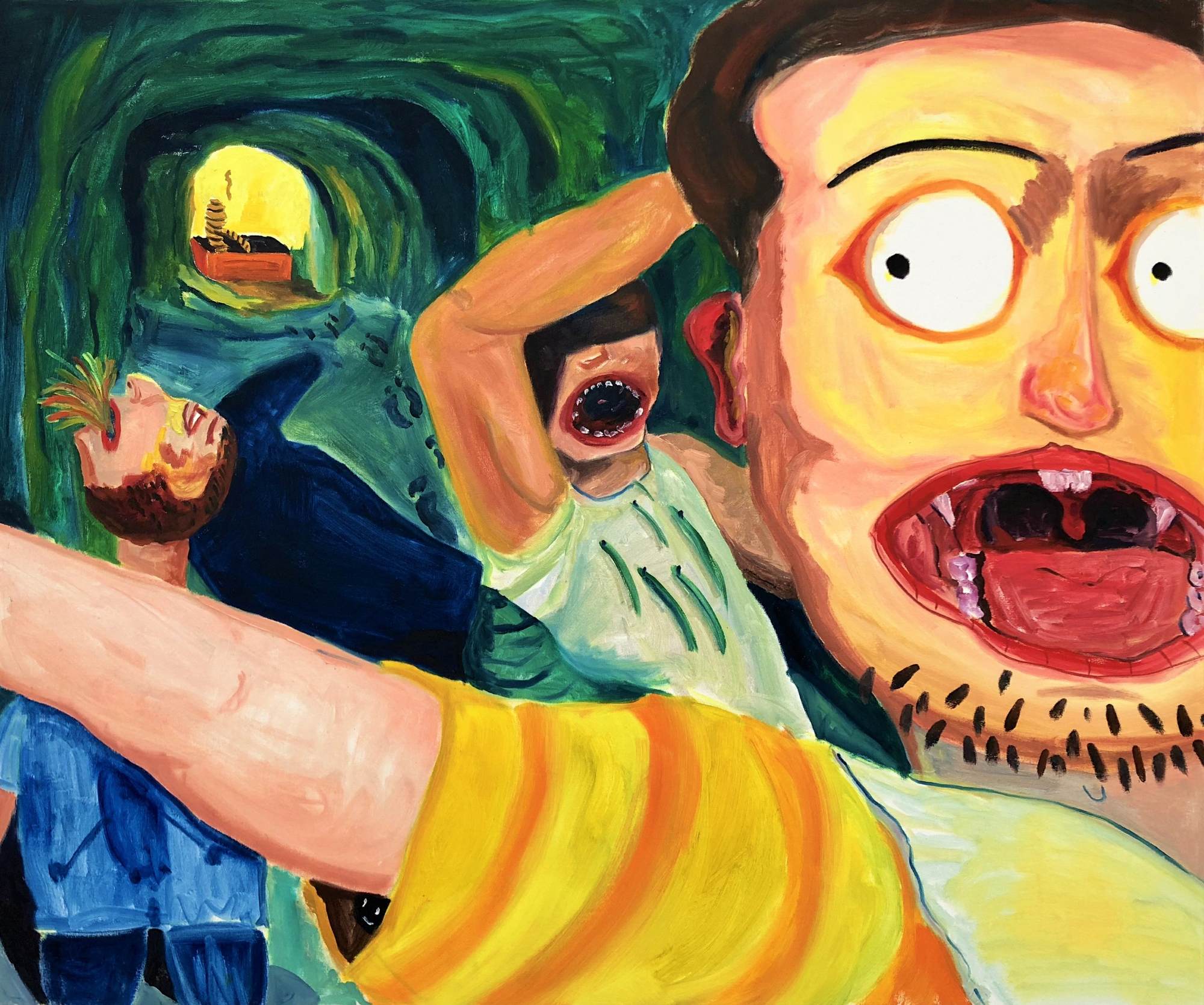
100 x 120 cm, 2018
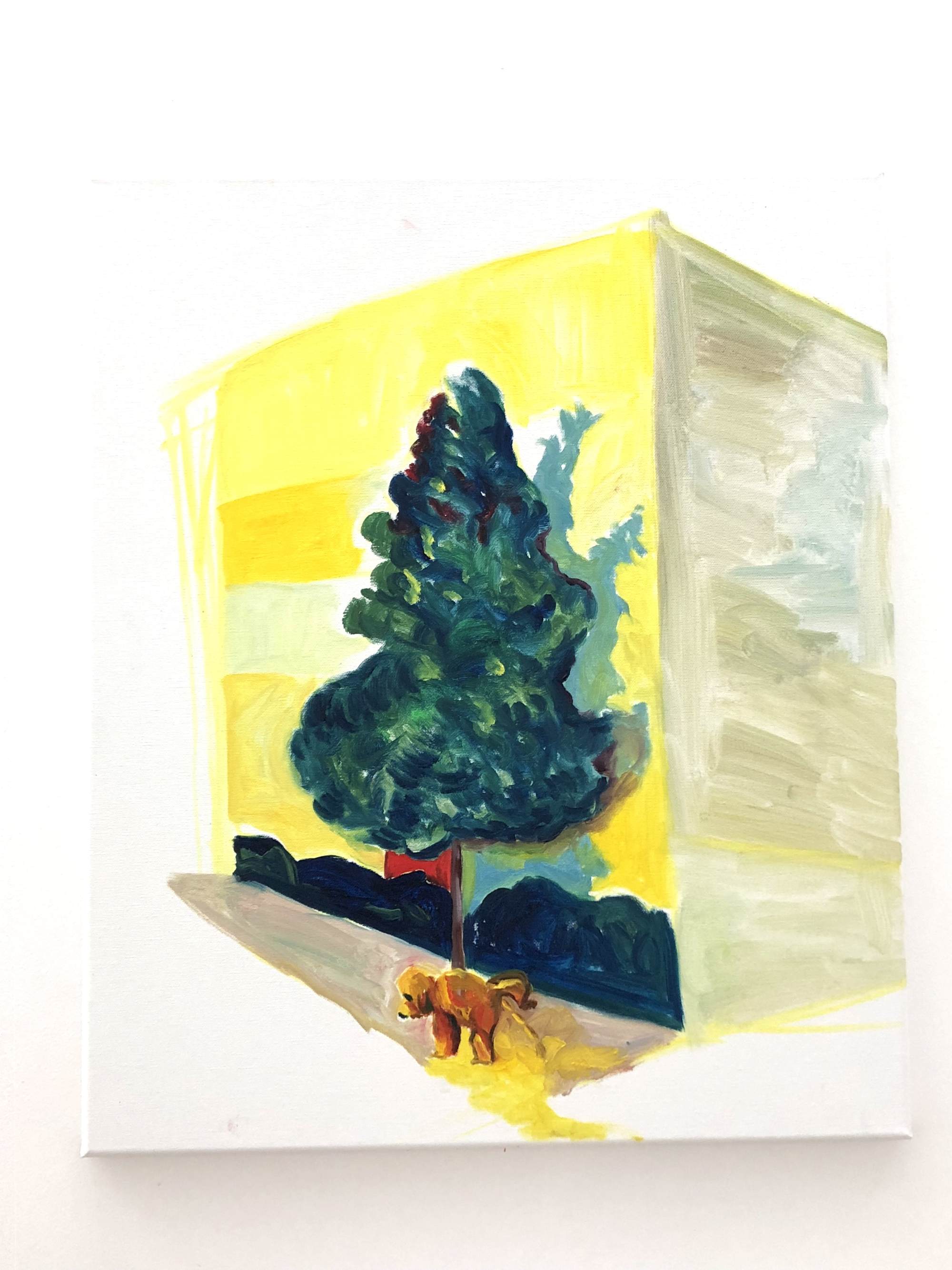
50 x 60 cm, 2018
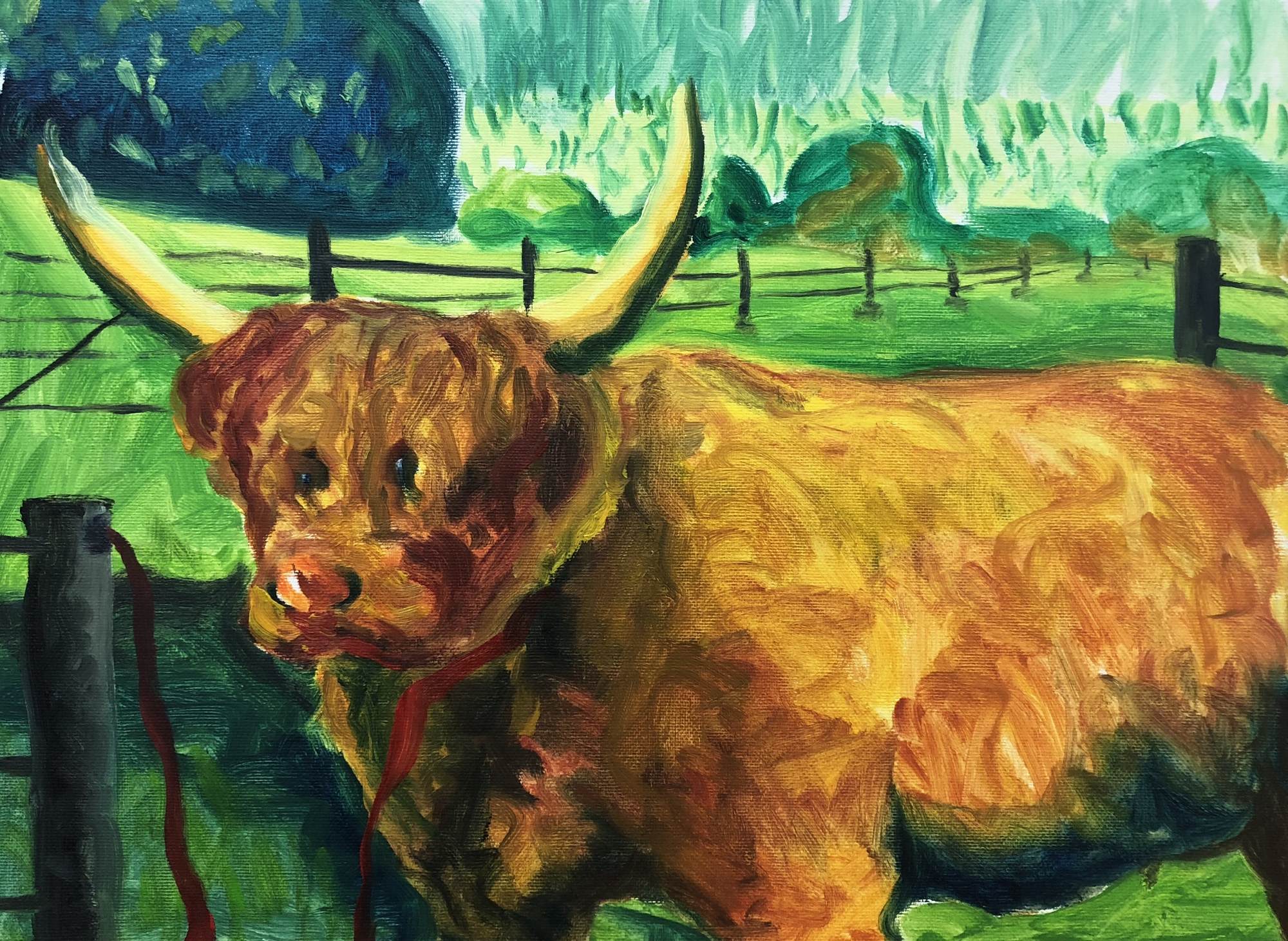
30 x 40 cm, 2018
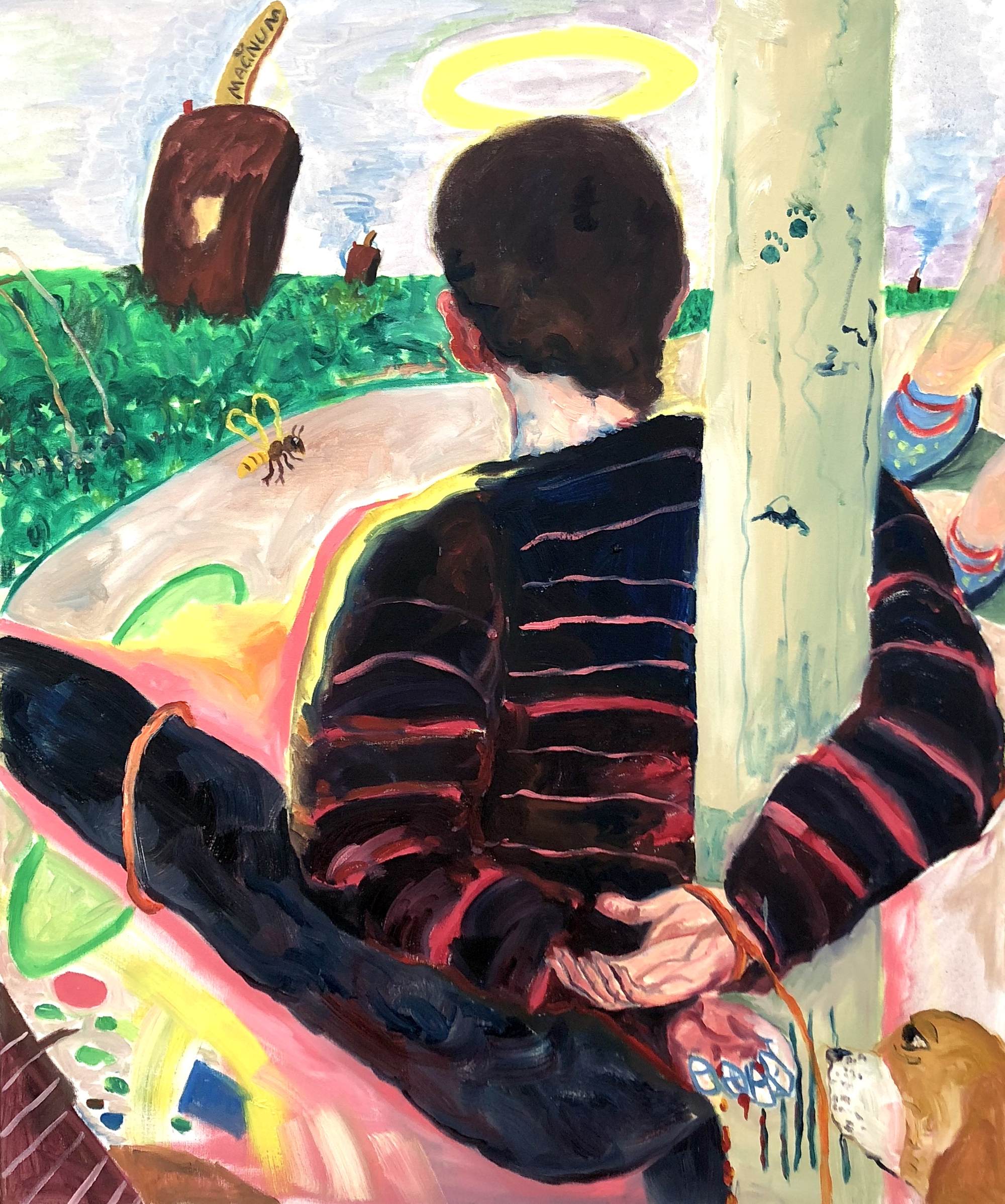
100 x 120 cm, 2018
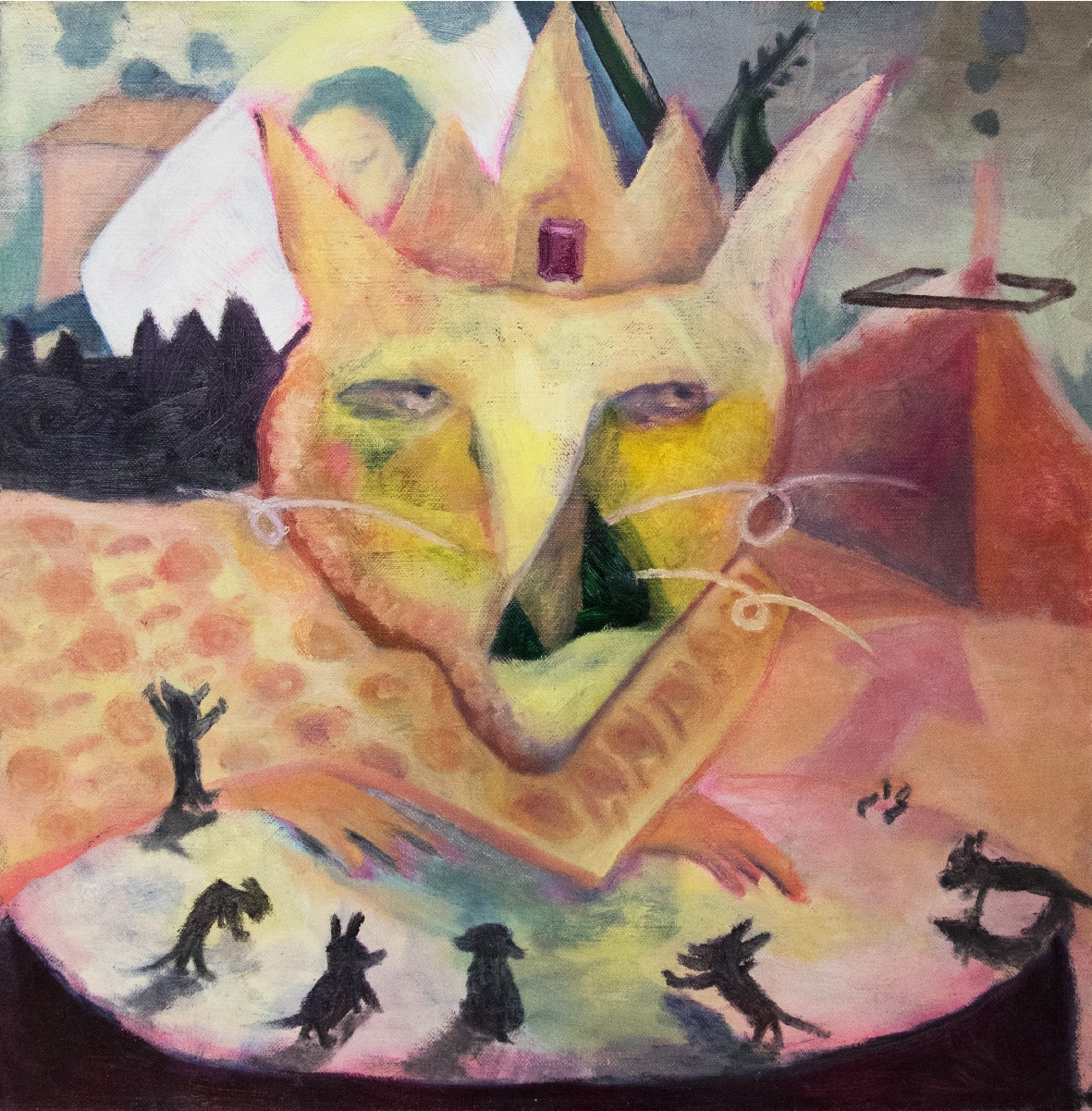
40 x 40 cm, 2017
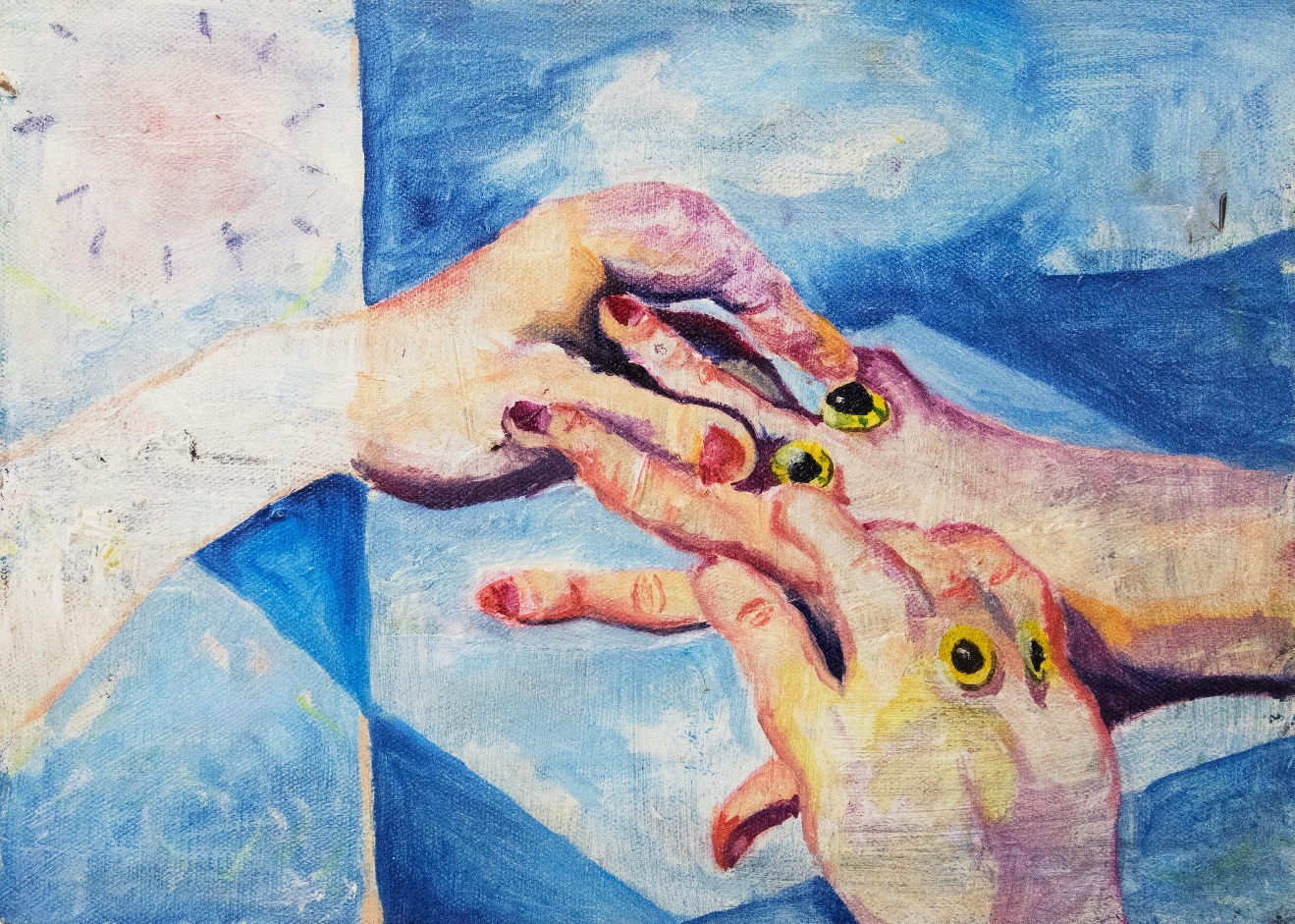
2017
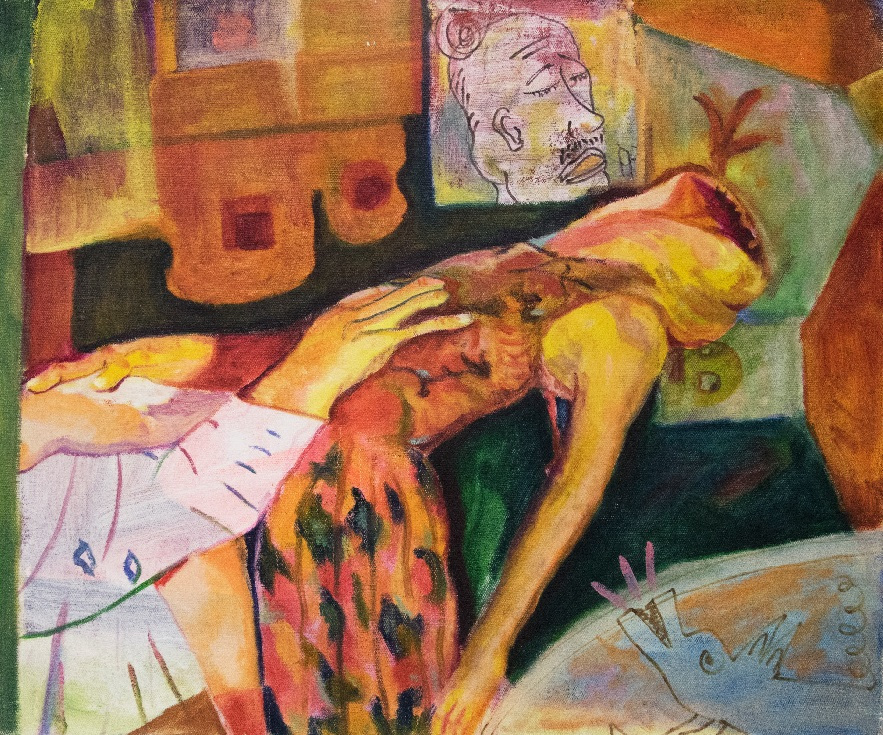
2017
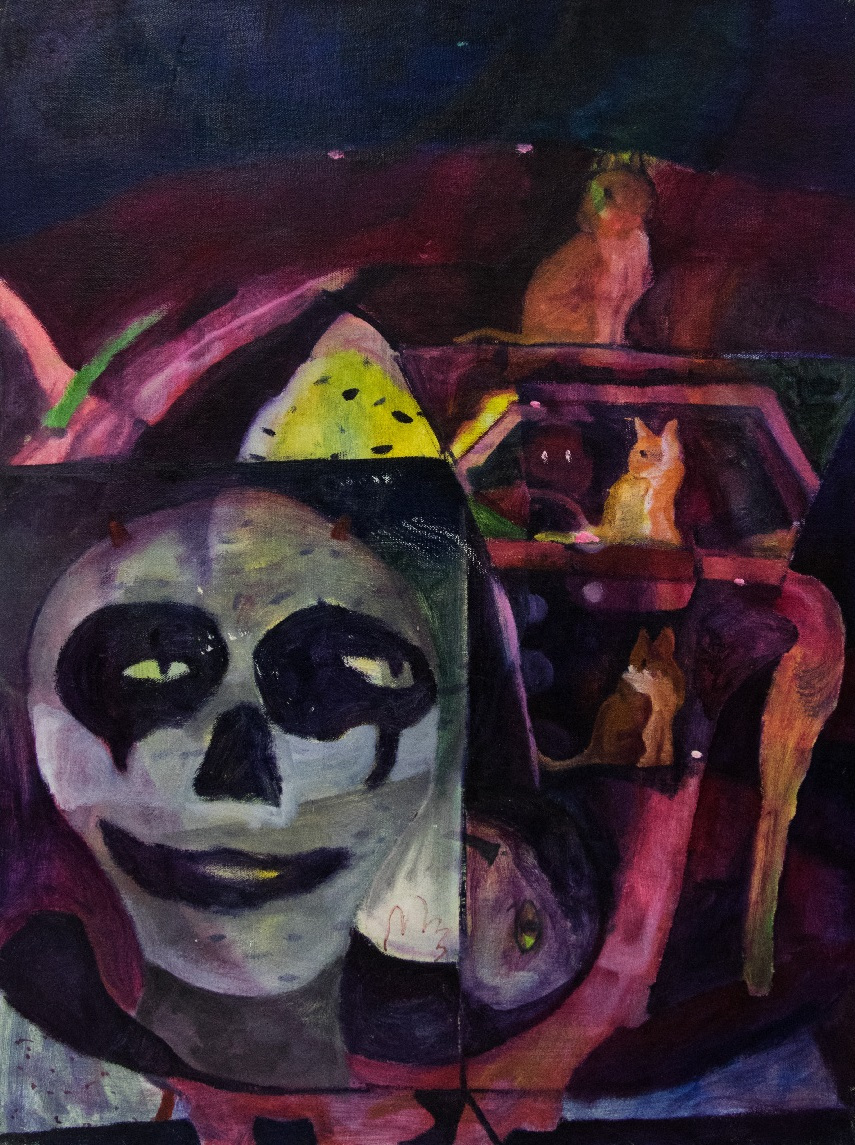
2017
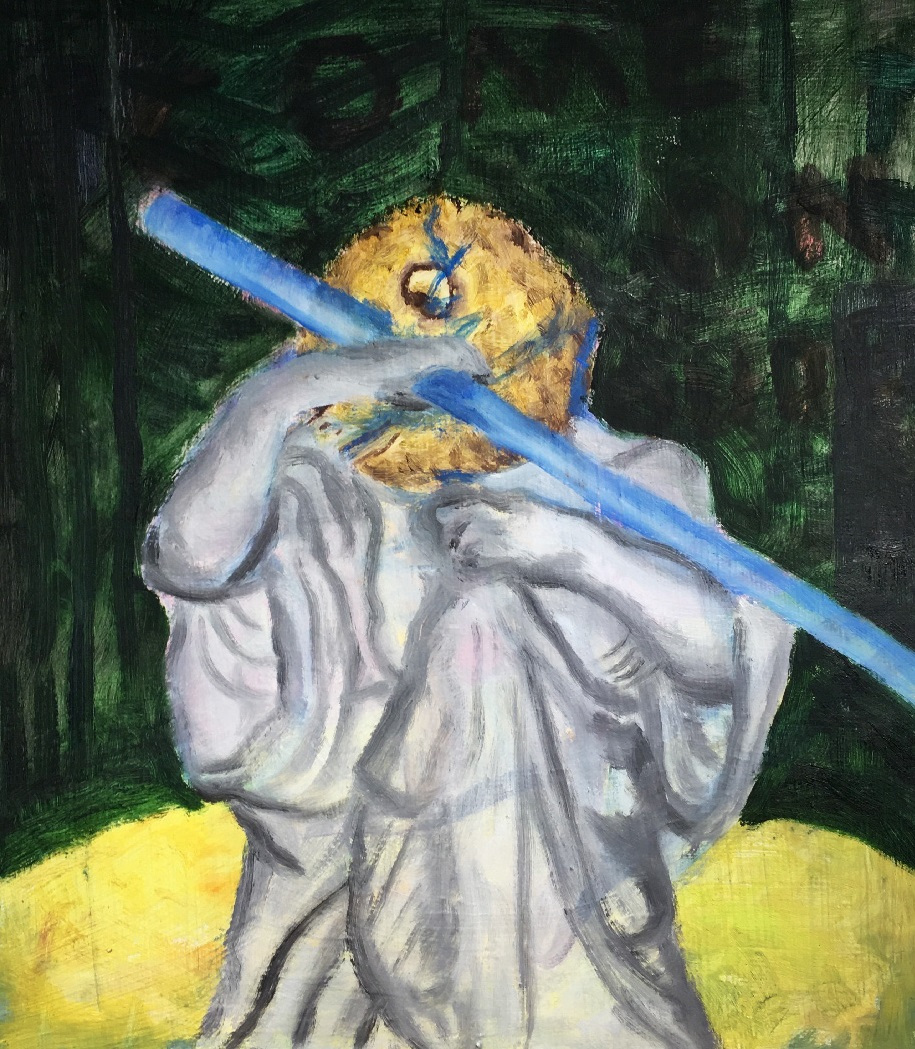
2017
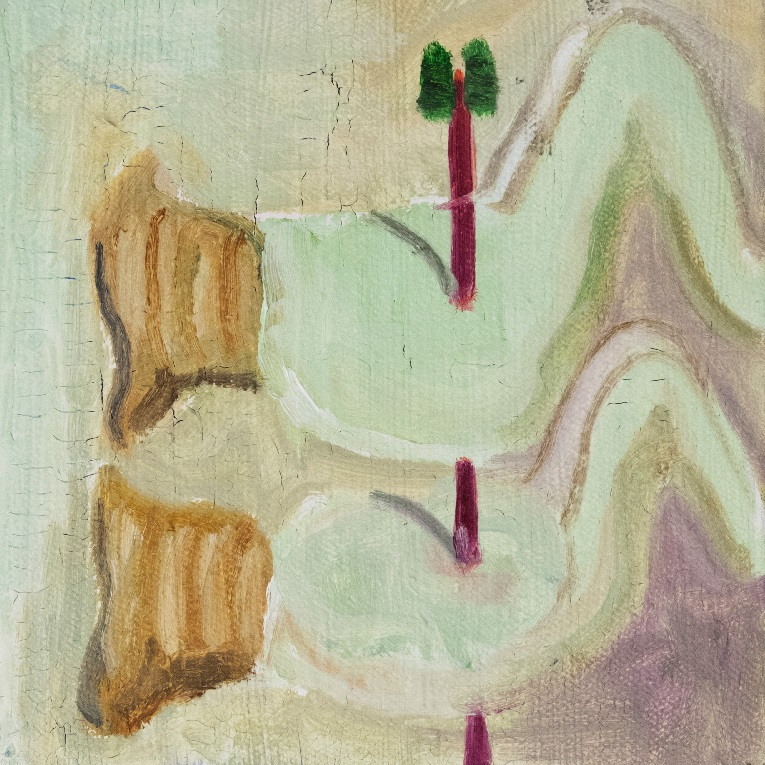
2017
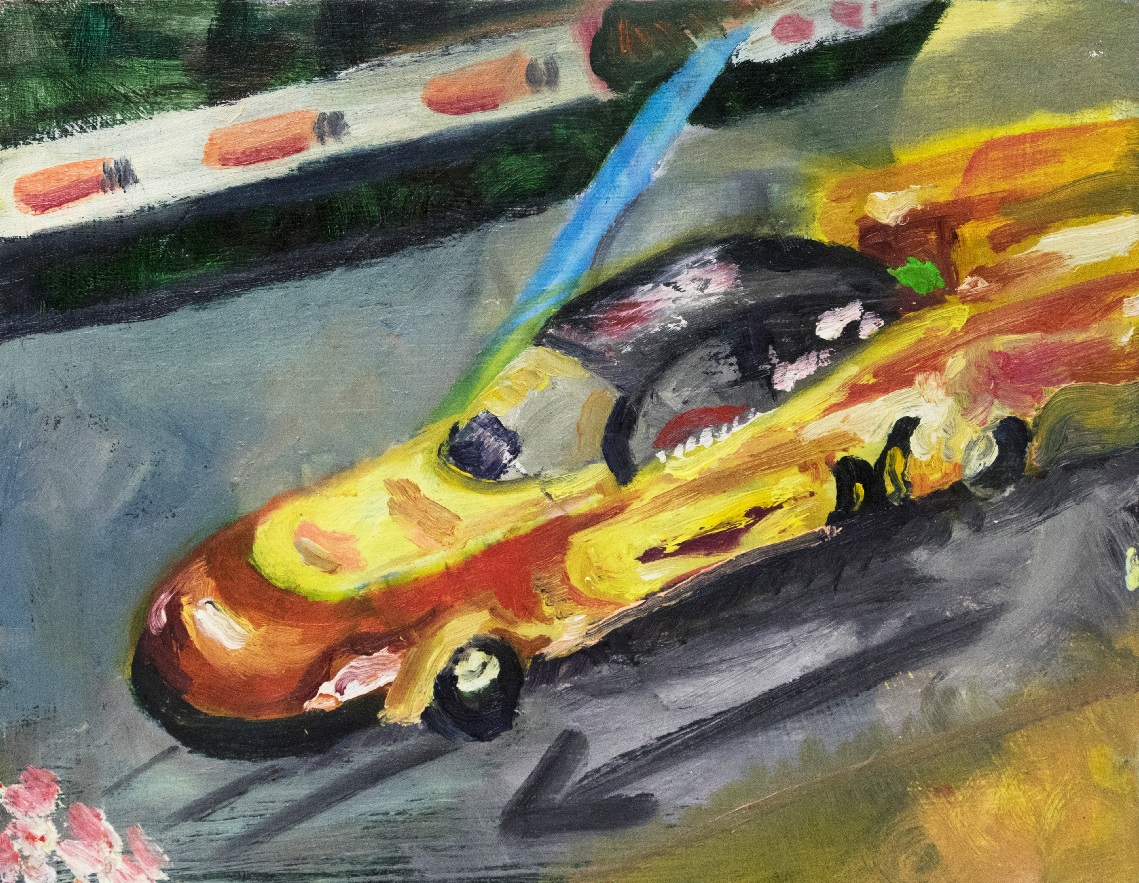
2017
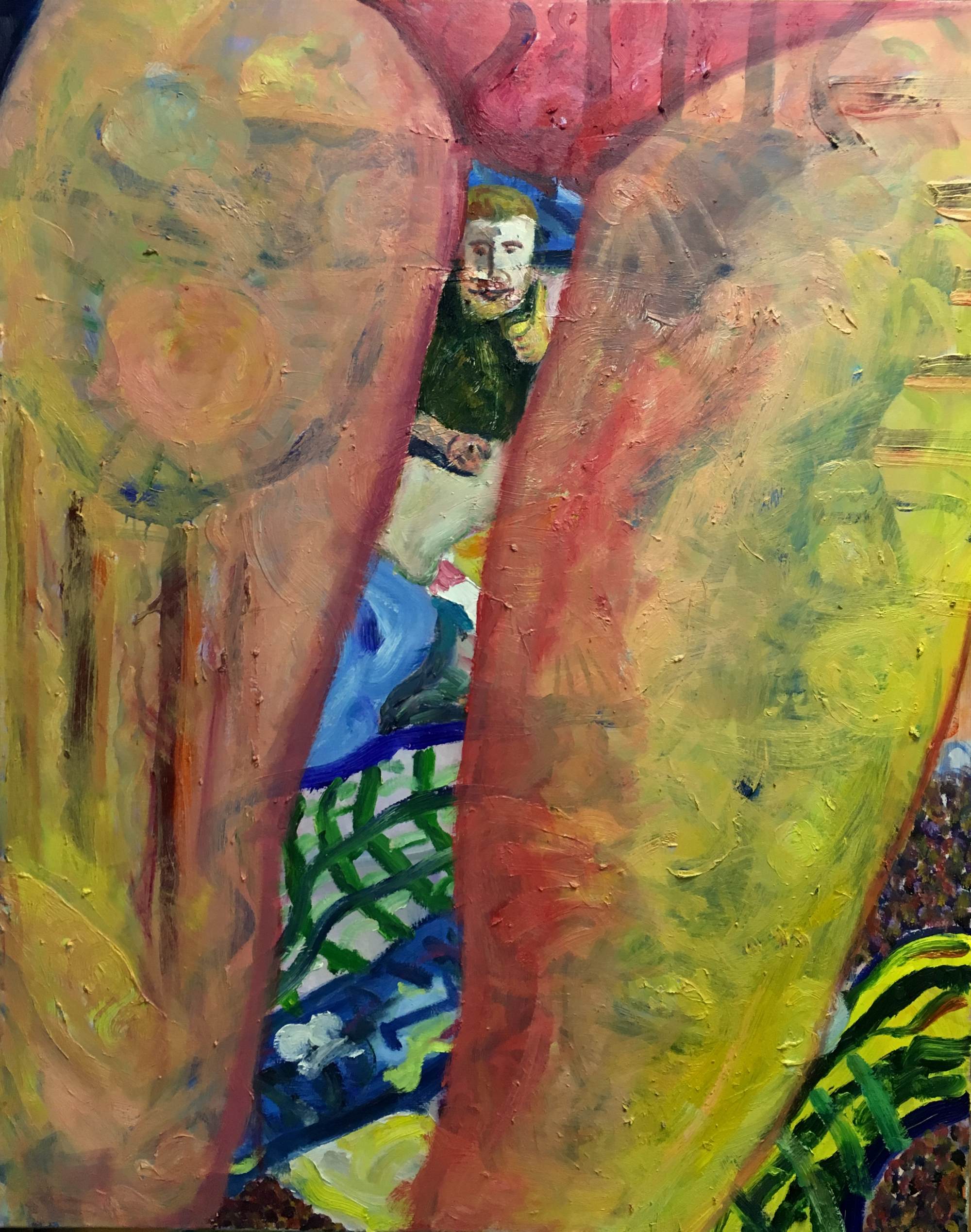
2017
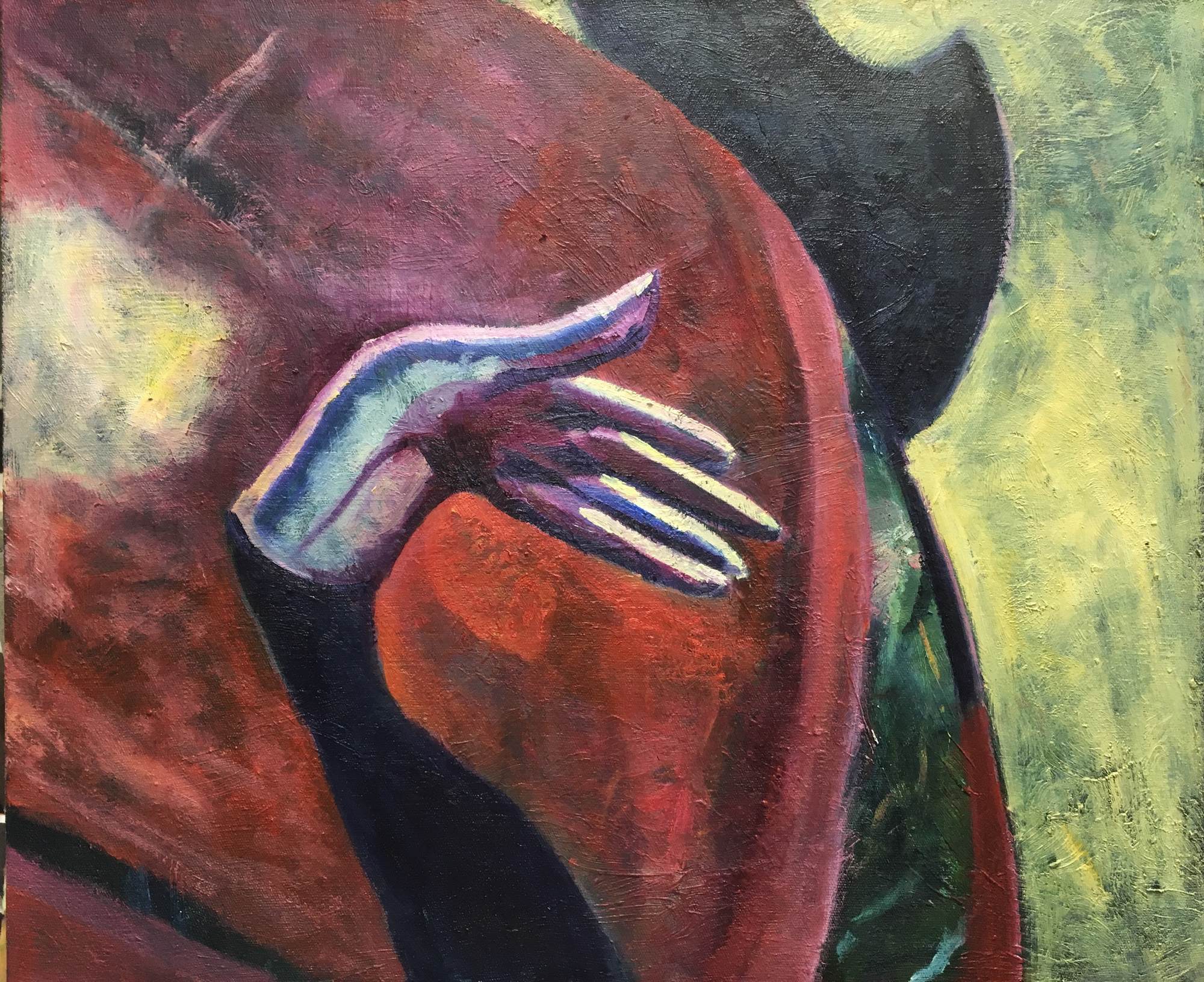
2017
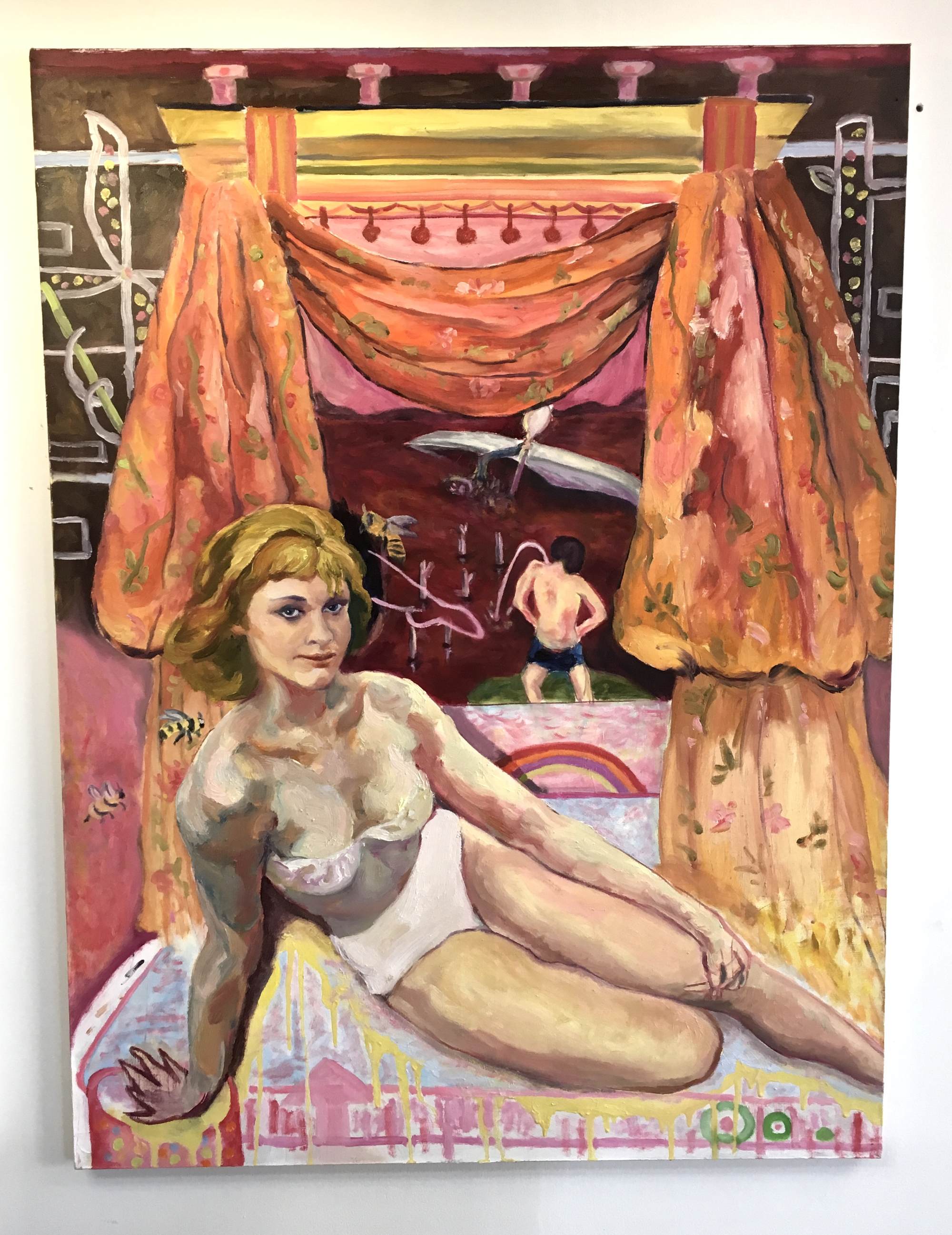
2016
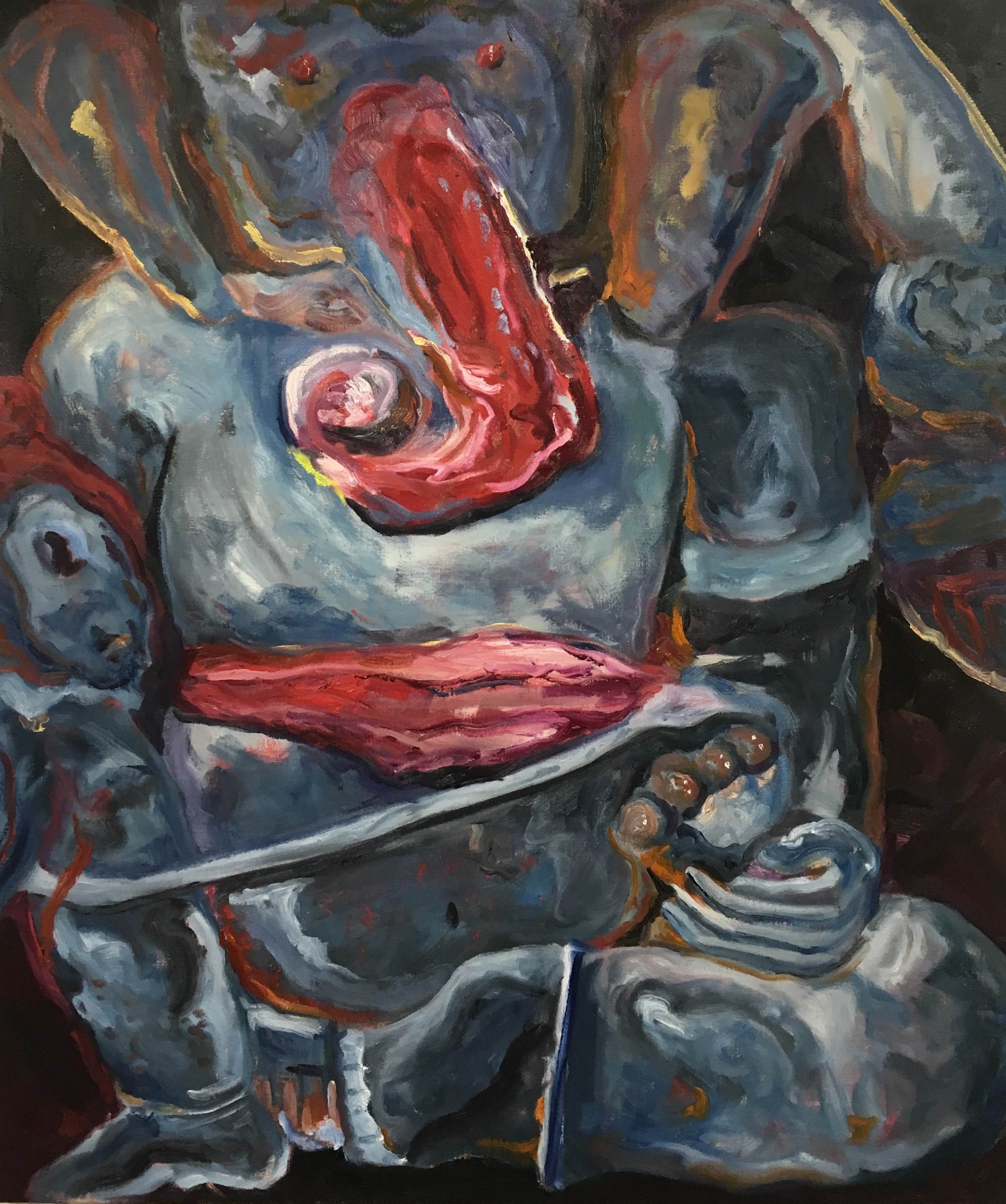
2016
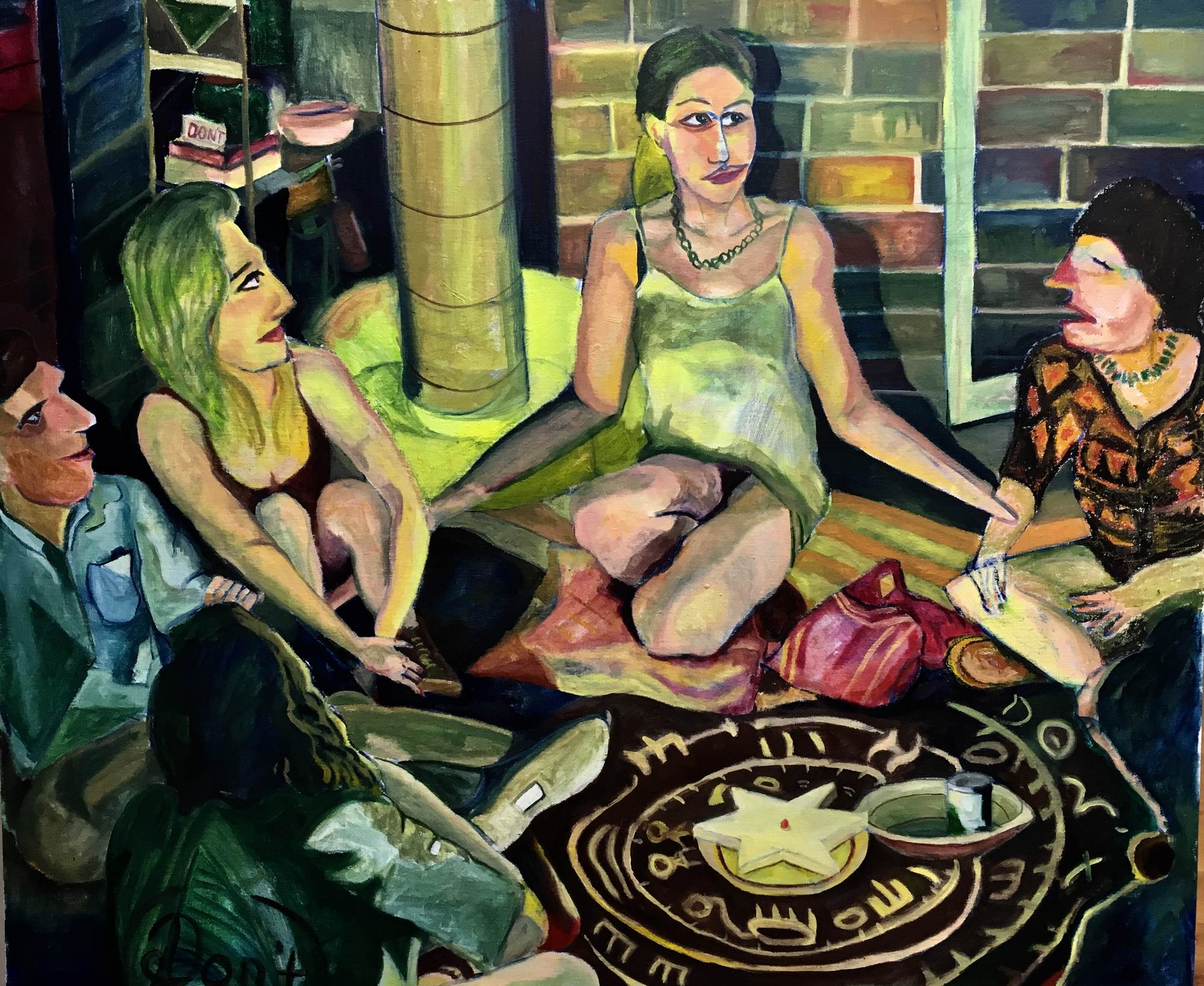
2016
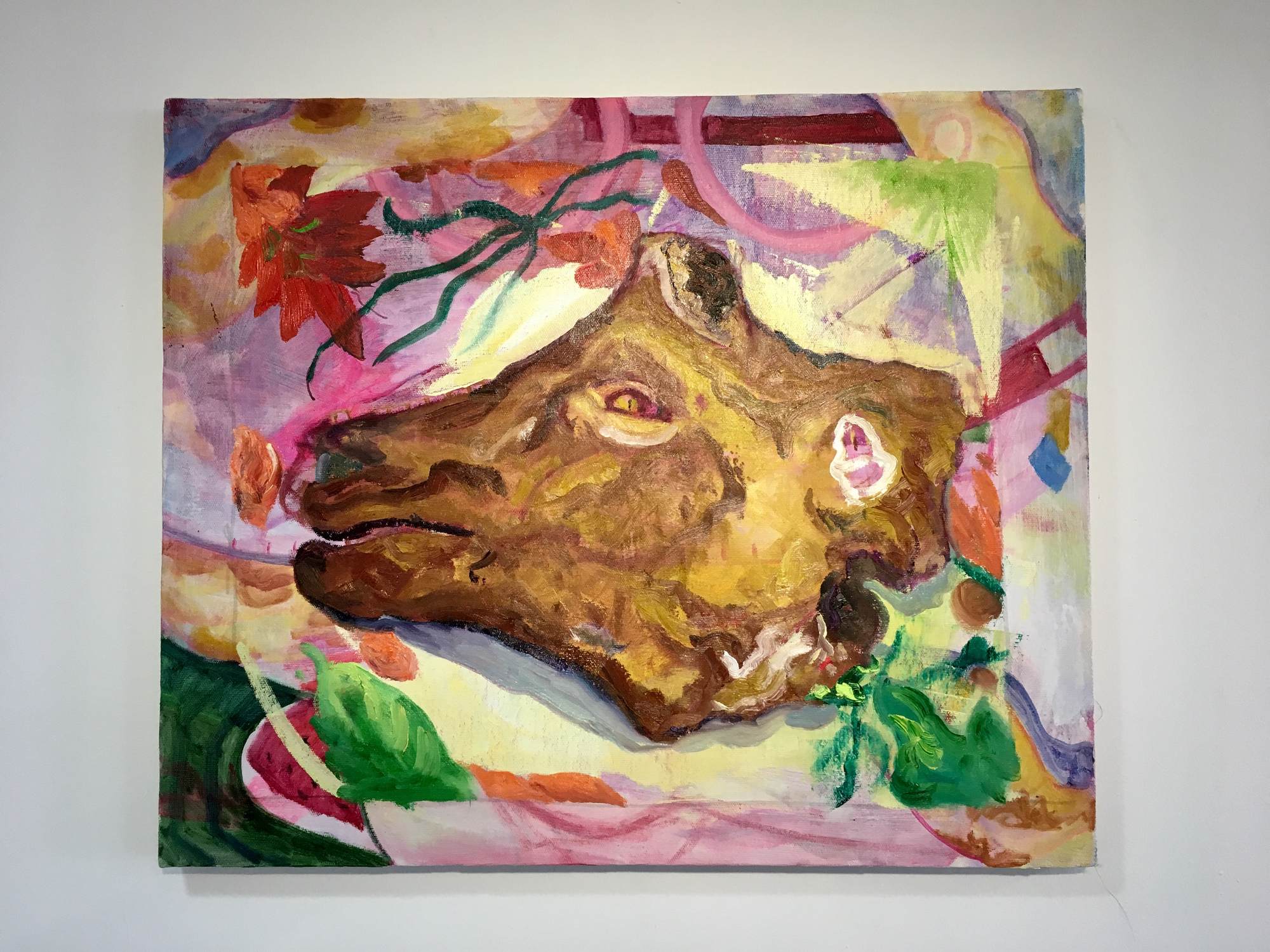
2016
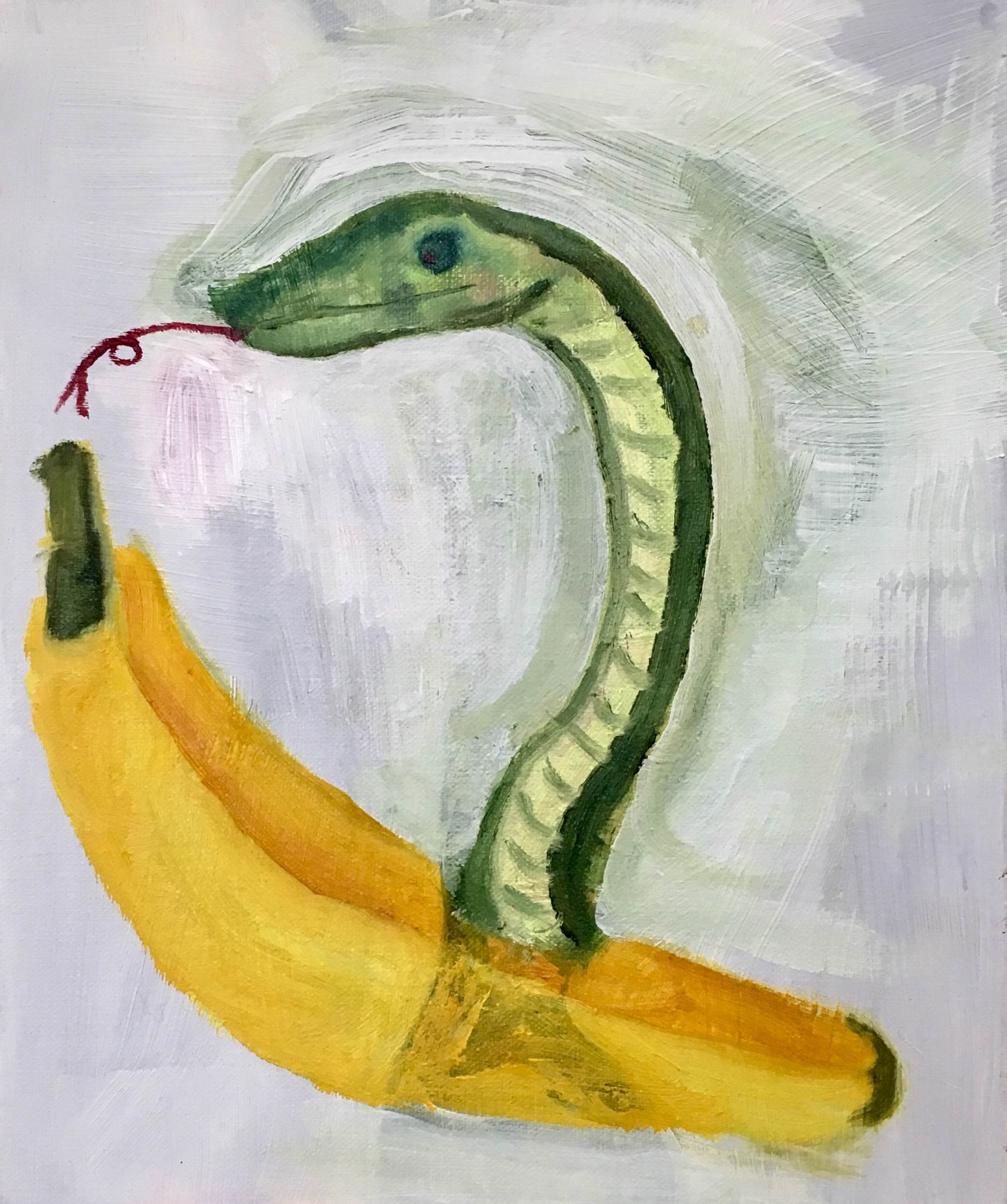
2016
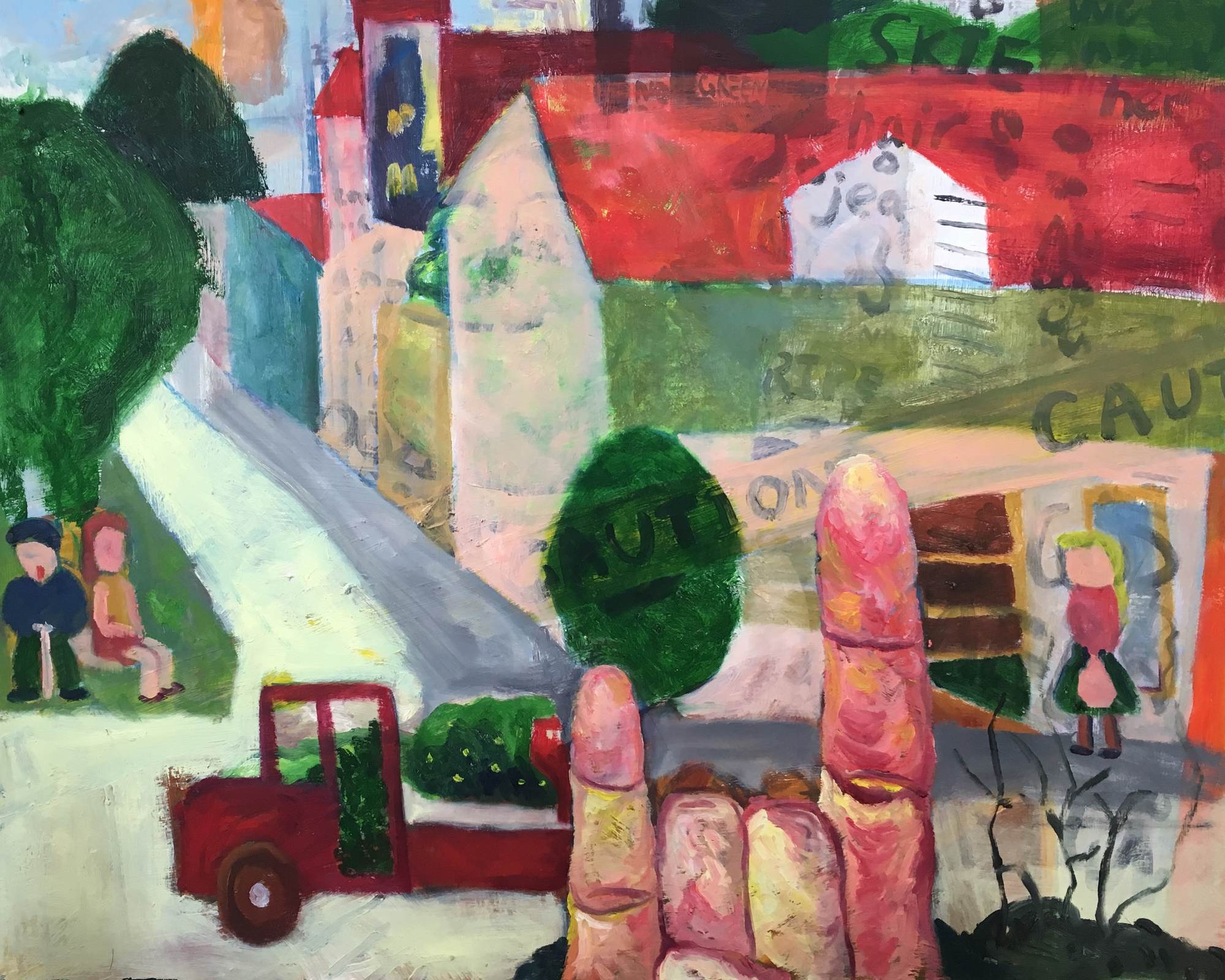
2016
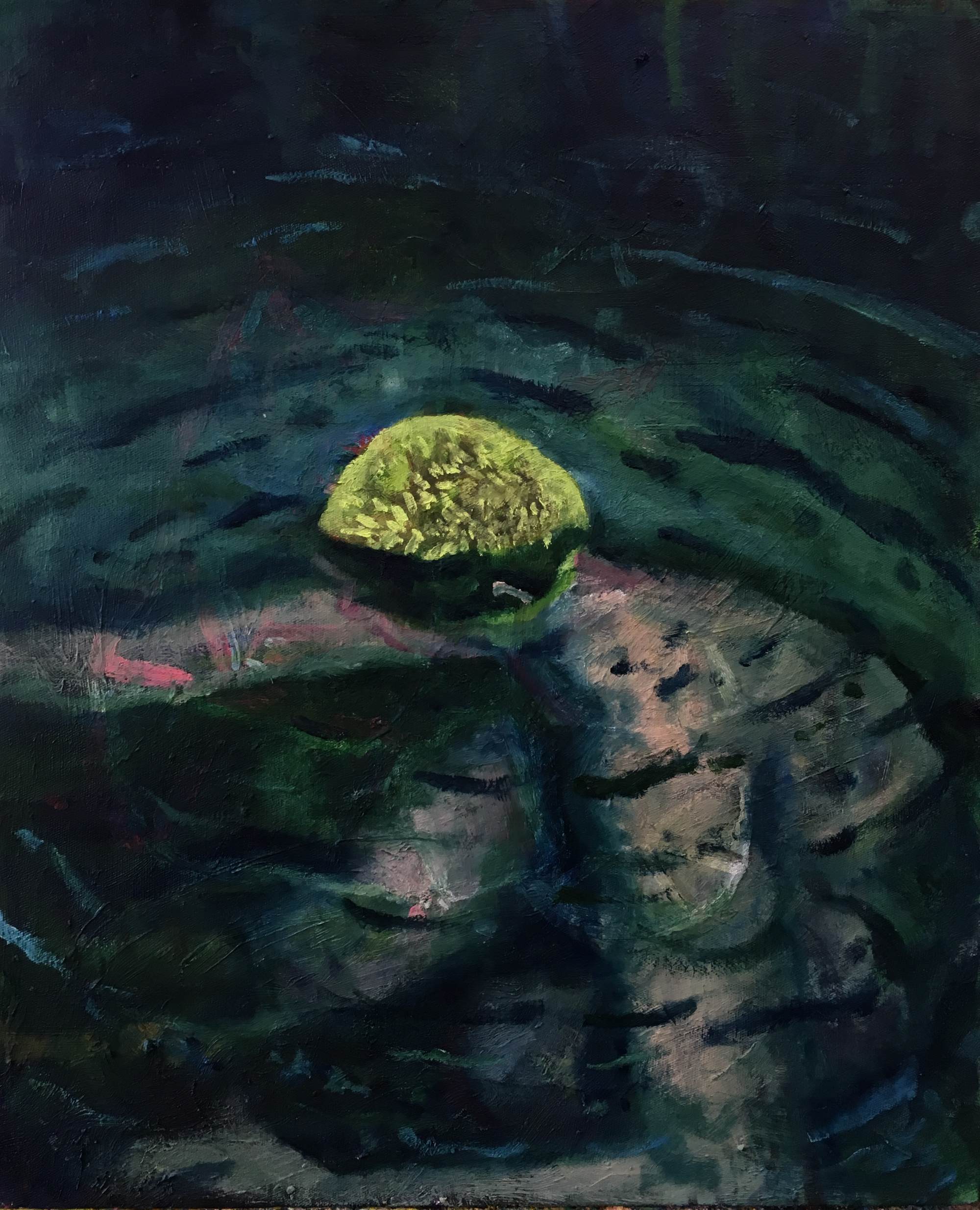
2016
Biography
Hengzhi Gong (b. 1995, Chongqing, China) is a painter living and working in London. He holds a BSc in Industrial Design from the Beijing Institute of Technology (2018), an MA in Painting from the Royal College of Art (2020), and a PhD in Arts and Humanities from the Royal College of Art (2025).
Gong's painting depicts black humour narratives in scenes that inhabit a space between realism and surrealism. These works are neither fully surreal nor strictly realist; rather, they occupy an ambiguous position that is at once possible and impossible, tangible yet elusive. They might occur, though perhaps not within the reality we recognise.
Central to Gong's practice is an anxiety about the loss of history, intensified by the fragmented perception of time in the era of postmodernism, where memory and temporality in painting dissolve into fleeting glimpses consumed through internet platforms and social media. His images are melancholic, broken, and fragmentary, standing in opposition to nature, completeness, and optimistic narratives. Thus, they are allegorical, emerging as a form of resistance, a fractured and incomplete reflection that acknowledges historical discontinuities, the impossibility of fully reconstructing the past, and a nostalgia for a time that never truly existed.
Contact